Tabletop Strip-Cut Cardboard Shredder
Product Overview
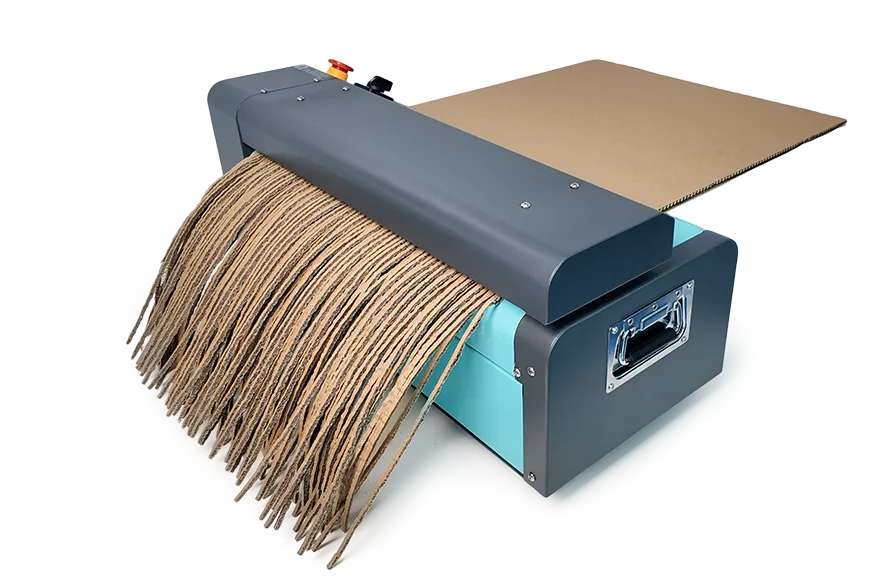
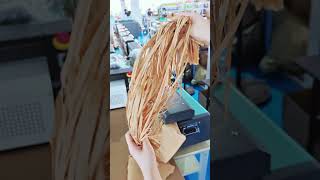
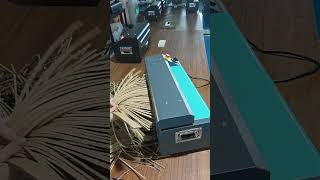
This strip-cut cardboard shredder turns waste boxes into neat paper strips you can use right at the packing bench. It takes up little space, runs quietly, and is simple to operate — a good fit for small packing stations, e-commerce corners, and busy warehouses. Cut strips on demand and stop paying for void fill. Low maintenance, and you reuse cardboard right where you are.
HS Code: 8472903000

Applications
Small and medium packing stations - Cut strips right by the bench, ready when you need them
E-commerce warehousing - Turn waste boxes into paper strip fill and save on consumables
Manufacturing plants - Basic protection for light components
Eco-friendly packaging companies - Replace plastic fill with recyclable cardboard
Small-batch shipping sellers - Small footprint, plug-and-play, low maintenance
Product Video
Specifications
| Product name | Cardboard Shredder |
|---|---|
| Cutting width | 350mm |
| Voltage/Power | 110V(400w) / 220V(400w) |
| Speed | 10m/min |
| Continuous working time | 8-10 hours |
| Cutting thickness | Max 10mm |
| Stops when drawer opens | Yes |
| Well-known brand gear motor | ZD brand |
| Net weight | (110v) 36.6kg / (220v) 34kg |
| Machine dimensions | 490*293*290mm |
| Suitable paper | 3-5 layers |
| Package dimensions | 600*400*380mm |
| Gross weight | (110v)38.8kg / (220v)36.2kg |
| Product name | Cardboard Shredder |
|---|---|
| Cutting width | 450mm |
| Voltage/Power | 110V(400w) / 220V(400w) |
| Speed | 10m/min |
| Continuous working time | 8-10 hours |
| Cutting thickness | Max 10mm |
| Stops when drawer opens | Yes |
| Well-known brand gear motor | ZD brand |
| Net weight | (110v) 42.6kg / (220v) 40kg |
| Machine dimensions | 593*293*290mm |
| Suitable paper | 3-5 layers |
| Package dimensions | 730*450*460mm |
| Gross weight | (110v)47.4kg / (220v)44.8kg |
| Product name | Cardboard Shredder |
|---|---|
| Cutting width | 550mm |
| Voltage/Power | 110V(400w) / 220V(400w) |
| Speed | 10m/min |
| Continuous working time | 8-10 hours |
| Cutting thickness | Max 10mm |
| Stops when drawer opens | Yes |
| Well-known brand gear motor | ZD brand |
| Net weight | (110v) 47.8kg / (220v) 45.2kg |
| Machine dimensions | 690*293*290mm |
| Suitable paper | 3-5 layers |
| Package dimensions | 850*450*470mm |
| Gross weight | (110v)53kg / (220v)50.4kg |
Strip-Cut Cardboard Shredder: A Practical Guide for Businesses
What Is a Strip-Cut Cardboard Shredder
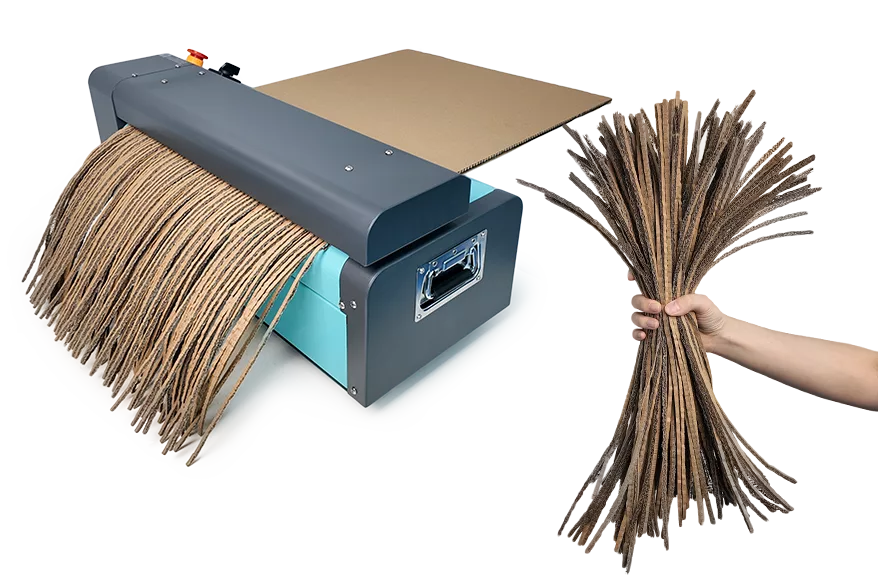
A strip-cut cardboard shredder cuts used corrugated boxes into long, narrow paper strips. You can use those strips directly as packaging material — to fill gaps, wrap products, or separate items inside a box.
It works differently from a perforating shredder. A perforating machine expands cardboard into a three-dimensional mesh; a strip-cut machine only makes straight cuts, so the output is clean, compact, and uniform in size.
Strip-cut machines are built for corrugated cardboard. Reinforced shafts, hardened blades, and controlled feeding let them handle material far thicker than office paper without jamming or overheating. For businesses with steady cardboard volume, they turn waste into a usable packaging resource.
Why Use Strip-Cut Cardboard for Packaging
Many packing stations care about speed, consistency, and ease of use — not maximum cushioning. In those cases, strip-cut cardboard is a simple and effective answer.
First, it reuses material. You do not have to keep buying packaging consumables; you make them from the cardboard your company already has. Over time, that lowers supplier dependence and makes packaging costs more stable.
Second, it fits into your existing process. Strips are made on demand, right next to the packing bench. Operators pull them from the machine and drop them straight into the box — no extra preparation.
Strip material is also versatile. You can layer it, fold it, or wrap products with it. For light or non-fragile goods, that protection is enough — and it keeps the packing process clean and efficient.
Finally, processing cardboard on site reduces waste volume. It frees up floor space and cuts the labor cost of flattening, stacking, and clearing away.

How a Strip-Cut Cardboard Shredder Works
Inside the machine, rotating shafts fitted with hardened blades contact the cardboard. The blades cut it into parallel strips of a fixed width. Every cut produces the same result.
It is a continuous mechanical process. Cardboard passes through at a steady speed, without tearing or over-compressing. Because it is cut rather than stretched, the cardboard keeps most of its original strength.
The finished strips come out ready to use. No fluffing, no second pass. Output speed keeps up with the packing rhythm, so the workflow stays smooth and uninterrupted.
Safety is covered too. An enclosed cutting area, emergency stop, and a stable feed system let it run safely even in a busy packing environment.
Typical Applications for Strip-Cut Cardboard
Strip-cut cardboard shows up in all kinds of packing situations, especially where you need to control material position and want predictable performance.
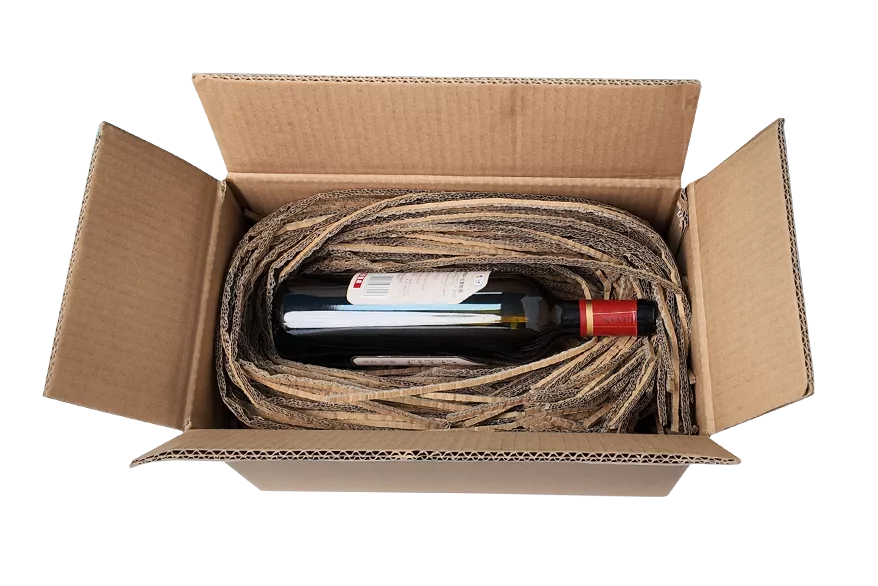
Light goods void fill: Put strips in the box to stop products from shifting. The material is dense, so it suits standard box sizes and repeatable packing methods.
Product wrapping: Strips wrap around items to protect surfaces from scuffing, or to keep them from touching other products in the same box. Good for items with a finished surface that only need basic protection.
In-box separation: Place strips between multiple items to keep spacing and reduce rubbing during handling and transport.
Box lining: Strips line the box to add structure and stability while improving the look inside.
Strip Cut vs Perforation: What Is the Difference
Both machines turn waste boxes into packaging material, but the output serves different purposes.
A strip-cut machine produces long strips with high density and strength that are easy to control — good for wrapping, separating, and basic void fill.
A perforating machine cuts patterns into the cardboard so it can stretch and expand into a three-dimensional structure. The output is thicker and absorbs impact better, so it is usually used for fragile or irregularly shaped products.
Which one to pick depends on your packaging needs, not just on throughput. Businesses shipping light goods on high-speed packing lines are better served by strip cutting. Operations handling fragile items may need perforation instead.
Cardboard Compatibility and Preparation
Not all cardboard behaves the same in a strip-cut machine. Most machines handle standard corrugated cardboard, including single-wall and some double-wall.
Clean, dry cardboard cuts best. Material that is too wet, heavily contaminated, or laminated hurts cutting performance and wears the blades faster.
Light tape and labels are fine, but staples, metal inserts, and reinforcing materials must be removed first. Proper preparation keeps output consistent and extends machine life.
Key Factors When Choosing a Strip-Cut Shredder
Start with your day-to-day operation.
Throughput: Small stations with limited daily output do well with a compact tabletop machine. Larger businesses with continuous packaging needs may want a floor-standing, high-capacity model.
Feed width and cardboard thickness: Match these to the largest boxes you commonly use. A machine that handles standard boxes without excessive pre-cutting is more efficient.
Cut width and output consistency: Uniform strips make packing more predictable and faster, especially in standardized processes.
Workspace layout: Strip-cut machines usually sit next to the packing bench. Footprint, noise level, and ease of operation all need to match the work environment.
Maintainability and ease of use: Machines with simple designs and easy access to cutting parts reduce downtime and training needs.
Want to learn more? Contact us.
FAQ
Which cardboard can be shredded?
Can a regular paper shredder shred cardboard?
What materials should never be shredded?
What are shredded cardboard strips used for?
What features matter when choosing a shredder?
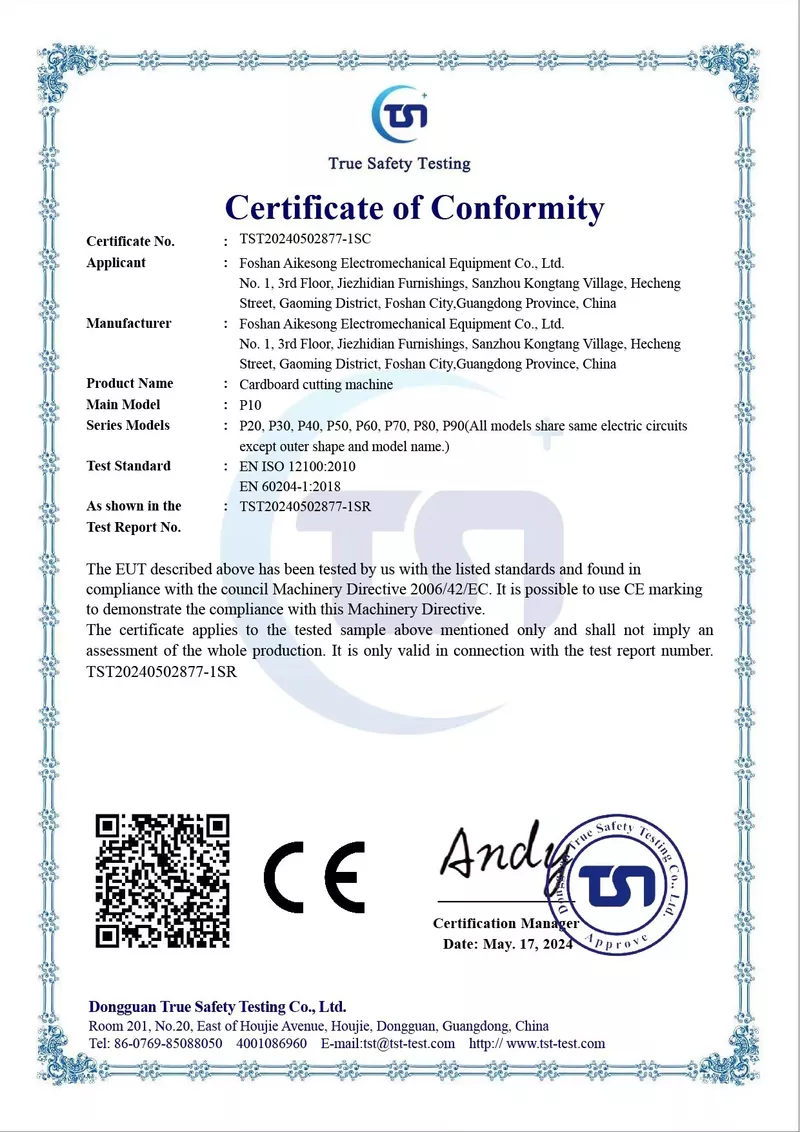
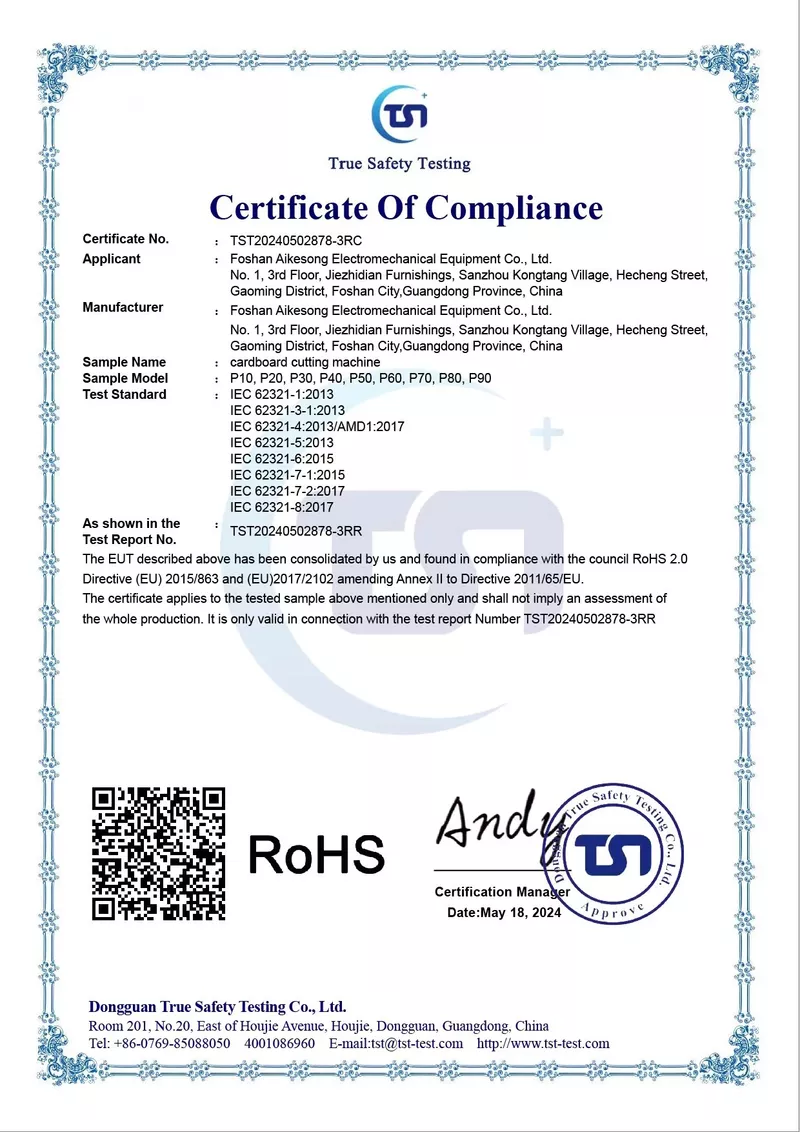
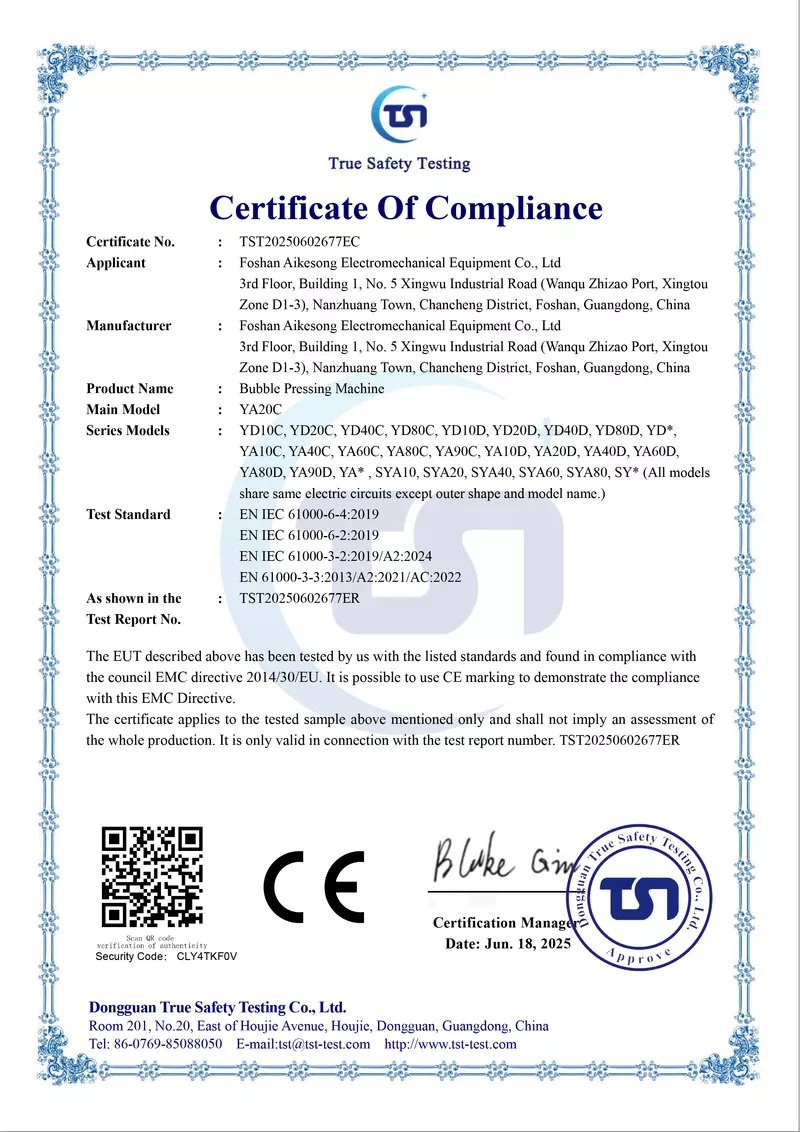
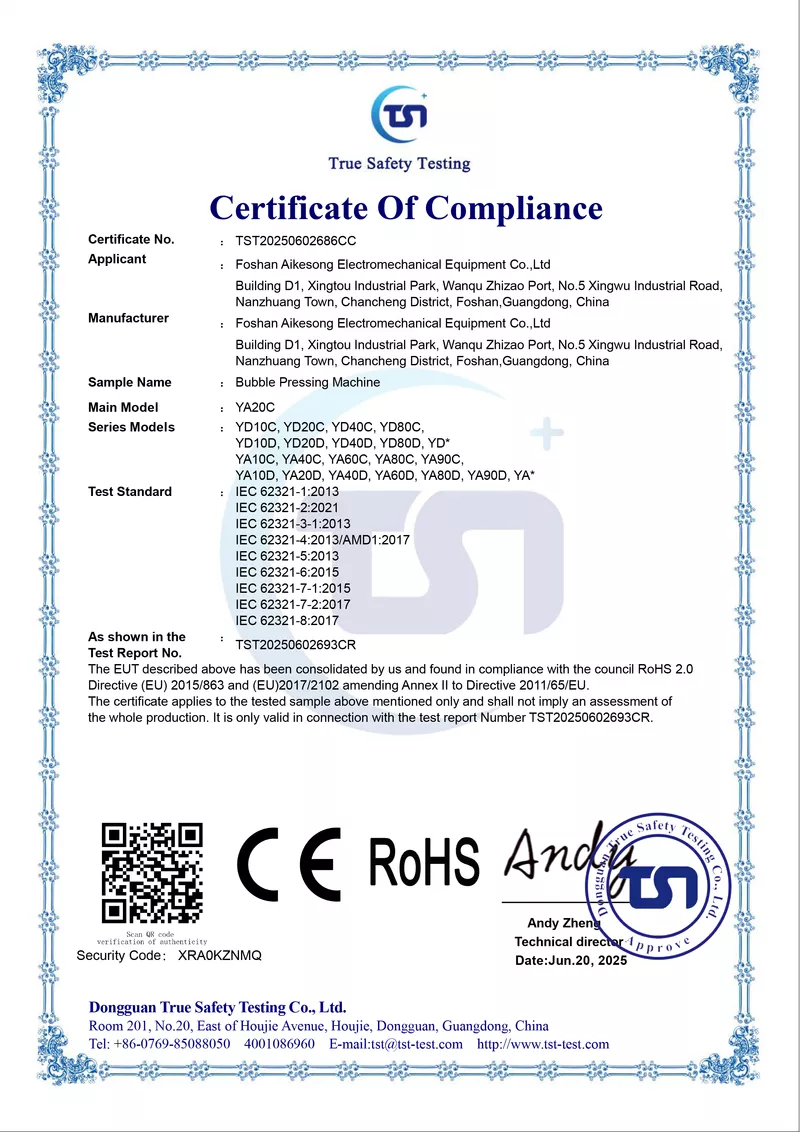
Are there regulatory or compliance considerations?
Does it need special installation?
How much space is needed?
Can it fully replace purchased void fill?
Is the output size or structure adjustable?
What daily maintenance is required?
Can printed boxes be processed?
Is it noisy during operation?
Is it suitable for continuous operation?
Can you help recommend a model?
Related Products

Related Videos
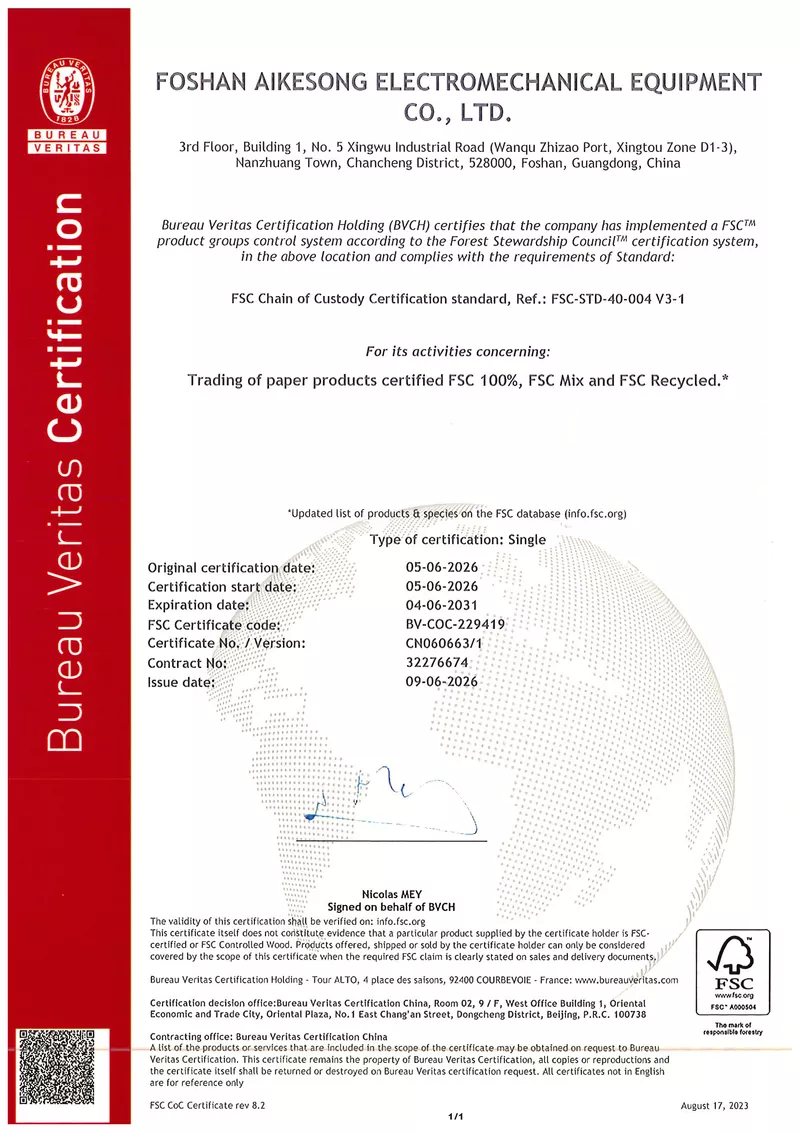
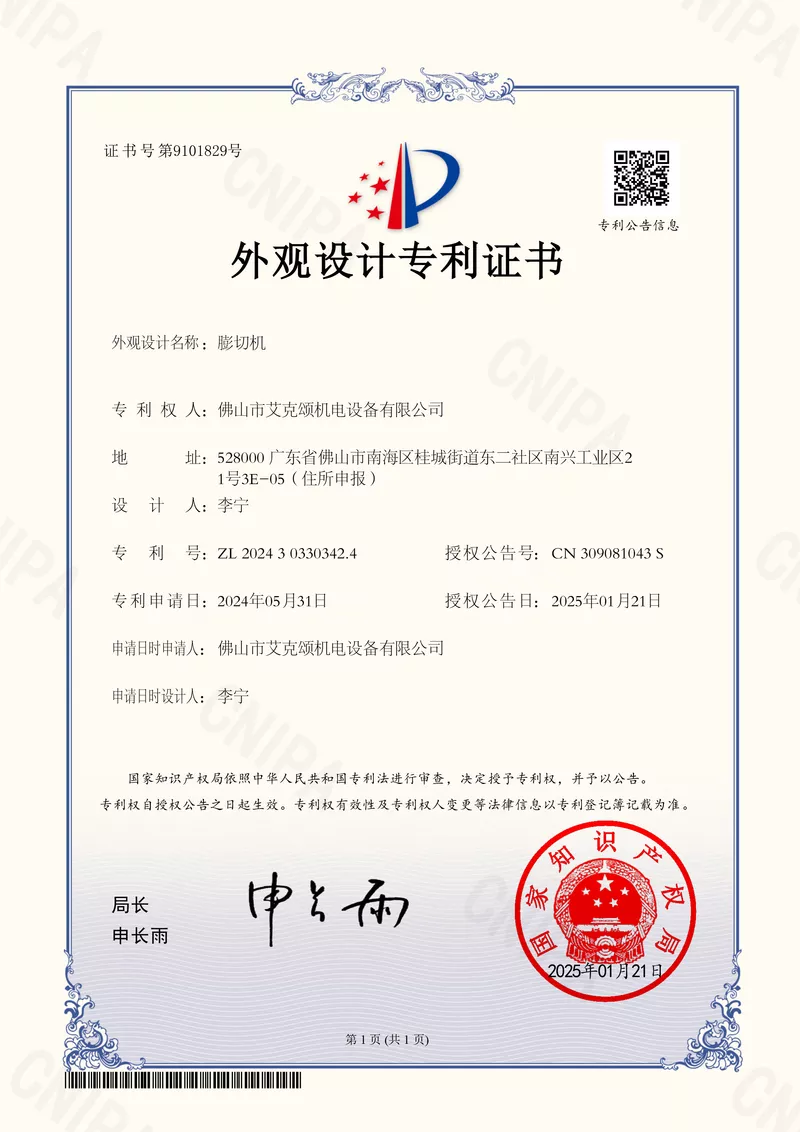
Certifications


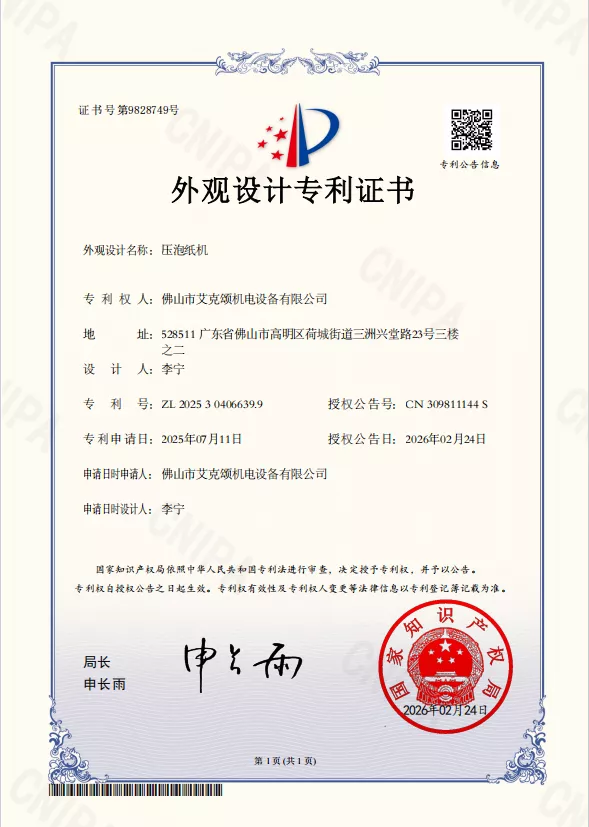
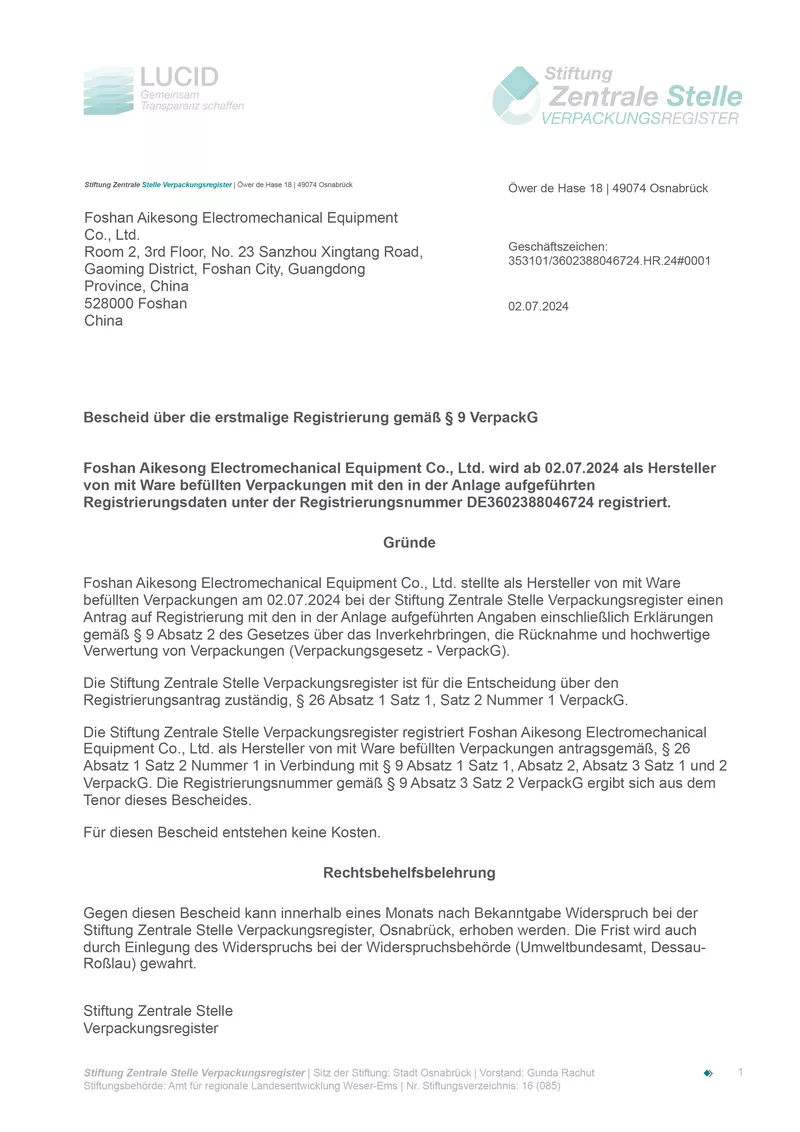
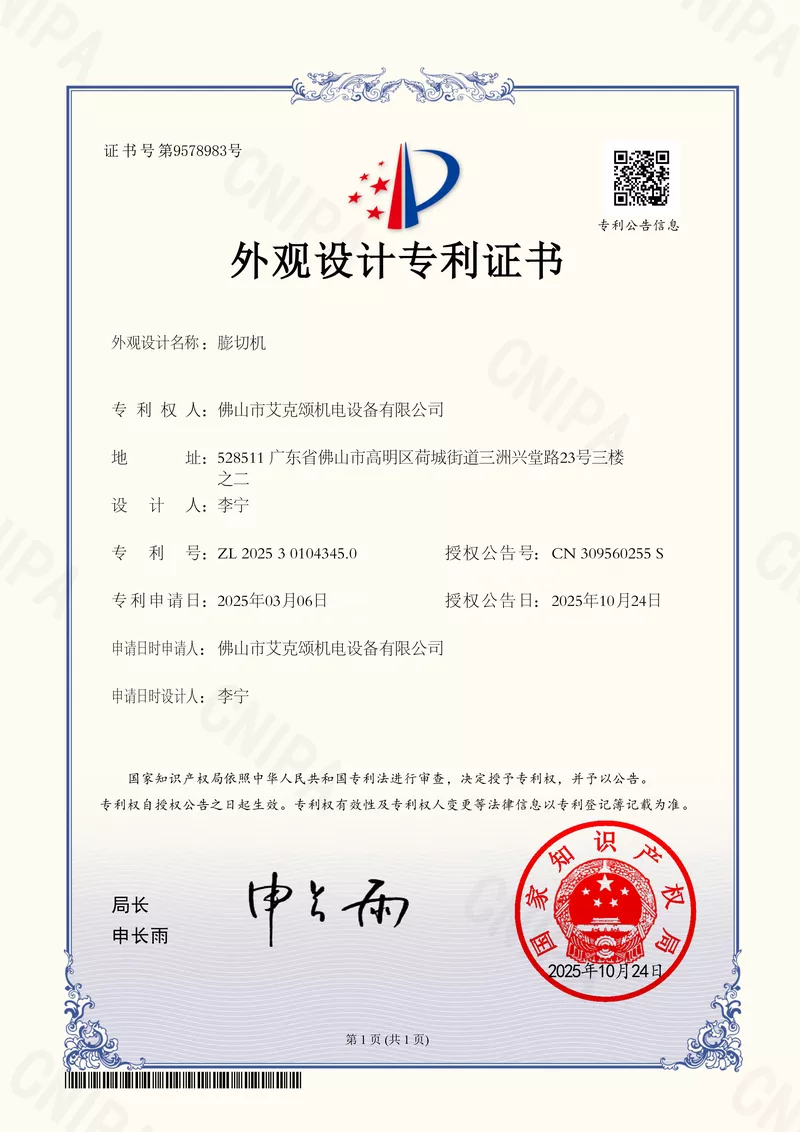
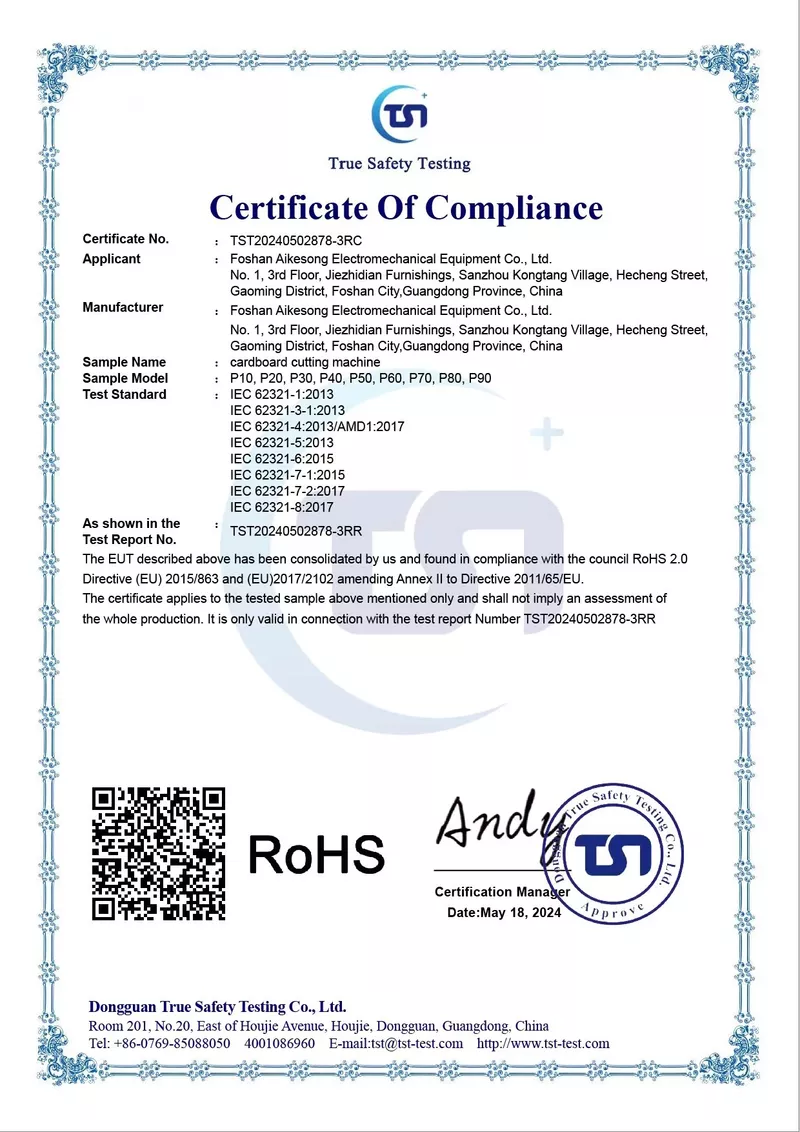
Redefine Packaging Efficiency
Start with every machine