Desktop Cardboard Shredder
Product Overview
Turn waste cardboard boxes into cushioning filler right at the packing table. The desktop cardboard shredder takes up little space, runs quietly, and works as soon as you plug it in — ideal for small packing stations, e-commerce work areas, and light warehouses. Stop buying filler material: process the boxes you generate every day on site, keep the packing flow uninterrupted, and turn waste into a resource. If you want to cut waste and lower packaging material costs, this is a simple, direct in-house recycling solution.
HS Code: 8472903000

Applications
E-commerce warehousing - process waste boxes on site into cushioning filler
Logistics consolidation center - quickly handle discarded boxes
Small and medium factories - paper cushioning for parts
Eco-friendly packaging companies - replace plastic with recyclable cardboard
Small-batch shipping sellers - small footprint, plug-and-play
Product Video
Specifications
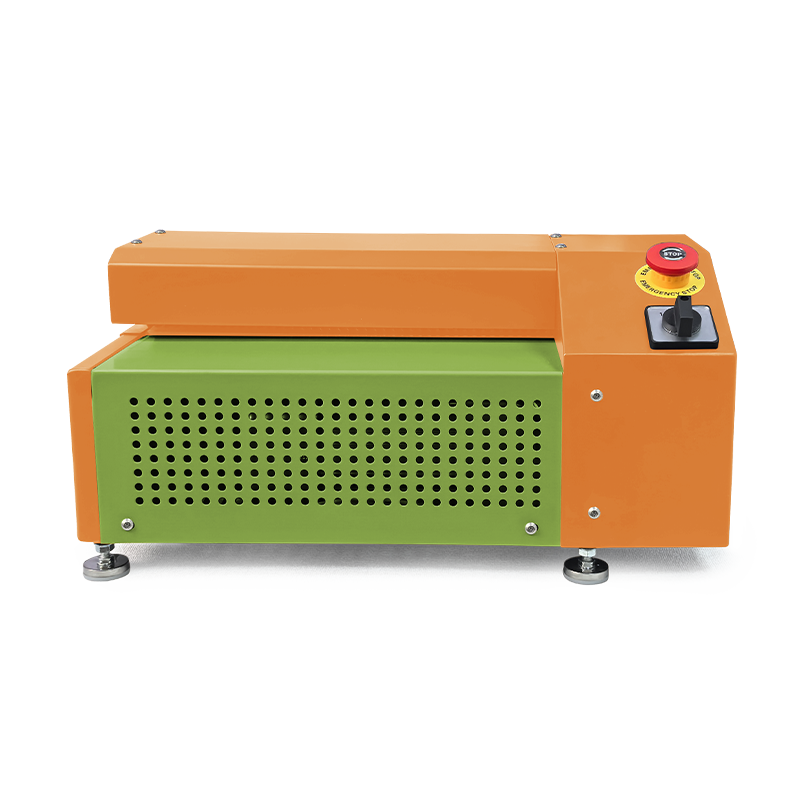
| Product Name | Cardboard Shredder |
|---|---|
| Cutting Width | 350mm |
| Voltage/Power | 110V(200w) / 220V(200w) |
| Speed | 3m/min |
| Cutting Thickness | Max 10mm |
| Stops When Drawer Opens | Yes |
| Well-Known Brand Geared Motor | Yes |
| Net Weight | (110v)31.6kg / (220v) 29kg |
| Machine Dimensions | 491*283*233mm |
| Applicable Paper | 3-5 layers |
| Packaging Dimensions | 630*430*380mm |
| Gross Weight | (110v)35kg / (220v)32.4kg |
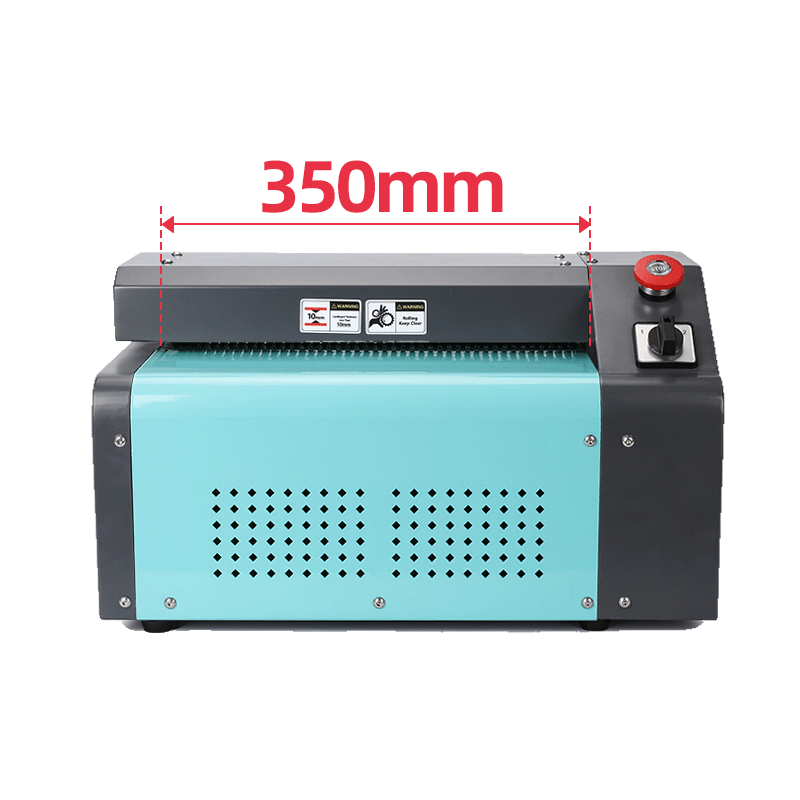
| Product Name | Cardboard Shredder |
|---|---|
| Cutting Width | 350mm |
| Voltage/Power | 110V(400w) / 220V(400w) |
| Speed | 10m/min |
| Continuous Working Time | 8-10 hours |
| Cutting Thickness | Max 10mm |
| Stops When Drawer Opens | Yes |
| Well-Known Brand Geared Motor | ZD brand |
| Net Weight | (110v) 36.6kg / (220v) 34kg |
| Machine Dimensions | 490*293*290mm |
| Applicable Paper | 3-5 layers |
| Packaging Dimensions | 600*400*380mm |
| Gross Weight | (110v)38.8kg / (220v)36.2kg |
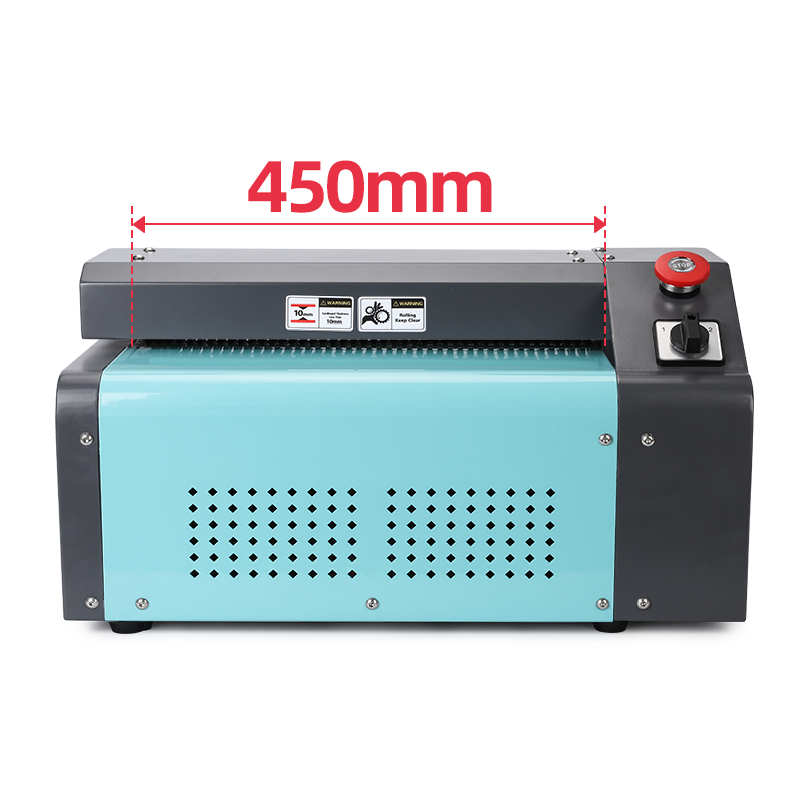
| Product Name | Cardboard Shredder |
|---|---|
| Cutting Width | 450mm |
| Voltage/Power | 110V(400w) / 220V(400w) |
| Speed | 10m/min |
| Continuous Working Time | 8-10 hours |
| Cutting Thickness | Max 10mm |
| Stops When Drawer Opens | Yes |
| Well-Known Brand Geared Motor | ZD brand |
| Net Weight | (110v) 42.6kg / (220v) 40kg |
| Machine Dimensions | 593*293*290mm |
| Applicable Paper | 3-5 layers |
| Packaging Dimensions | 730*450*460mm |
| Gross Weight | (110v)47.4kg / (220v)44.8kg |
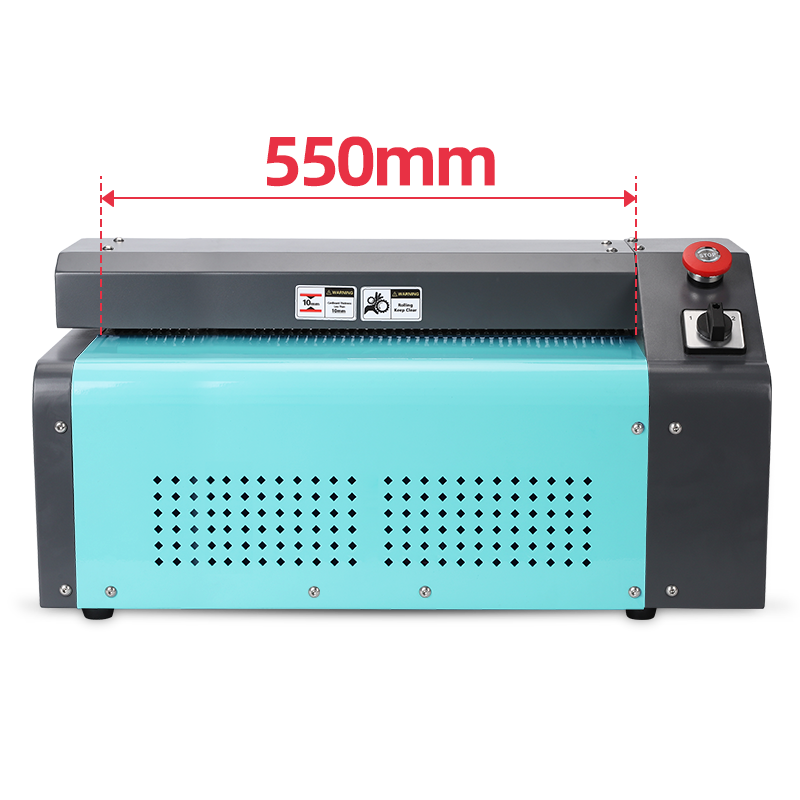
| Product Name | Cardboard Shredder |
|---|---|
| Cutting Width | 550mm |
| Voltage/Power | 110V(400w) / 220V(400w) |
| Speed | 10m/min |
| Continuous Working Time | 8-10 hours |
| Cutting Thickness | Max 10mm |
| Stops When Drawer Opens | Yes |
| Well-Known Brand Geared Motor | ZD brand |
| Net Weight | (110v) 47.8kg / (220v) 45.2kg |
| Machine Dimensions | 690*293*290mm |
| Applicable Paper | 3-5 layers |
| Packaging Dimensions | 850*450*470mm |
| Gross Weight | (110v)53kg / (220v)50.4kg |
Cardboard Shredder: A Practical Guide for Businesses
What Is a Cardboard Shredder
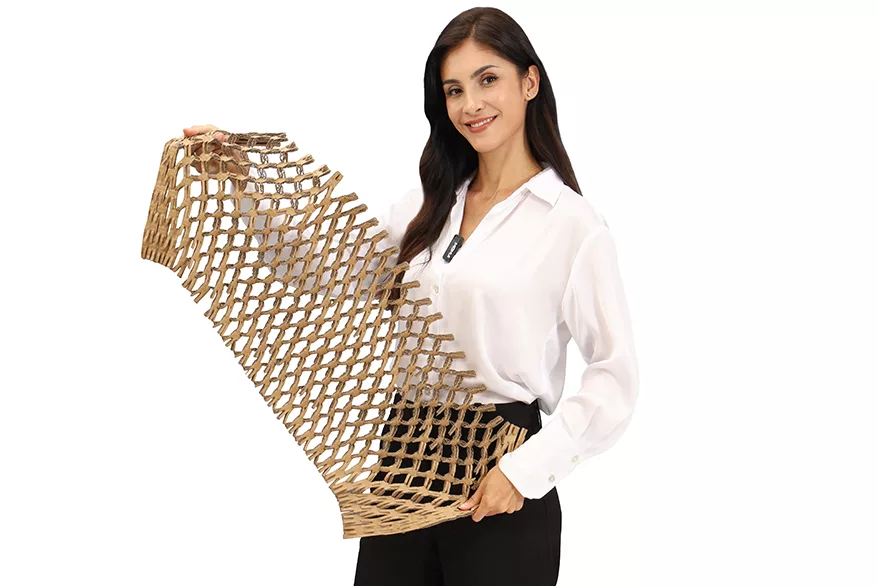
A cardboard shredder is equipment that turns used corrugated boxes into cushioning packaging material. In the past, used boxes could only be flattened, stacked, and waited for the recycling truck. Now, right at the packing station, they can become filler, cushioning pads, or wrapping material, and ship out together with the goods.
It is completely different from an office paper shredder. Corrugated cardboard is thicker and harder, and ordinary paper shredders simply cannot handle it. Cardboard shredders use reinforced cutter shafts, hardened blades, and high-torque motors to cut, perforate, or expand cardboard without jamming or overheating. The processed cardboard keeps its strength while being flexible enough to fit neatly into boxes.
For businesses that use boxes every day, the value of a shredder is direct: the material is already there, no need to buy more, and waste becomes a usable resource instead of a cost burden.
Why the Packing Area Needs a Cardboard Shredder
Cardboard is one of the most used materials in logistics, warehousing, and e-commerce. Boxes are fine for transport and storage, but disposal after use has always been a hassle. Handling fees, labor, stacking space, and reliance on external recycling all nibble away at profit.
Waste cardboard disposal is already a hard cost in many countries. Many countries prohibit discarding waste cardboard at will, with heavy fines for improper disposal. Businesses must either pay for on-site recycling pickup or deliver it to designated collection points themselves, bearing shipping and labor costs with no corresponding payment. The more boxes, the bigger this hidden expense.
A shredder brings this back in-house. Cardboard is processed internally, so less waste needs to go out. Many boxes that used to be flattened, stacked, waited for pickup, and even paid for disposal can now be reused as packaging material on the spot. That money, which used to flow out, is saved directly.
Plastic bans are spreading worldwide. On August 12, 2026, the core provisions of the EU Packaging and Packaging Waste Regulation (PPWR, Regulation (EU) 2025/40) fully entered into force. The old Packaging and Packaging Waste Directive (94/62/EC), in use for nearly 30 years with inconsistent enforcement across countries, was officially repealed. The EU has fully banned plastic products, and more and more countries are adopting and implementing plastic bans. For businesses still using large amounts of plastic filler, switching to paper-based cushioning is no longer a question of whether, but when.
The cost math is clear too. Paper filler, air cushions, and foam consumables no longer need to be bought again and again — just produce on demand from existing cardboard. Over time, both packaging costs and waste disposal costs come down.
Efficiency matters just as much. The machine sits right by the packing table, so operators can grab filler as needed without stopping to wait for materials or setting aside space for bulky consumables. The whole packing flow runs much smoother.
Environmental benefits come along too. Cardboard circulates internally, waste is reduced, and it aligns better with sustainable packaging — without major changes to existing processes. For many businesses, a cardboard shredder is a balanced solution that considers cost, efficiency, and material utilization.
How a Corrugated Cardboard Shredder Works
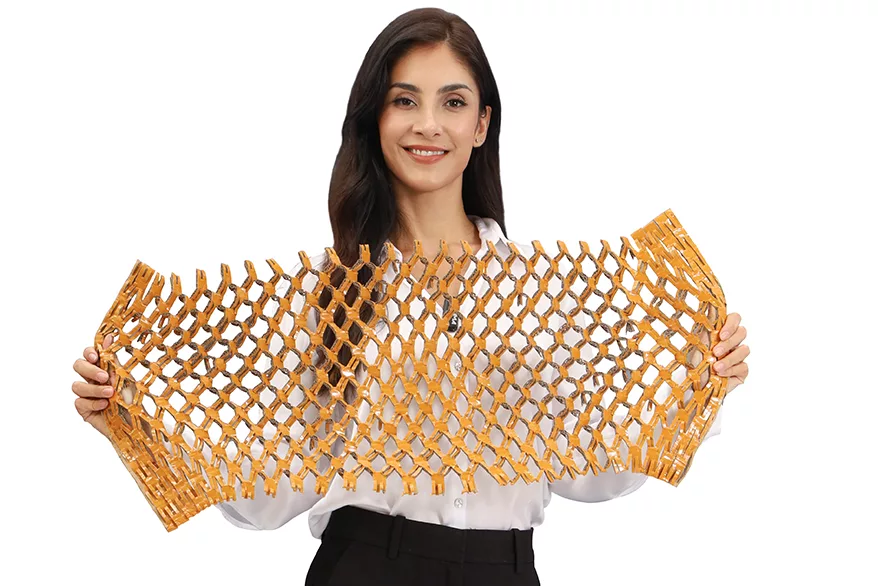
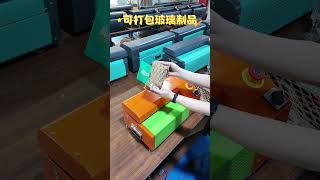
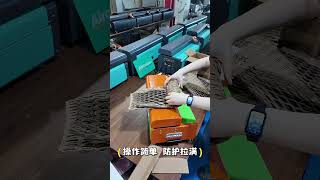
Inside the machine, rotating shafts fitted with blades contact the cardboard. The blades cut a regular pattern into the cardboard, letting the material stretch and expand into a three-dimensional structure that absorbs impact and fills voids in the box.
The processed cardboard comes out ready to use, with no secondary handling. The whole process is continuous mechanical work, with packaging material generated on demand, matching the packing rhythm — no need to pre-produce a large stockpile.
Safety is considered too. Emergency stop buttons, enclosed cutting areas, and controlled feeding mechanisms let the machine run stably and safely even in a busy packing environment.
The cutting blade is the real heart of a cardboard shredder
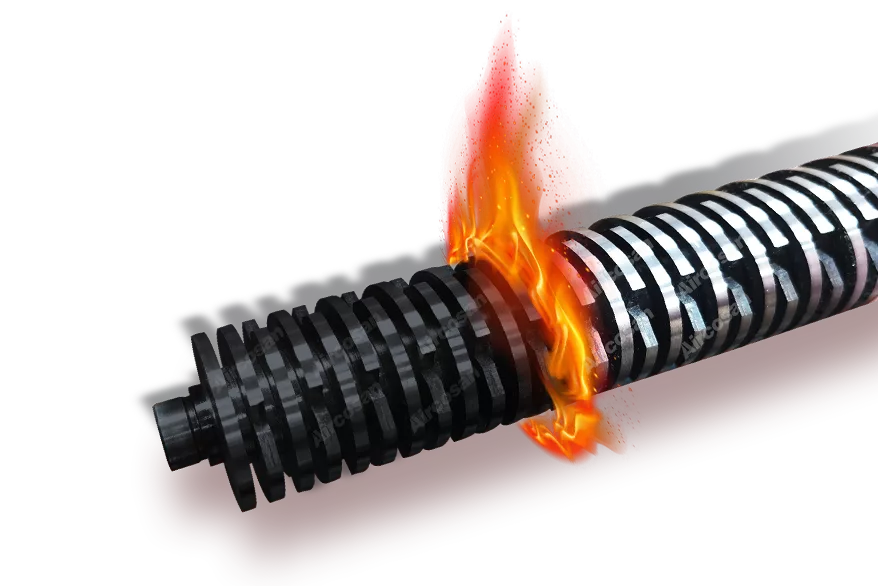
When most buyers shop for a cardboard shredder, the first things they notice are price and looks. But what really determines how thick it can cut, how wide it can cut, and how long it will last is the cutting blade. If the cutting blade isn’t up to the job, a cheap machine is no bargain. It will chip or warp on thick cardboard, break down often, and need frequent repairs. When you add it all up, it ends up costing you more.
Aircosan's cutting blade isn't the thin, flimsy little blade you'll find on many machines. It's a large, thick, one-piece cutting blade. From design and materials to machining, every step is built for reliable, long-term operation.
A Thicker, Wider Cutting Blade — With About 30% Higher Cost Than Competitors. Aircosan’s cutting blade uses a more challenging widened and thickened design with more material, making it about 30% more expensive to produce than competitors’. The result: at widths of 450mm and 550mm, it still reliably cuts 10mm thick cardboard. Some suppliers use thinner blades that easily warp or even chip once the cutting thickness goes beyond 7mm. At the same 550mm width, that’s the difference between being able to cut thick cardboard or not.
Made from 40Cr, Not Ordinary 45# Steel. Most competitors use 45# steel cutting blades. Both 45# and 40Cr need hardening to reach the required hardness. But 40Cr is less brittle and has better impact resistance, and it takes more than twice the machining time of 45#. That raises the production cost, but it completely solves the problem of blade chipping. For businesses that cut cardboard every day, reliability matters more than anything.
Designed for 5+ Years of Service, with Multiple Complex Processes. Aircosan’s cutting blade is designed for a service life of 5+ years and goes through multiple processes, including lathe machining, high-frequency treatment, quenching, and blackening. Each process affects the blade’s hardness, toughness, and wear resistance. The complex processes naturally cost more, but the blade is more durable, the machine runs more reliably over the long term, and maintenance and downtime costs are lower.
Side Panels Fit Tightly — No Room for Paper Scraps. Aircosan’s machines have side panels that fit tightly with no gaps, so paper scraps can’t get into the gears. This keeps the machine in good working condition over the long term. Some machines on the market have gaps near the gears, making it easy for burrs and paper scraps to get in. This causes abnormal noise and, over time, wears down the internal structure.
Brushless Motor from a Publicly Listed Brand + Overload Protection. The machine uses a brushless motor from a publicly listed brand. It delivers plenty of power, so thick and hard cardboard feeds smoothly without jamming at the inlet due to lack of power. It also has overload protection: if a paper jam occurs, the machine automatically cuts power and stops to protect the motor. Many machines on the market lack overload protection. When a jam happens, the cutting blade stops but the motor keeps running, which can burn out the motor or cause it to overheat.
Different Types and Models: How to Choose
Cardboard shredders come in different configurations for different job needs and outputs. Before choosing, figure out how many boxes you handle daily, the common box size, and cardboard thickness.
Desktop models: designed for small packing stations, e-commerce studios, and low-output environments. Small, easy to install, and running on standard power. Businesses with limited daily box counts that want to reduce waste and packaging costs will find these suitable. Aircosan desktop models include PC10, P10, P20, P30, and more, with cutting widths from 350mm to 550mm.
Industrial Model: Built for Higher Throughput A wider feed opening and a stronger cutting system let it continuously handle larger, thicker cardboard boxes. This is the type typically used in warehouses, distribution centers, and manufacturing plants—places with steady, predictable packaging volumes. Aircosan’s industrial model cutting blade can be made up to 1200mm long, making it ideal for large cardboard boxes and high-throughput applications.
Some models are optimized for specific needs For example, producing strips for void fill, or mesh-like material for wrapping. Others can slit lengthwise to match the packaging of a single product. Operators can choose the right model based on different packaging needs.
Same 550mm Cutting Width: How to Choose P30, P50, P80
Aircosan has three machines with 550mm cutting width, but they are positioned completely differently. Which one to choose mainly depends on daily shredding volume, cardboard thickness, and working method.
P30 (desktop): cutting speed 10 m/min, cutting thickness within 10mm. A single sheet of 7-layer cardboard on the market is about 9mm or less, and P30 cuts it easily; at the thinnest, it can cut a single sheet of A4 paper. It suits small and medium customers whose daily shredding volume is not very large, placed next to the packing table, cutting as needed, with small footprint and low noise.
P50 (floor-standing industrial): cutting speed 18 m/min, supports variable frequency speed control, and can cut cardboard within 15mm thickness. Suits medium and large customers and is the first choice for those who need to cut large amounts of cardboard daily. Faster speed, higher capacity, suitable for continuous operation. If the packing line never stops and daily box volume is large, P50 is more suitable.
P80 (floor-standing industrial): cutting speed 15 m/min, supports variable frequency speed control, and cutting thickness 20mm. One big advantage: 2 sheets of cardboard on the market do not need to be separated into single sheets and can be fed directly into the shredder, making work more efficient. Suits scenarios with thick cardboard, large batches, and high-intensity work. If you often handle thick cardboard and do not want to spend time separating sheets, P80 is the more convenient choice.
All three machines support cutting a single sheet of A4 paper and kraft paper at the thinnest. To sum up: for low daily volume and limited space, choose the P30 desktop model; for cutting large amounts of cardboard daily, choose P50; for often handling thick cardboard without separating sheets, choose P80.
Cardboard Compatibility and Output Uses
Not all cardboard is the same, and compatibility is an unavoidable issue when using a shredder. Most machines can handle standard corrugated cardboard, including single-wall and some double-wall. Cardboard thickness, material, and moisture content all affect machine performance.
Clean, dry cardboard works best, expanding evenly and keeping structural strength after cutting or perforating. Heavily contaminated, damp, or laminated cardboard is not very suitable for processing.
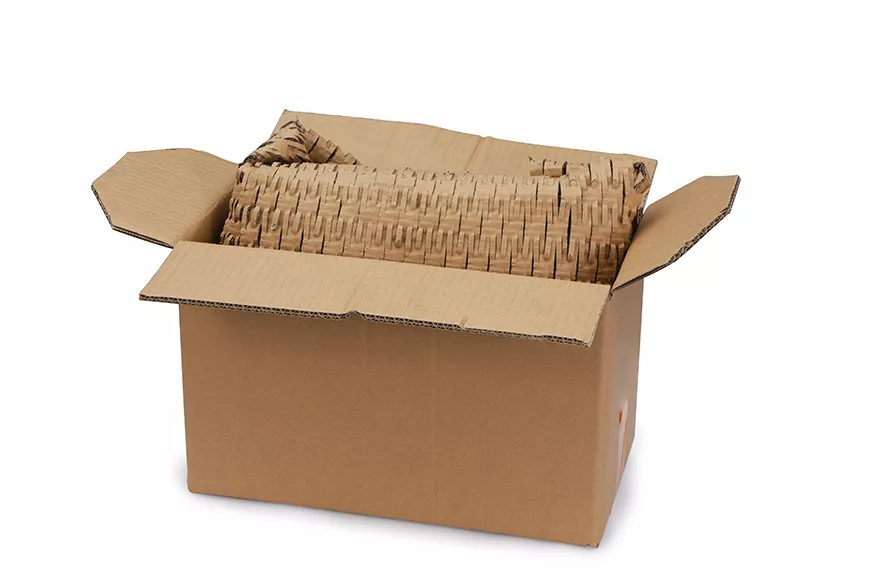
The processed material has wide uses. Expanded cardboard is generally used as filler to prevent items from shifting during transport; strip cardboard can wrap products or be placed between items as separation.
How to Choose the Right One
The first step in choosing a machine is to figure out how many boxes you handle daily. For small-scale work, a small machine may be enough; for high output and non-stop packing lines, a sturdier floor-standing model that runs continuously is needed.
Feed width and maximum cardboard thickness also need to be considered. The machine must handle your largest common box without repeated pre-cutting or manual preparation.
Workspace layout matters too. Desktop machines sit next to the packing table, while large equipment needs dedicated floor space. Noise, power, and maintenance convenience also affect the final choice.
Finally, consider how you plan to use the finished material. For mainly filling gaps, perforating and expanding may be more important; for mainly wrapping or separating, strip cutting may be preferred. Once needs are clear, the model is easy to decide.
Ready to find the right cardboard shredder for your operation? Contact us, tell us about your packaging needs, and we will help you find the right model.
Why Choose Aircosan
Choosing a shredder is not just choosing a piece of equipment, but choosing a supplier for long-term cooperation. Aircosan has been deeply engaged in sustainable packaging equipment for years, with a complete system from R&D to production to after-sales.
Source factory, quality under our own control. We have our own parts processing factory, controlling the quality of every machine part ourselves to ensure overall stability. Many sellers on the market only buy parts from outside and assemble them, with mixed part sources, uneven quality, and no guarantee of machine stability.
Low MOQ customization, low barrier. Supports logo customization from 1 piece, and color customization from 10 pieces. For distributors and brand owners who want to build their own brand without holding large inventory, this is very practical.
Fast after-sales response, direct contact with engineers. For any problem, the online after-sales team responds within 12 hours and can connect you directly with our engineers. No need to go through salespeople relaying messages, so problems are solved more directly and quickly, reducing downtime.
Professional customer management system. We have a professional customer management system containing all your order information. If the salesperson does not reply in time, you can ask anyone in our company to help solve the problem — you will never be unable to find someone.
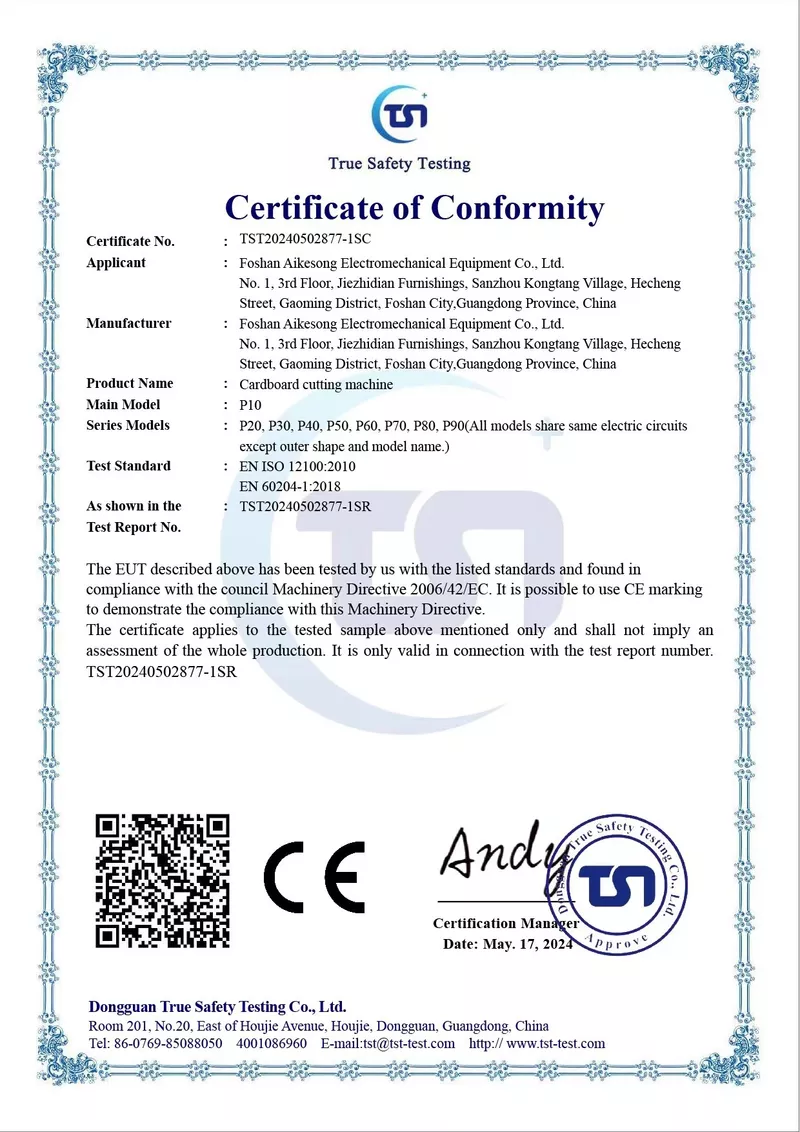
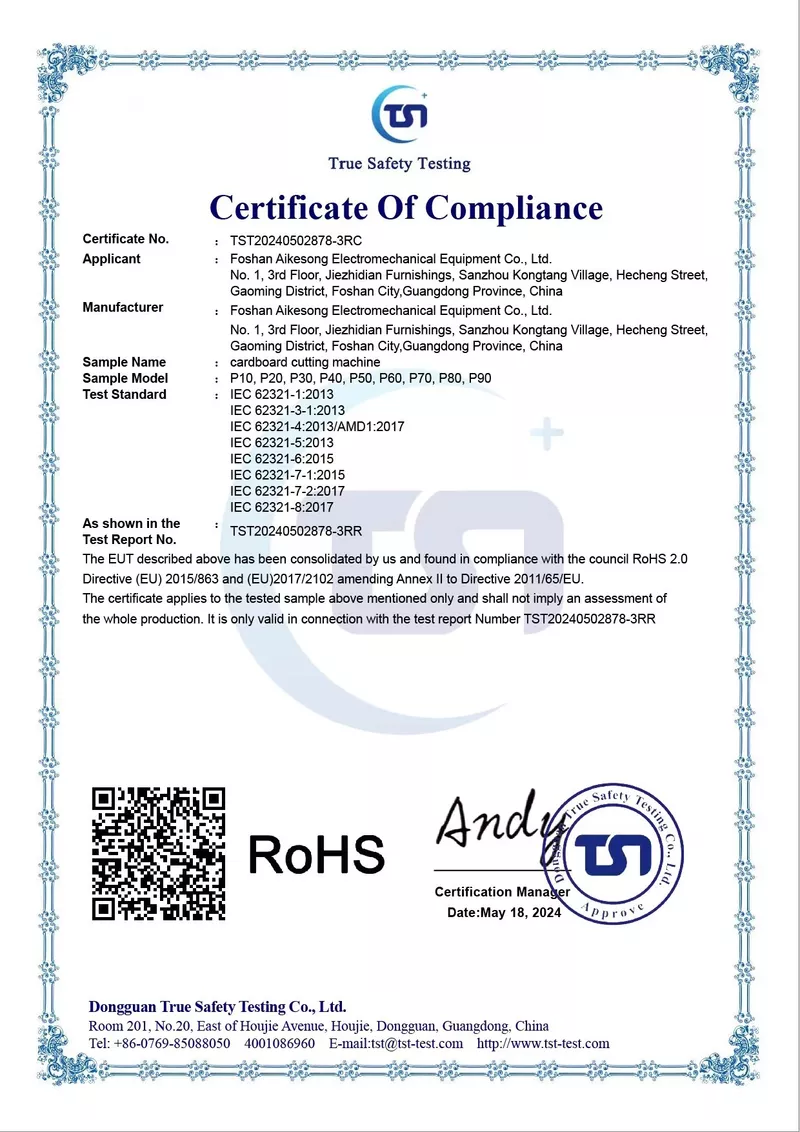
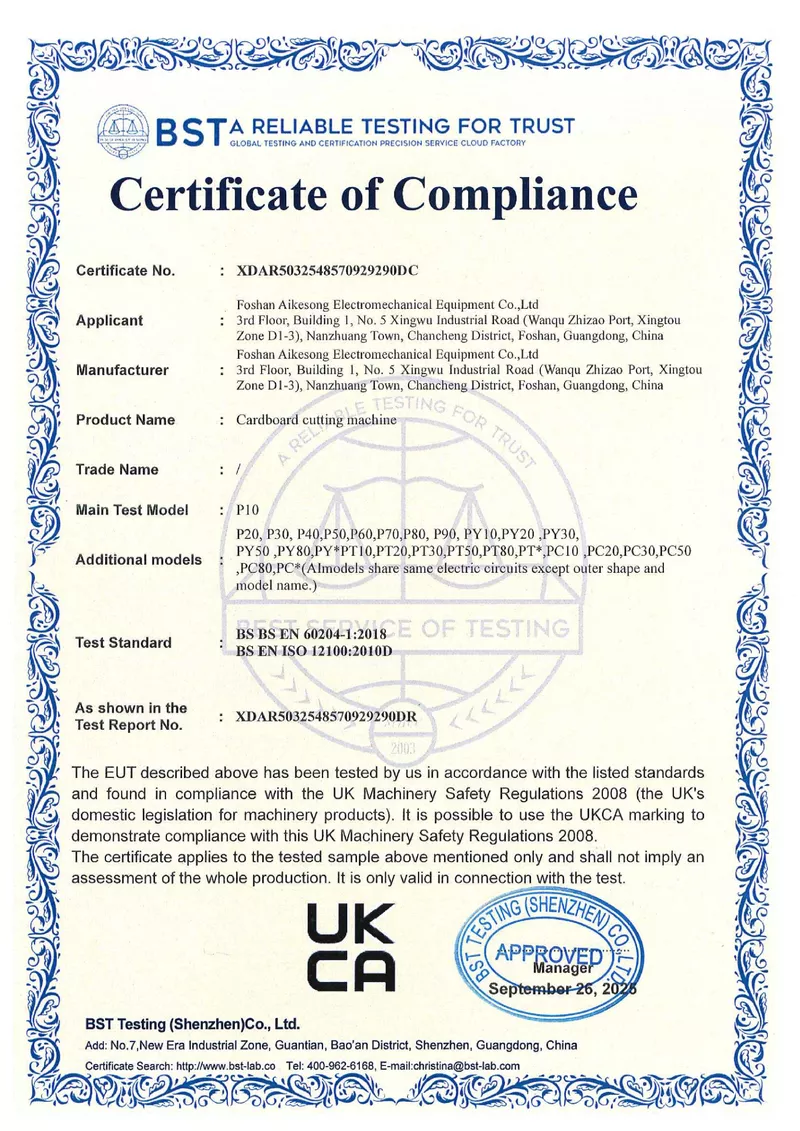
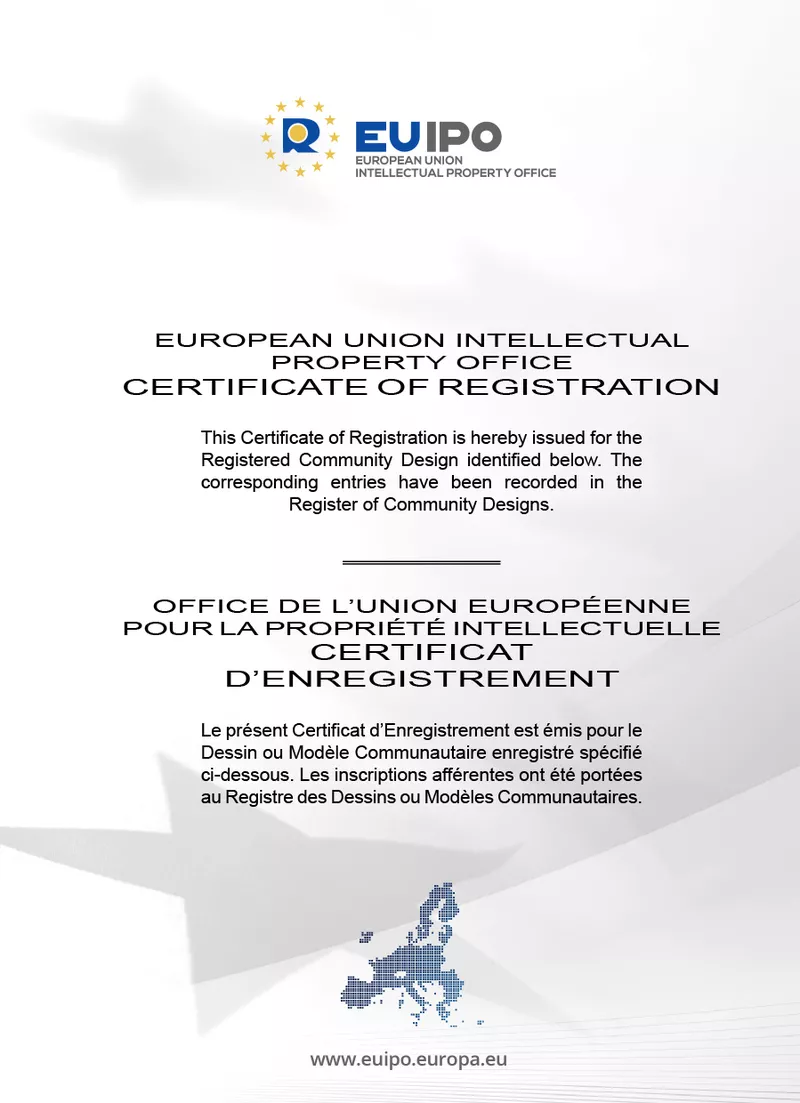
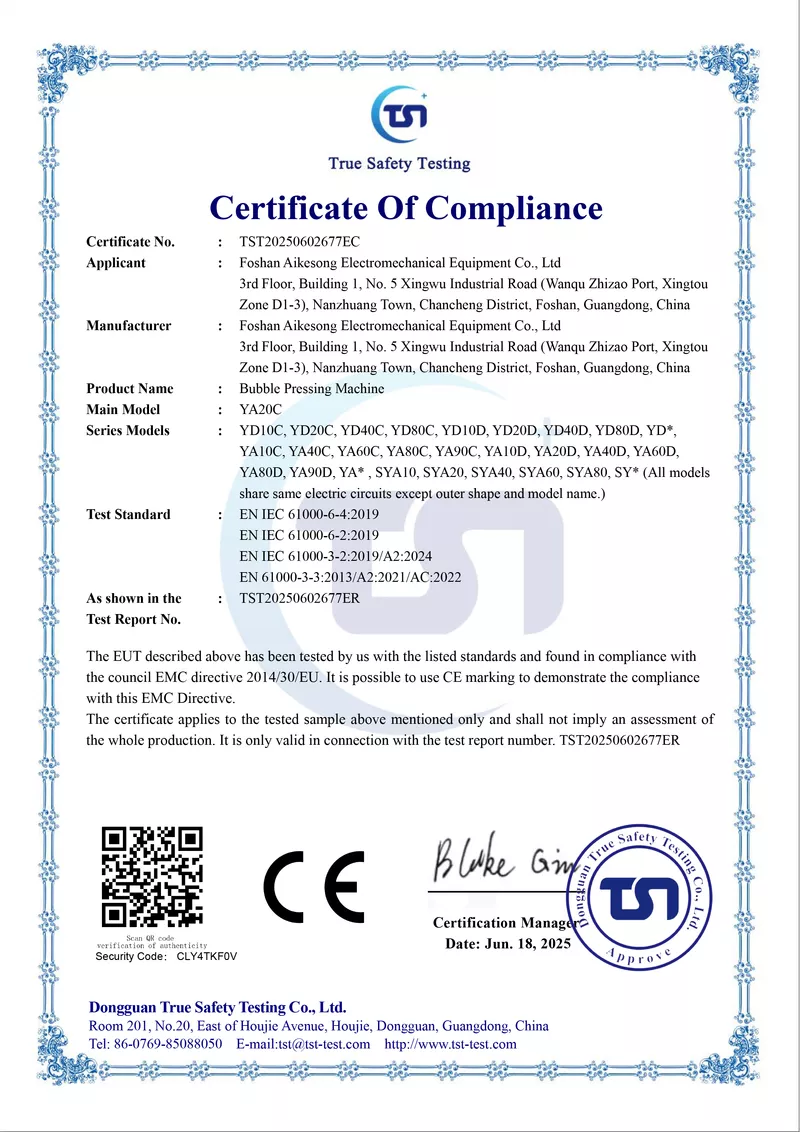
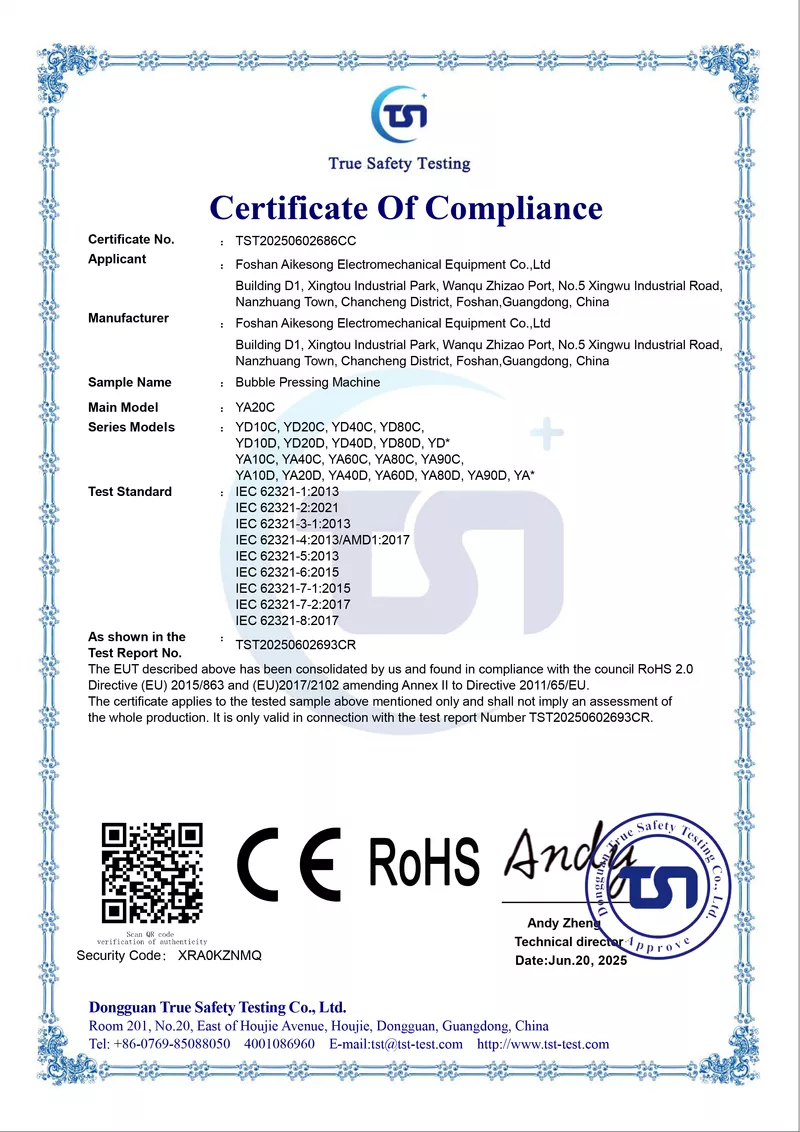
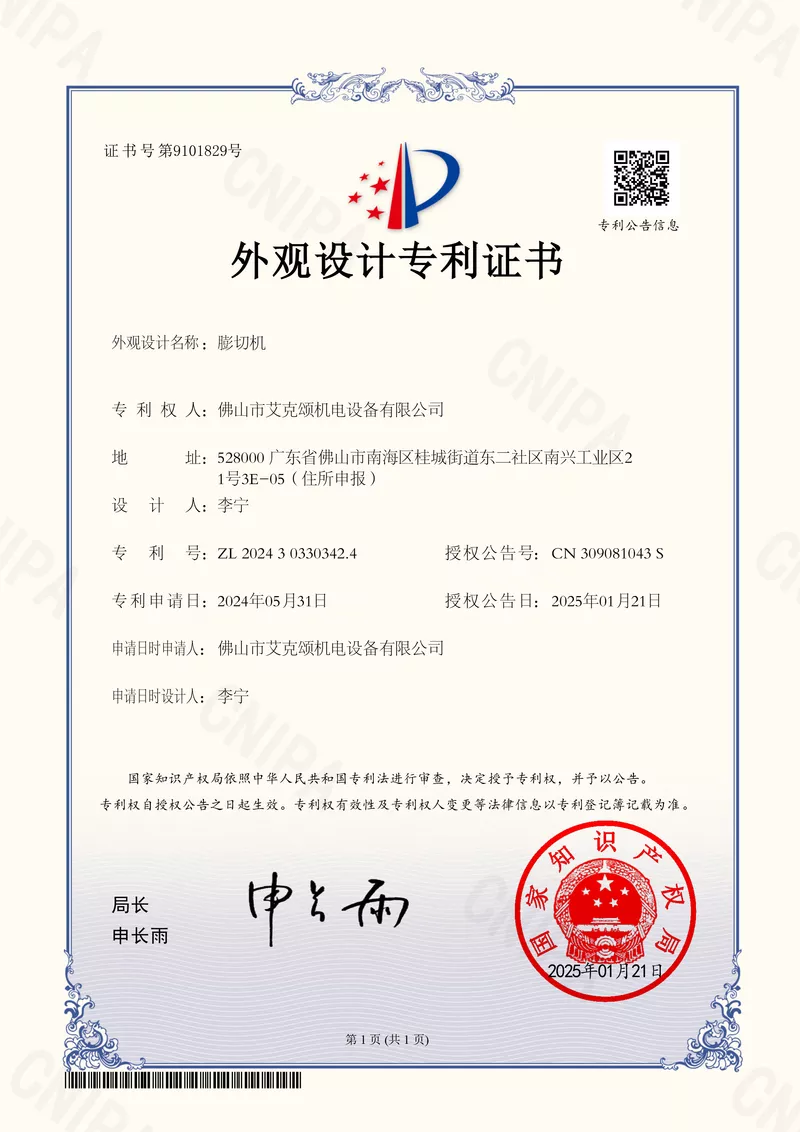
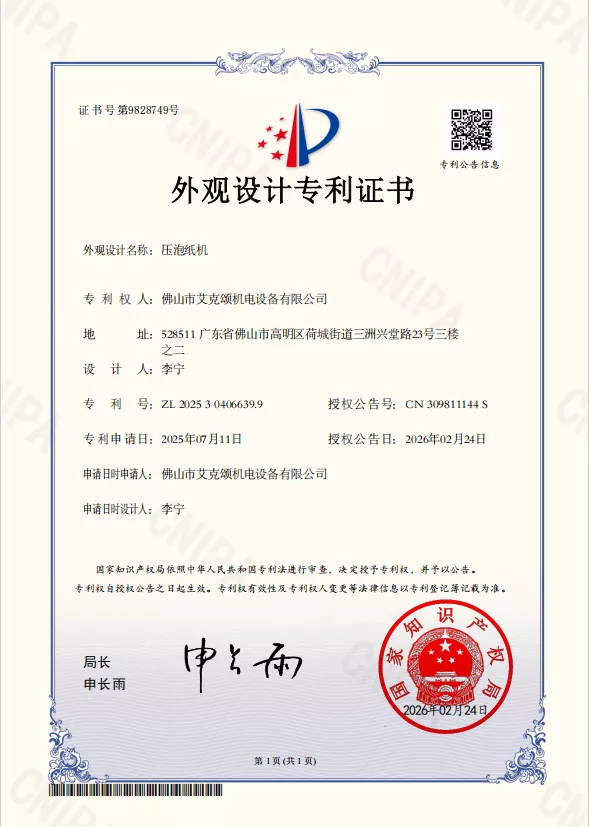
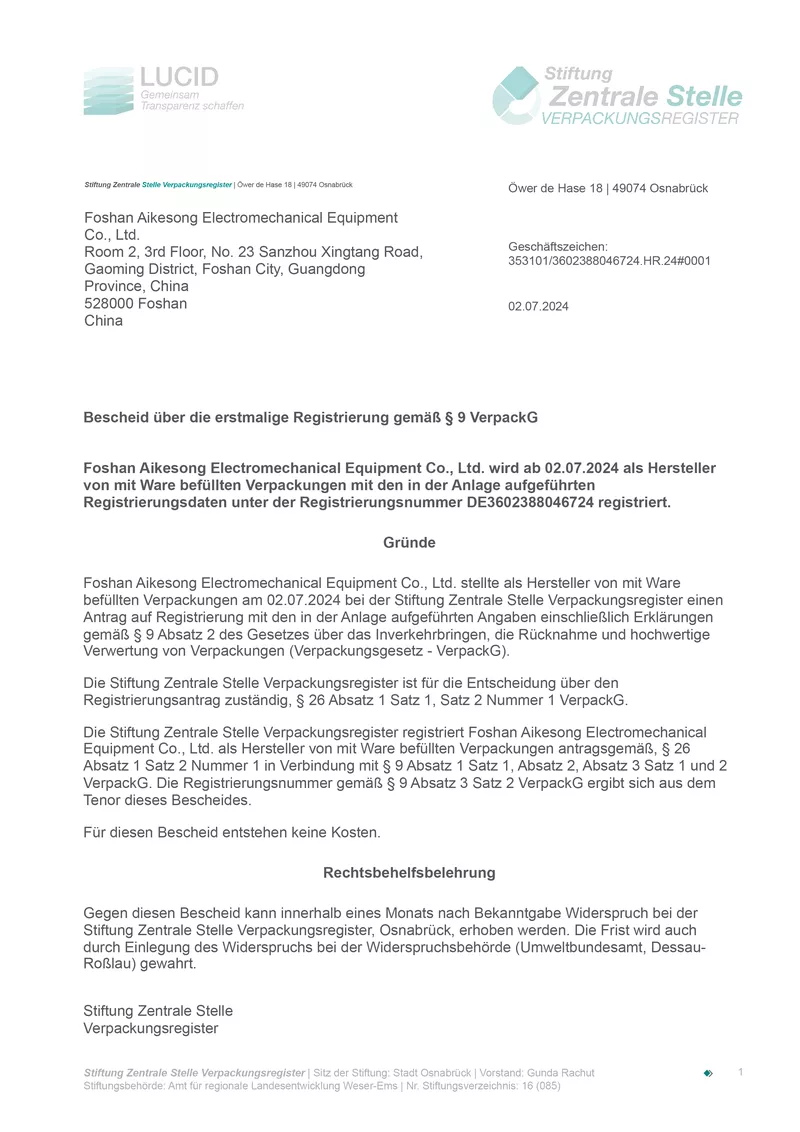
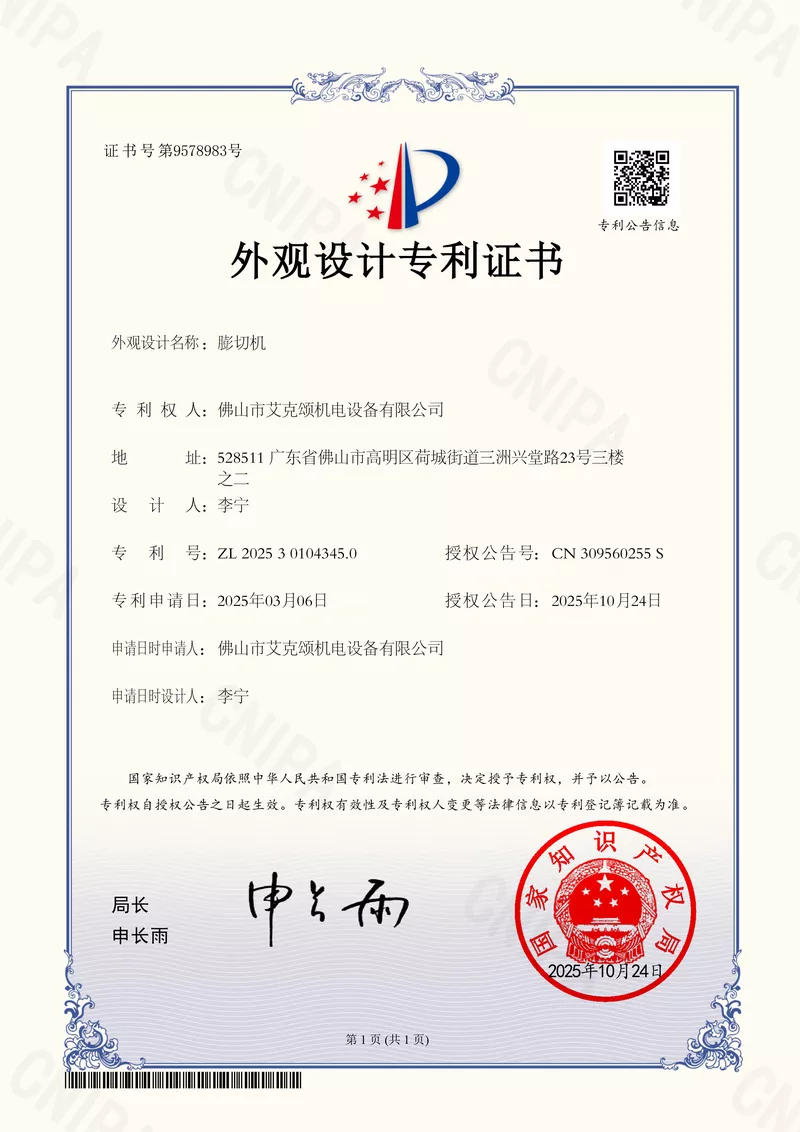
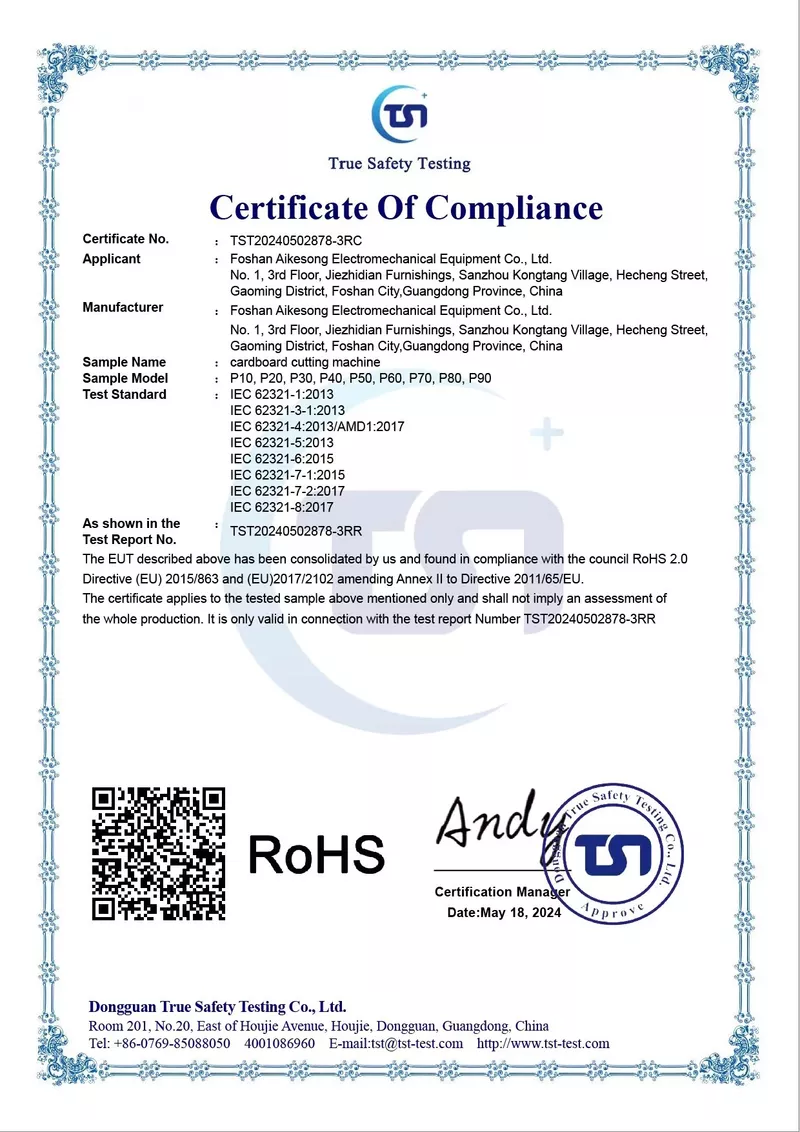
Complete export certifications, with an exclusive EU patent. Products pass CE, ROHS, and UKCA certifications, meeting EU market certification requirements, and hold an exclusive EU patent. For customers exporting to the European market, these certifications and patents are real market access advantages.
Choosing Aircosan, you may not get the cheapest price on the market, but you will get more cost-effective quality, more cooperative supply, and faster after-sales response.
FAQ
What types of cardboard can be shredded?
Can an ordinary paper shredder shred cardboard?
What materials must never be shredded?
What are the uses of shredded cardboard?
What functions should be considered when choosing a shredder?
Does a shredder need special installation?
How much space does operating a shredder need?
Can shredded cardboard replace purchased filler material?
Are output size or structure adjustable?
What daily maintenance is needed?
Can printed boxes be processed?
Is it noisy during operation?
Is it suitable for continuous operation?
Can you help recommend a model?
What is the customs code?
What is special about the cutter shaft?
How wide can the cutter shaft be made?
Does the machine have safety protection?
What certifications does the product have?
Why choose Aircosan?
Same 550mm cutting width: how to choose P30, P50, P80?
What is the thinnest it can cut?
Waste cardboard disposal is troublesome. How can a shredder help?
What is the relationship between plastic bans and shredders?
Related Products
Related Videos
Certifications
Redefine Packaging Efficiency
Start with every machine