Heavy-Duty Cardboard Shredder
Product Overview
This heavy-duty cardboard shredder is compact in size but packs serious power, built for packing stations that demand both speed and reliability. Cutting speed reaches up to 18 m/min, and it handles continuous operation in shipping centers and production floors without breaking a sweat. Even the bulkiest boxes turn into clean cushioning material in seconds — no jams, no overheating.
HS Code: 8472903000

Applications
Medium and large packing stations - Shred right by the bench, ready when you need it
E-commerce warehousing - Turn waste boxes into paper strip fill and save on consumables
Manufacturing plants - Basic protection for light and heavy components
Eco-friendly packaging companies - Replace plastic fill with recyclable cardboard
Bulk shipping sellers - Small footprint, plug-and-play, low maintenance
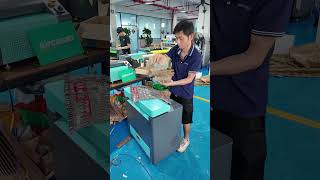
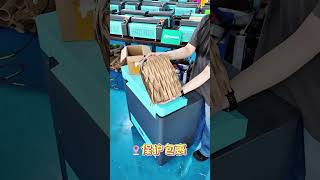
Product Video
Specifications
| Model | P50 |
|---|---|
| Product name | Cardboard Shredder |
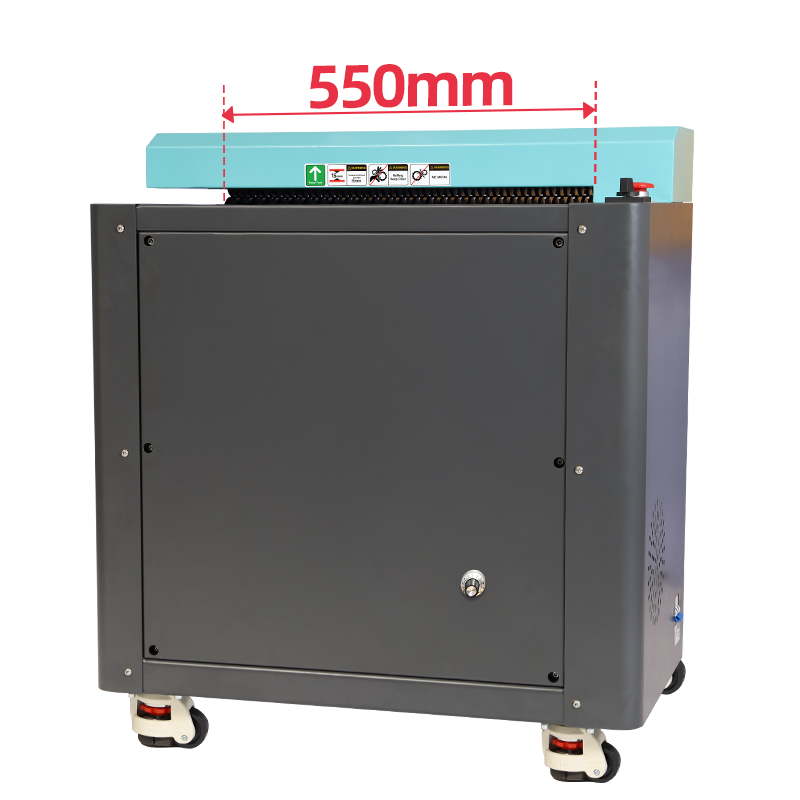
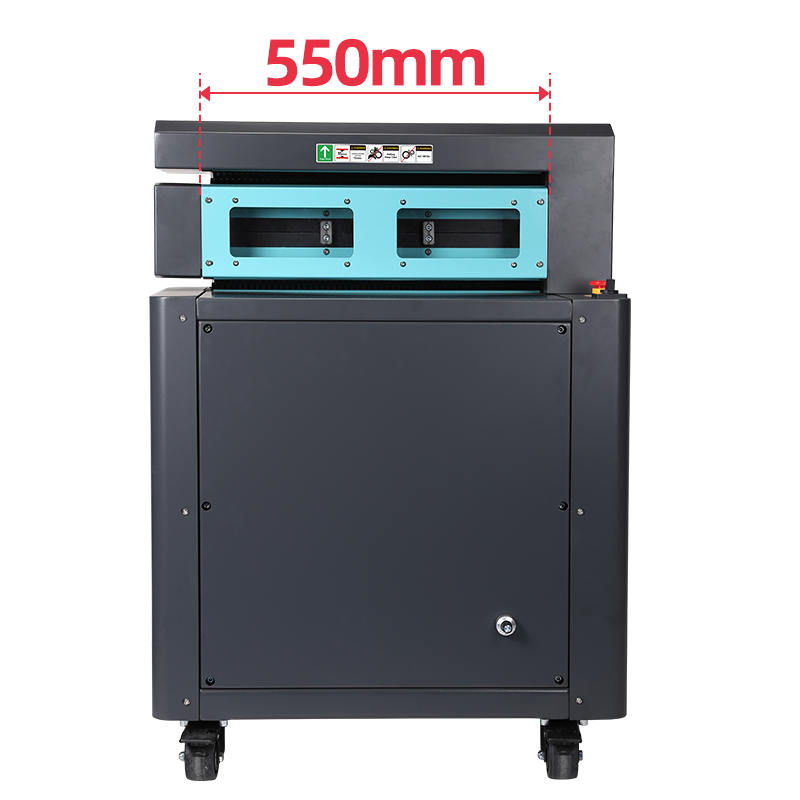
| Cutting width | 550mm |
| Voltage/Power | 110V(1500w) / 220V(1500w) / 380V(1500w) |
| Speed | Adjustable 0~18m/min |
| Cutting thickness | Max 15mm |
| Stops when drawer opens | No |
| Well-known brand gear motor | Yes |
| Net weight | (110v) 143.5kg / (220v) 140.8kg / (380v) 140.8kg |
| Machine dimensions | 740*461*850mm |
| Suitable paper | 3-5 layers |
| Package dimensions | 860*585*1020mm |
| Gross weight | (110v)165kg / (220v)162kg / (380v)162kg |
| Model | P50-3 |
|---|---|
| Product name | Cardboard Shredder |
| Cutting width | 550mm |
| Voltage/Power | 110V(1500w) / 220V(1500w) / 380V(1500w) |
| Speed | Adjustable 0~18m/min |
| Cutting thickness | Max 15mm |
| Stops when drawer opens | No |
| Well-known brand gear motor | Yes |
| Net weight | (110v) 143.5kg / (220v) 140.8kg / (380v) 140.8kg |
| Machine dimensions | 740*461*850mm |
| Suitable paper | 3-5 layers |
| Package dimensions | 860*585*1020mm |
| Gross weight | (110v)165kg / (220v)162kg / (380v)162kg |
| Model | P80 |
|---|---|
| Product name | Cardboard Shredder |
| Cutting width | 550mm |
| Voltage/Power | 110V(2200w) / 220V(2200w) / 380V(2200w) |
| Speed | Adjustable 0~15m/min |
| Cutting thickness | Max 20mm |
| Stops when drawer opens | No |
| Well-known brand gear motor | Yes |
| Net weight | (110v)208.5kg / (220v)205kg / (380v)205kg |
| Machine dimensions | 767*590*971mm |
| Suitable paper | 3-7 layers |
| Package dimensions | 860*585*1020mm |
| Gross weight | (110v)233kg / (220v)230kg / (380v)230kg |
| Model | P50-X |
|---|---|
| Product name | Cardboard Shredder |
| Cutting width | 550mm |
| Voltage/Power | 110V(2200w) / 220V(2200w) / 380V(2200w) |
| Speed | Adjustable 0~12m/min |
| Cutting thickness | Max 15mm |
| Stops when drawer opens | No |
| Well-known brand gear motor | Yes |
| Net weight | (110v) 216kg / (220v) 212kg / (380v) 212kg |
| Machine dimensions | 740*554*1030mm |
| Suitable paper | 3-5 layers |
| Package dimensions | 880*670*1230mm |
| Gross weight | (110v)240kg / (220v)236kg / (380v)236kg |
| Model | P90 |
|---|---|
| Product name | Cardboard Shredder |
| Cutting width | 900mm |
| Voltage/Power | 380V(5500w) |
| Speed | Adjustable 0~12m/min |
| Cutting thickness | Max 20mm |
| Stops when drawer opens | No |
| Well-known brand gear motor | Yes |
| Net weight | (380v)504kg |
| Machine dimensions | 1276mm*705mm*1048mm |
| Suitable paper | 3-7 layers |
| Package dimensions | 1400mm*800mm*1280mm |
| Gross weight | (380v)554kg |
| Model | P120 |
|---|---|
| Product name | Cardboard Shredder |
| Cutting width | 1200mm |
| Voltage/Power | 380V(5500w) |
| Speed | Adjustable 0~12m/min |
| Cutting thickness | Max 20mm |
| Stops when drawer opens | No |
| Well-known brand gear motor | Yes |
| Net weight | (380v)715kg |
| Machine dimensions | 1524mm*734mm*1116mm |
| Suitable paper | 3-7 layers |
| Package dimensions | 1600mm*800mm*1280mm |
| Gross weight | (380v)783kg |
Heavy-Duty Cardboard Shredder: A Practical Guide for Businesses
What Is a Cardboard Shredder
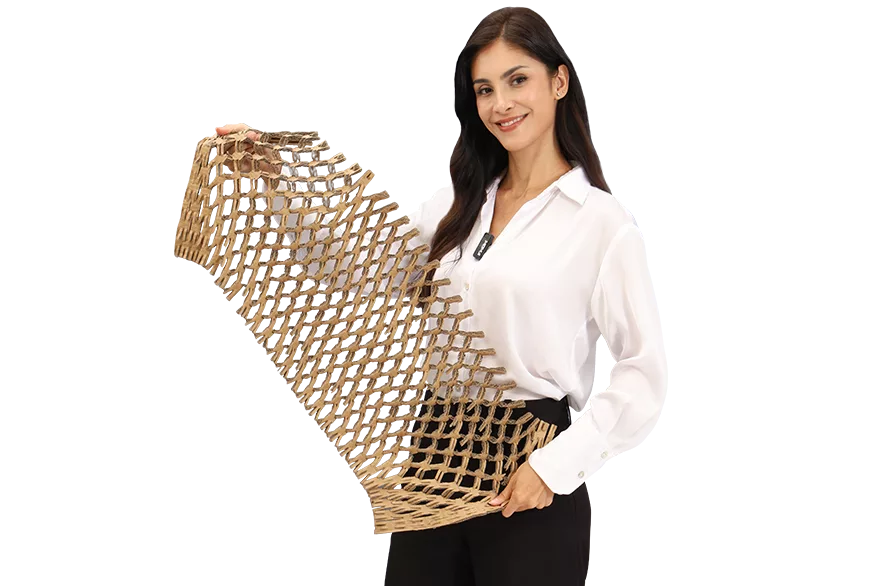
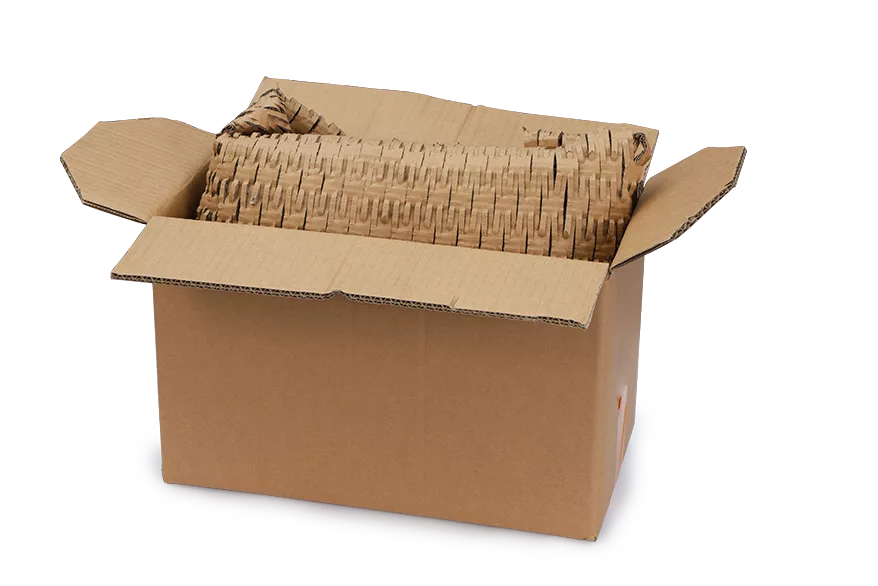
A cardboard shredder is a packaging machine that turns used corrugated cardboard into flexible protective packaging material. Instead of treating boxes as waste that must be thrown out or hauled away, businesses convert them on site into void fill, packaging material, or cushioning material for shipping.
It works differently from an office shredder made for thin printer paper. A cardboard shredder is built specifically for the structure and strength of corrugated cardboard. It usually uses reinforced cutting shafts, hardened blades, and a high-torque motor to perforate, cut, or expand cardboard without jamming or overheating. The processed cardboard keeps its structural strength and stays flexible enough for packing.
For businesses that use boxes every day, a cardboard shredder is a practical approach: reuse material already on site, and turn packaging waste into a usable resource instead of an operating burden.
Why Use a Cardboard Shredder in Packing
Cardboard is one of the most common materials in logistics, warehousing, and e-commerce. Boxes matter for shipping and storage, sure, but managing used cardboard has always been a hassle. Disposal fees, labor costs, storage space, and reliance on outside recycling services all push up day-to-day operating costs.
A cardboard shredder lets businesses handle that cardboard right in-house. Boxes that would be flattened, stacked, and hauled away can now go straight back into packaging. Less waste to send out means fewer headaches.
On cost, this approach offsets part of what you spend on paper void fill, air cushions, or foam. Instead of buying consumables over and over, you produce them on demand from existing cardboard. Over time, both packaging and disposal costs come down.
Operating efficiency matters too. Put the machine near the packing bench, and operators can grab fill whenever they need it — no interrupting the workflow, no waiting for supplies to arrive, and no need to set aside space for bulky consumables. The whole packing process runs smoother.
There is an environmental upside as well. Reusing cardboard internally cuts waste and fits sustainable packaging goals, without big changes to how you operate. For many businesses, a corrugated cardboard shredder is a balanced solution that covers cost, efficiency, and material use.
How a Corrugated Cardboard Shredder Works
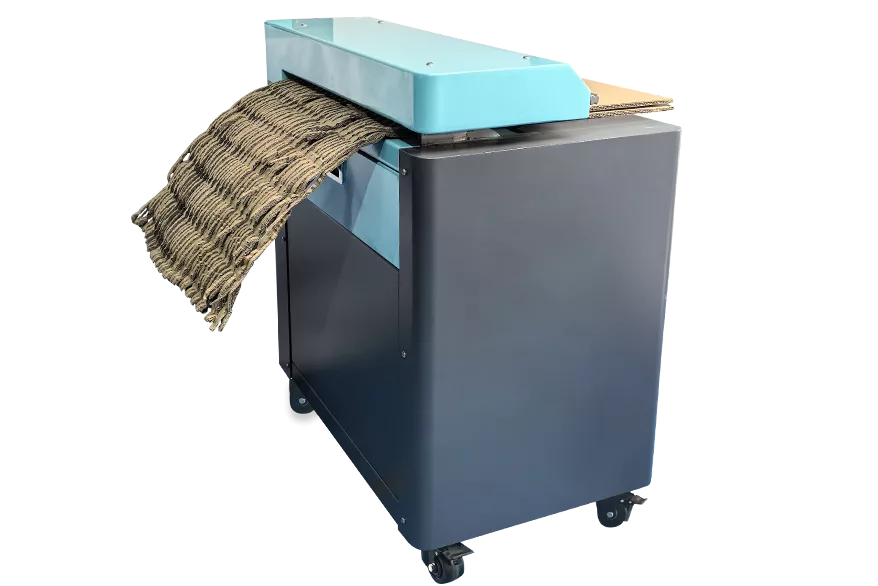
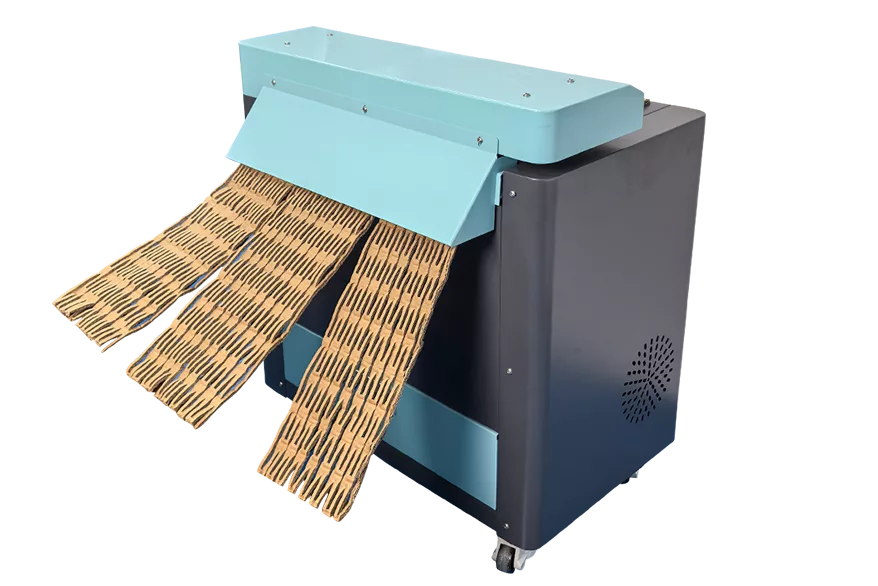
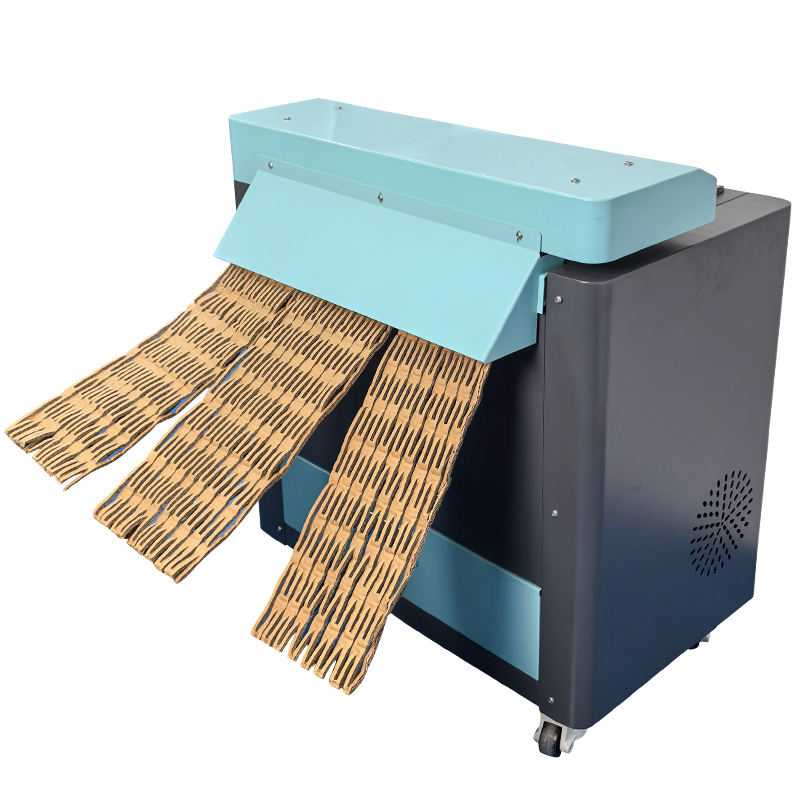
Inside the machine, rotating shafts fitted with blades or cutting elements contact the cardboard. The cutting method decides the output shape: one style cuts regular patterns into the cardboard so the material stretches and expands into a three-dimensional structure that absorbs impact and fills box voids; another cuts it straight into strips, giving clean, compact, uniform-width output.
The processed cardboard comes out ready to use — no second pass needed. It is a continuous mechanical process, so packaging material is made on demand, matching the packing rhythm. No need to produce a big batch ahead and stockpile it.
Safety is covered as well. Emergency stop buttons, enclosed cutting areas, and controlled feed mechanisms let the machine run steadily and safely even in a busy packing environment.
Different Types of Cardboard Shredders
Cardboard shredders come in different configurations for different operating needs and volumes.
Desktop or tabletop models are aimed at small packing stations, e-commerce studios, and low-volume settings. They are small, easy to install, and usually run on standard power. Businesses that handle a limited number of boxes a day but want to cut waste and packaging costs do well with these.
Heavy-duty models are made for higher throughput. Wider feed openings and stronger cutting systems let them handle larger, thicker boxes continuously. Warehouses, logistics centers, and manufacturing plants with steady, predictable volumes usually go for these.
Some models are optimized for a specific output — strips for wrapping, or mesh for filling voids. Others offer adjustable settings so operators can change output to match different packing needs.
The right choice still comes down to how many boxes you process daily, how much floor space you have, and how you plan to use the output.
Cardboard Compatibility and Output Uses
Not all cardboard is the same, so compatibility is a real consideration when using a shredder. Most machines handle standard corrugated cardboard, including single-wall and some double-wall. Thickness, material, and moisture content all affect performance.
Clean, dry cardboard works best — it expands evenly and keeps structural strength after cutting or perforation. Heavily contaminated, damp, or laminated cardboard is not really suitable.
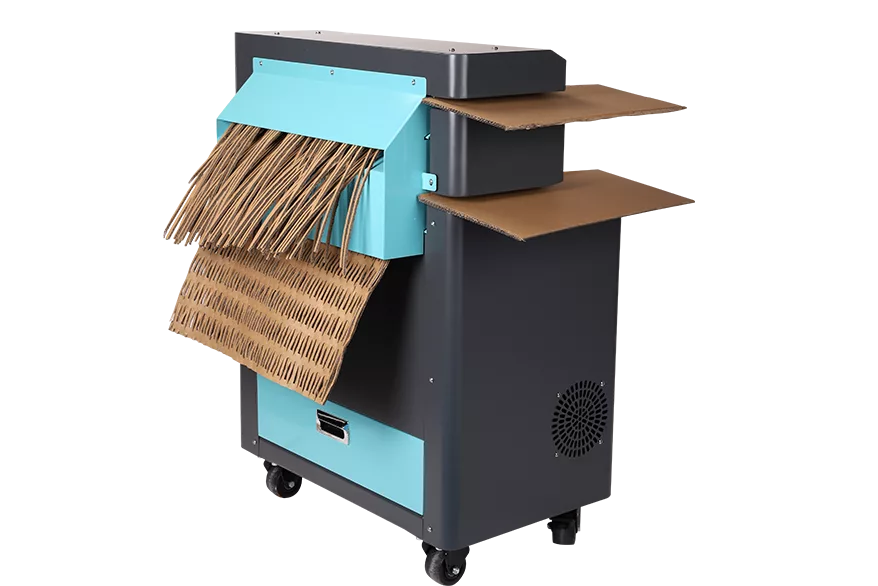
The output has plenty of uses. Mesh cardboard usually works as void fill to keep items from shifting in transit; strip cardboard can wrap products or sit between items as a separator. Some models support both outputs — strips when you need wrapping, mesh when you need gap filling — so one machine covers two common needs, which is handy for stations with varied packaging content. Some models can also cut one sheet into three specified sizes at once, which is useful when material has to be portioned and used in fixed amounts; output is uniform and easier to control downstream.
How to Choose the Right Heavy-Duty Cardboard Shredder
Start by understanding your own operation. One of the most important factors is daily box volume. Small operations may only need a compact machine, while high-volume production needs a more powerful floor-standing model built for continuous use.
Feed width and maximum cardboard thickness matter too. The shredder must handle the largest boxes you commonly use, without repeated pre-cutting or manual prep.
Industrial cutting widths usually come in 55 cm and 90 cm, up to 120 cm at the widest. 55 cm suits stations with limited space and smaller boxes; 90 cm covers most mid-size boxes; 120 cm is for operations that regularly handle large boxes and want high throughput. Pick the width that matches the job — bigger is not always better. On thickness, current models support up to 20 mm, so thick board and multi-layer corrugated can go straight in without extra prep.
Voltage also needs checking upfront. P50, P50-X, P50-3, and P80 support single-phase 110V or 220V, and three-phase 380V. P90 and P120 are 380V three-phase only. Match this to what your facility actually provides.
Workspace layout matters as well. Tabletop machines can sit easily next to the packing bench, while larger equipment needs dedicated floor space. Noise level, power requirements, and ease of maintenance also shape the final choice.
Finally, think about how the finished material will be used. Jobs focused on void fill may favor perforation and expansion; jobs centered on wrapping or separating may lean toward strip cutting. Once the need is clear, the model is easy to pin down.
FAQ
Which types of cardboard can be shredded?
Can a regular paper shredder shred cardboard?
What materials should never be shredded?
What are shredded cardboard strips used for?
What features should businesses consider when choosing a cardboard shredder?
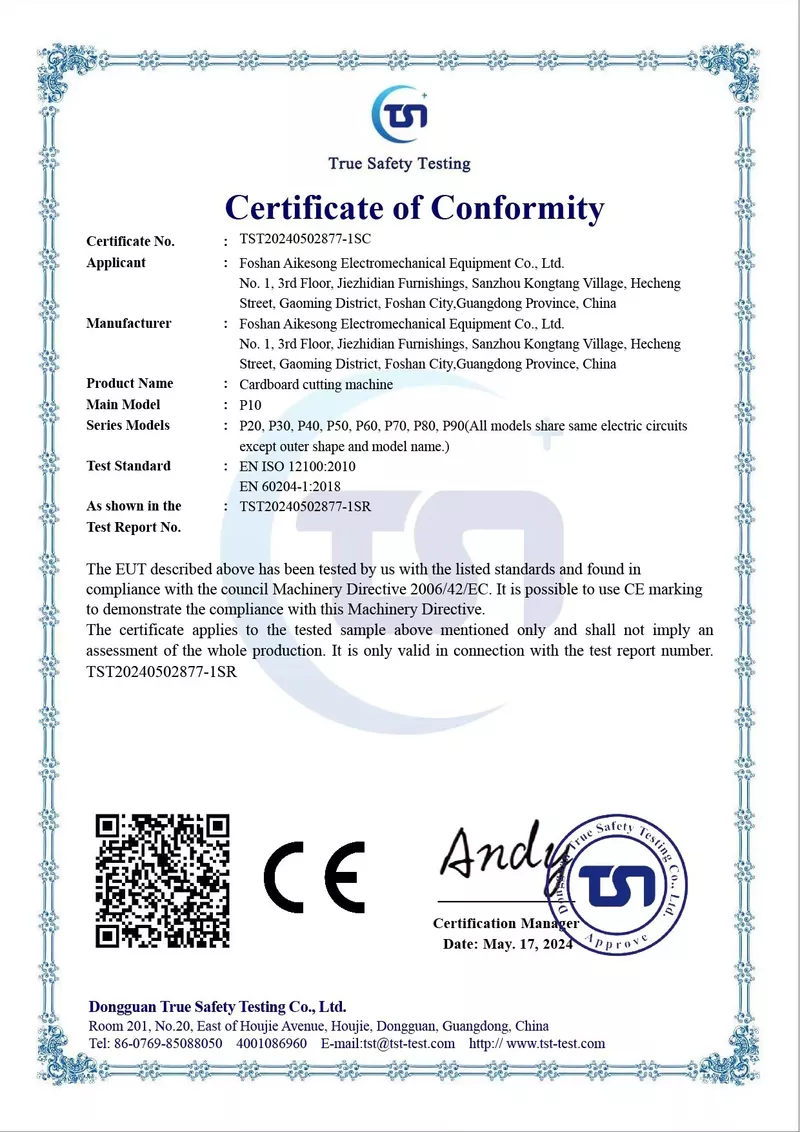
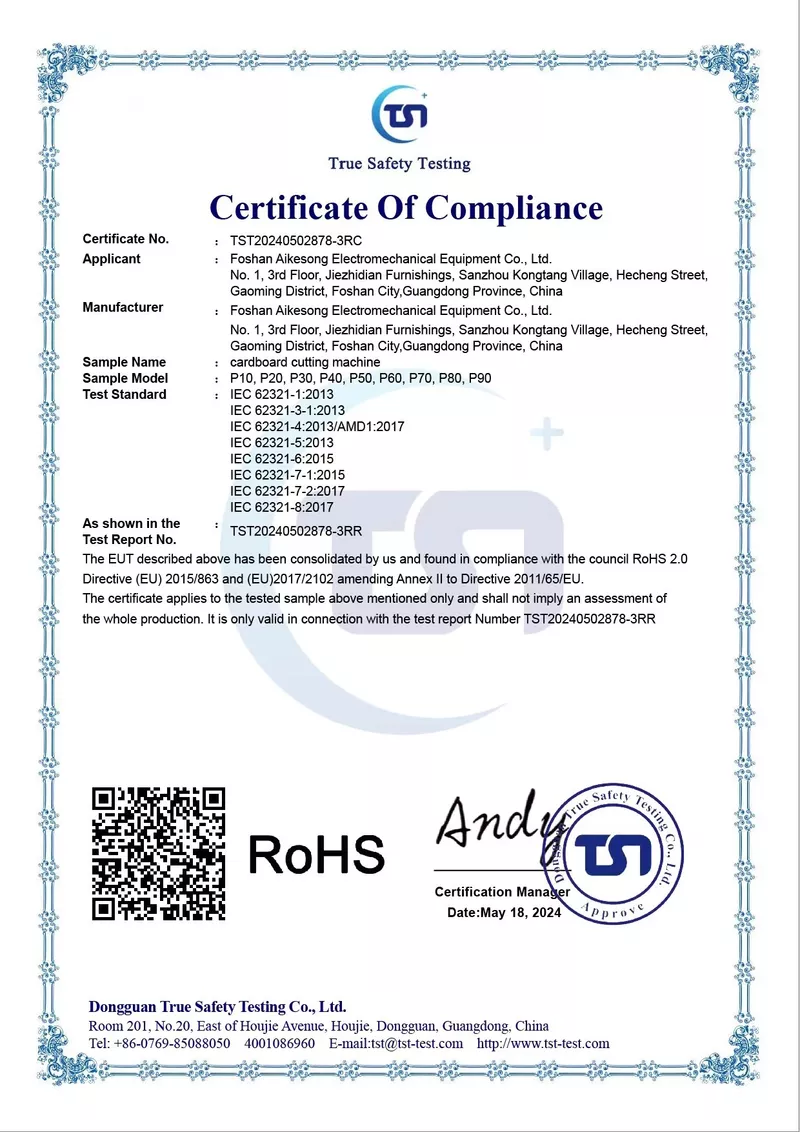
Are there regulatory or compliance considerations?
Does a cardboard shredder require special installation?
How much space is needed to operate a cardboard shredder?
Can shredded cardboard fully replace purchased void fill?
Is the output size or structure adjustable?
What daily maintenance is required?
Can the machine handle printed or inked boxes?
How noisy is a cardboard shredder during operation?
Is a cardboard shredder suitable for continuous operation?
Can you help recommend the right model before purchase?
Related Products


Related Videos

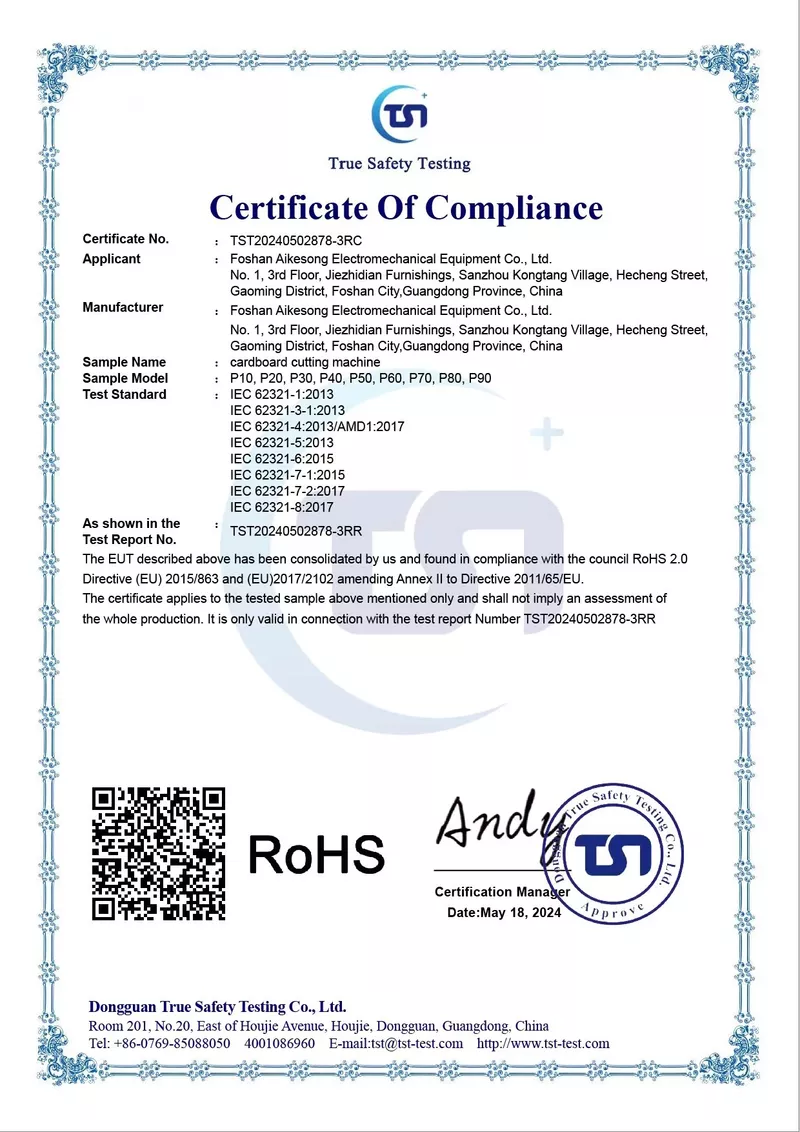
Certifications
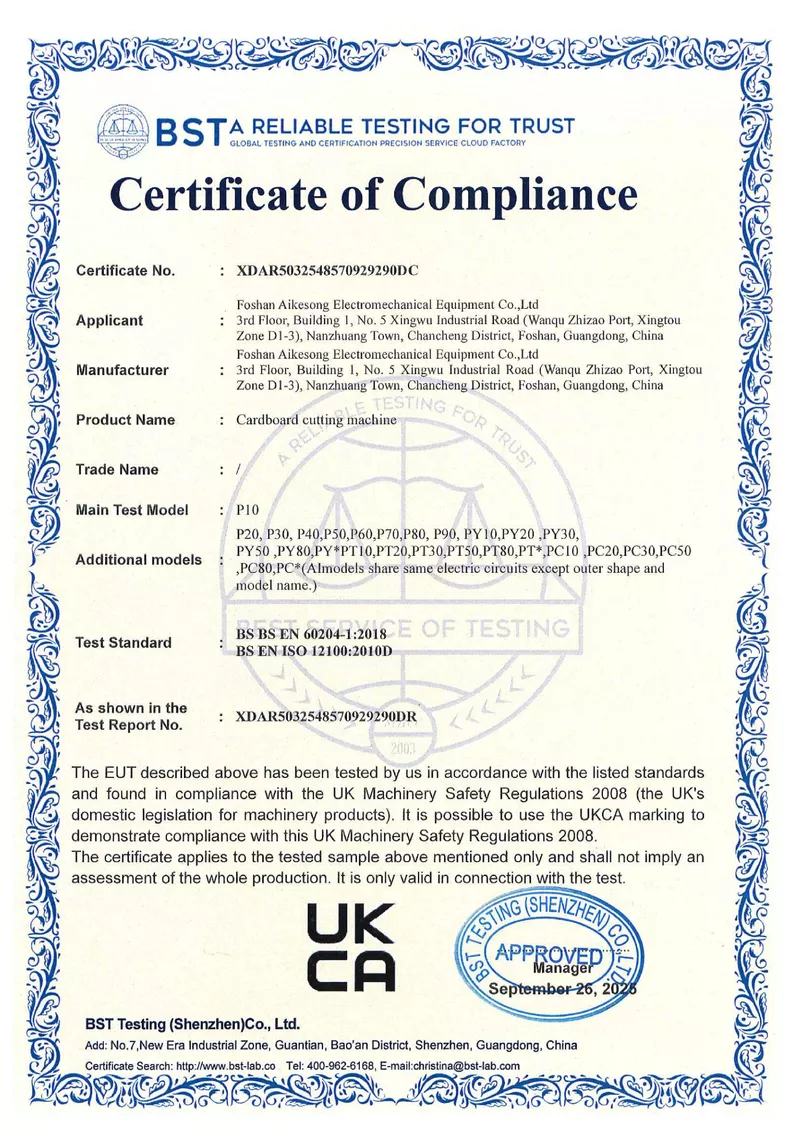

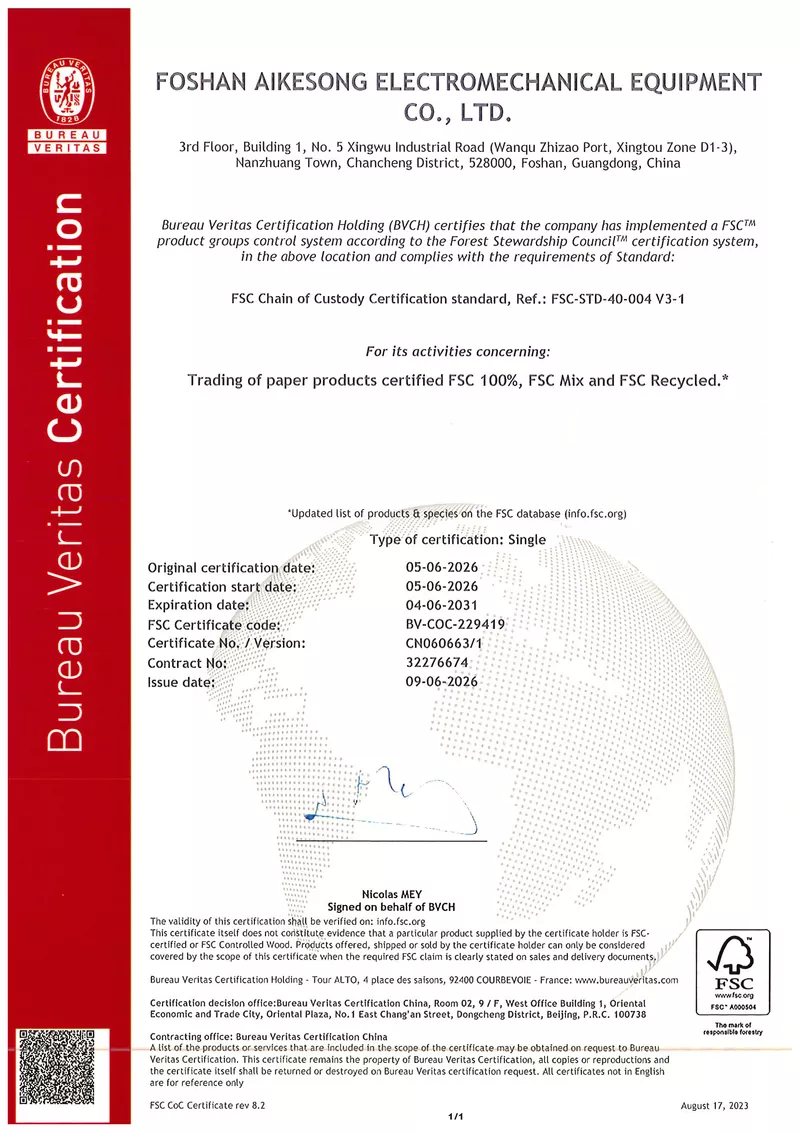
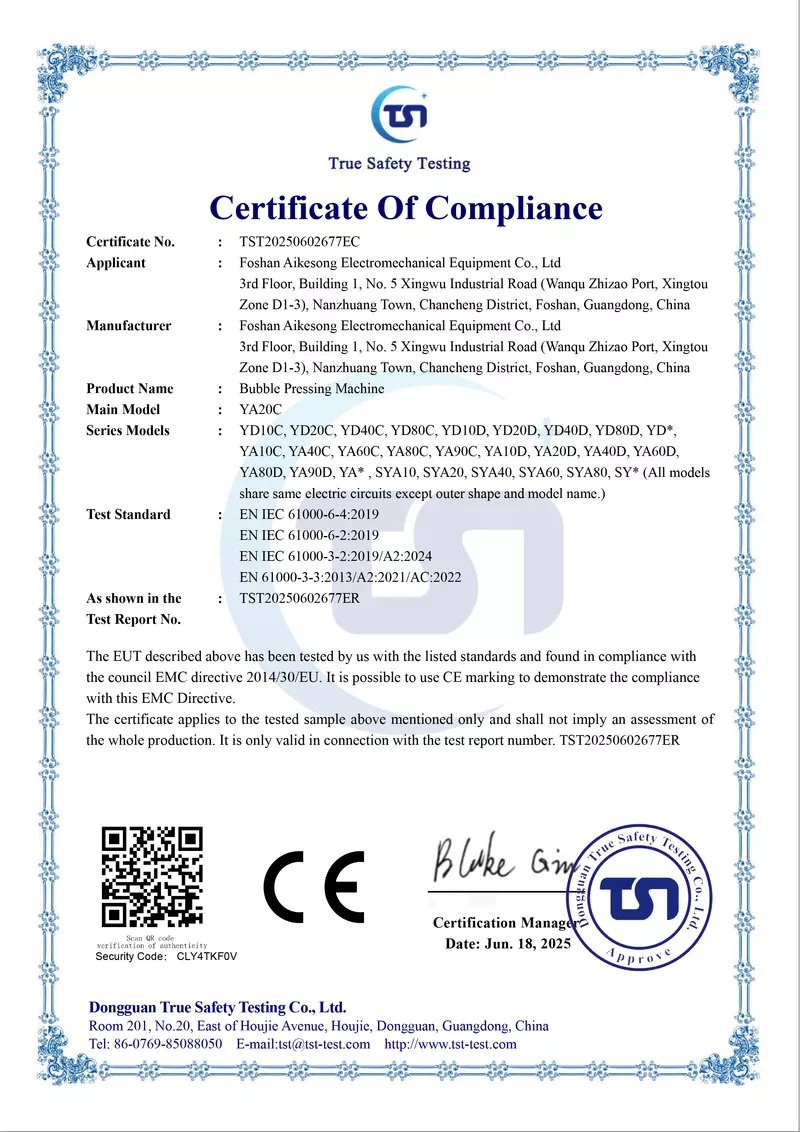
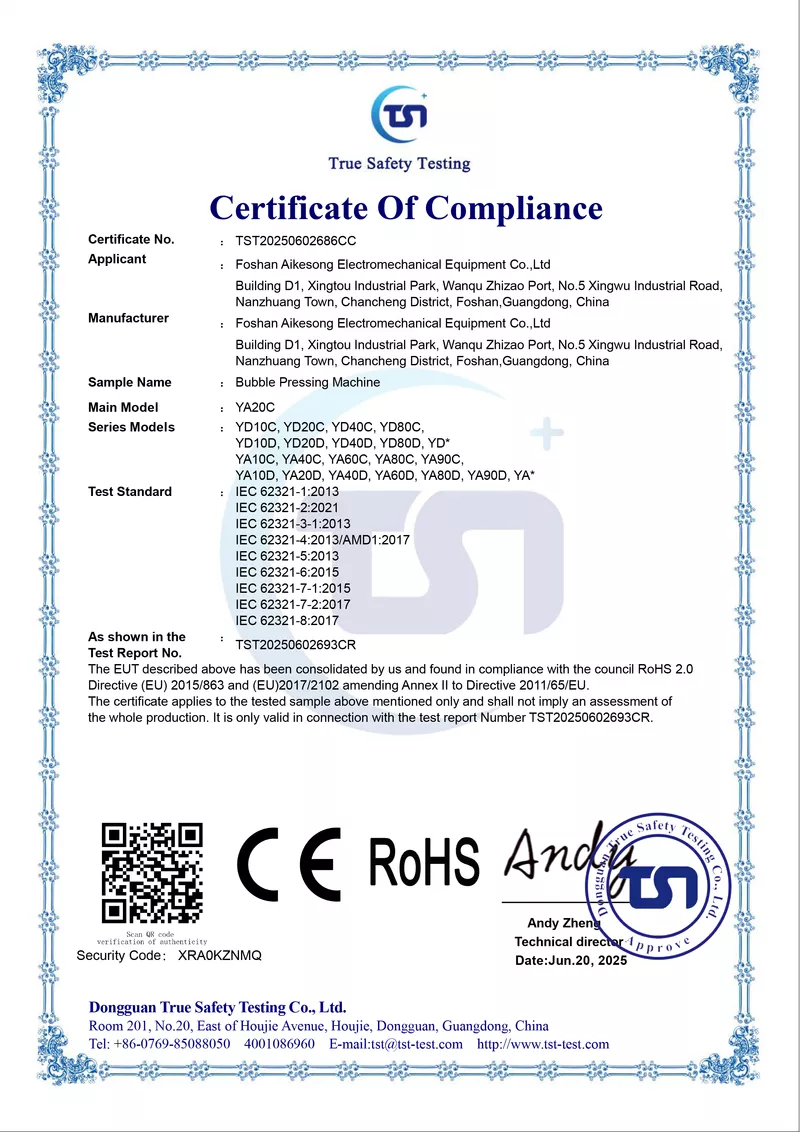
Redefine Packaging Efficiency
Start with every machine