Paper Bubble Machine
Product Overview
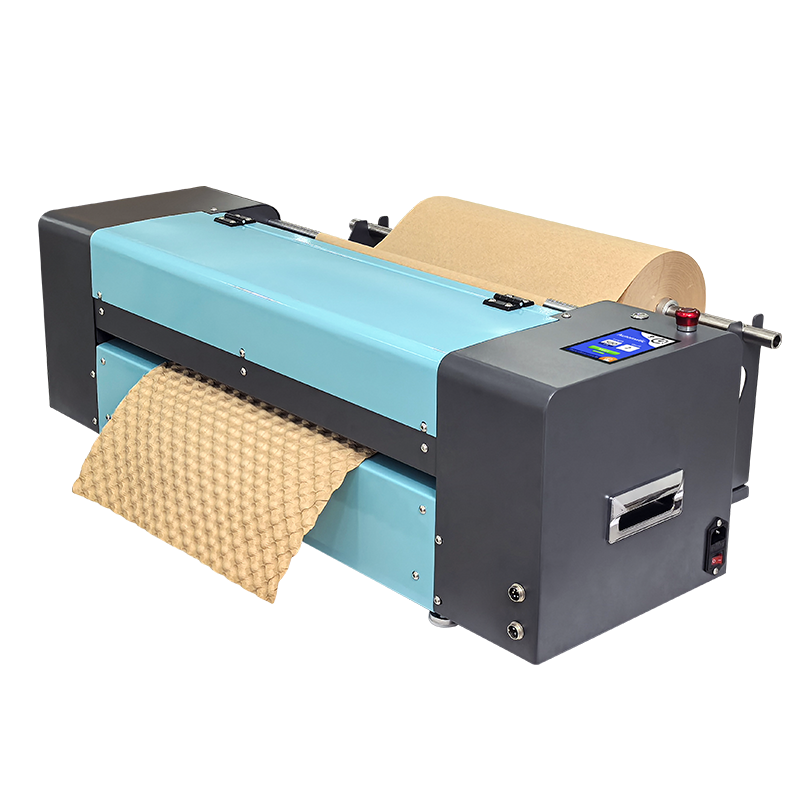
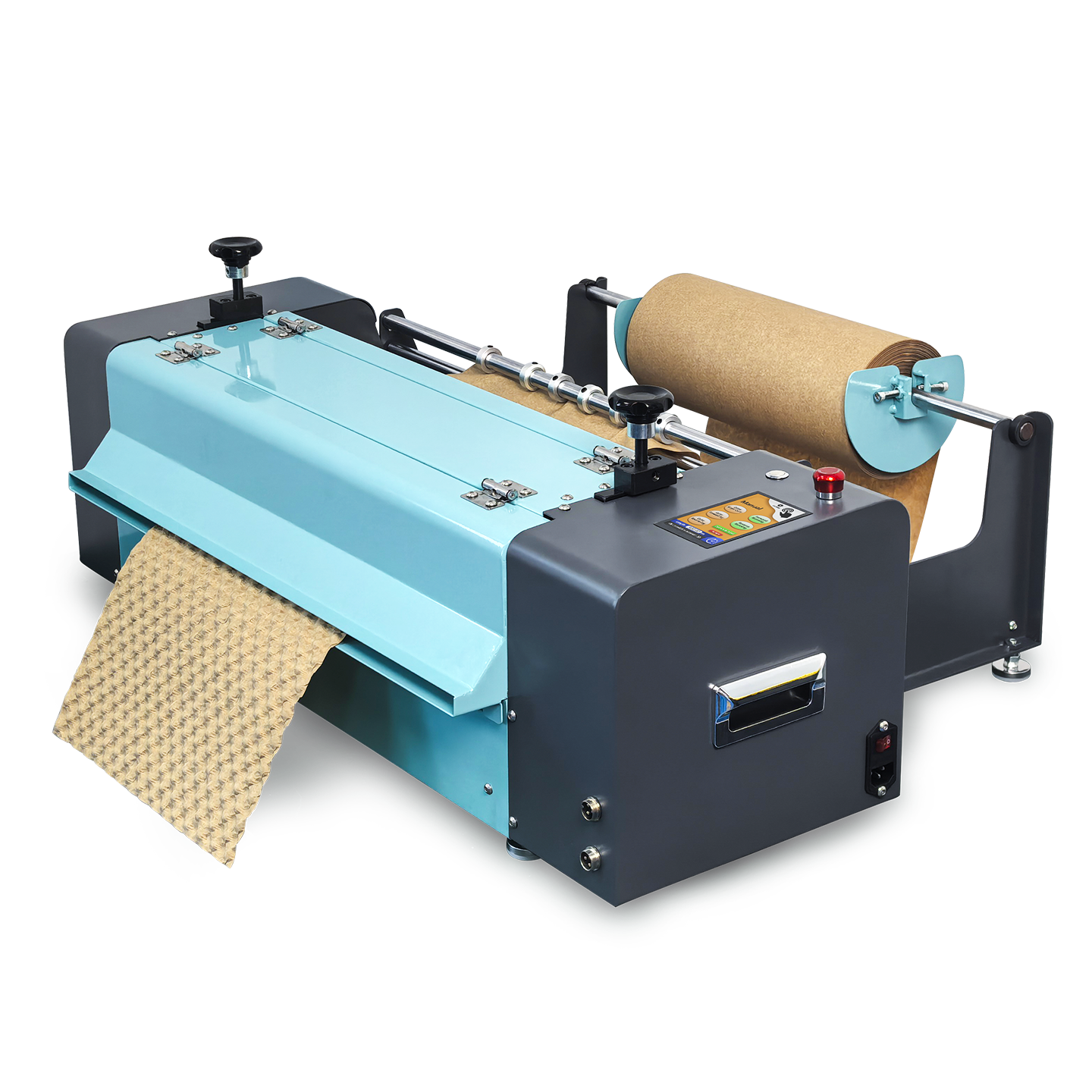
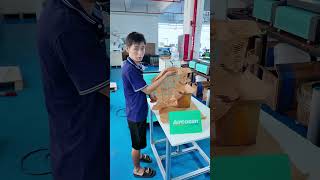
This paper bubble machine is compact and easy to position — it works right next to the packing bench. It uses kraft paper made specifically for paper bubble machines and presses it into a three-dimensional bubble structure, creating a paper-based cushioning material that replaces plastic bubble wrap. Operation is simple: plug it into a standard power outlet and it runs, with no air inflation, heating, or adhesives needed. The machine automatically adjusts bubble-forming pressure based on the actual paper thickness, and also supports manual adjustment, so common 70 gsm and 80 gsm specialty bubble paper can be matched across the board.
HS Code: 8441309000

Applications
Offices - Set it in a corner and produce paper cushioning on demand
Chain stores - Produce right at the packing bench and cut plastic bubble wrap inventory
Production lines - Stable cushioning protection for small and medium parts
Small and medium parcel shipping - Replace plastic fill with paper bubble wrap
Courier outlets - Small footprint, plug-and-play, produce directly at the packing site
Product Video
Specifications
| Model | YA10 |
|---|---|
| Product name | Paper Bubble Machine |
| Output length and quantity | Customizable |
| Feed width | 350mm |
| Effective feed width | 330mm |
| Voltage/Power | 110V(200w) / 220V(200w) |
| Working speed | Max 26m/min (adjustable) |
| Suitable paper | Single layer |
| Paper weight | 70~140g |
| Paper type | Specialty kraft paper for paper bubble machines |
| Net weight | 48kg |
| Machine dimensions | 666*514*303mm |
| Package dimensions | 825*450*440mm |
| Gross weight | 54kg |
| Model | YA20 |
|---|---|
| Product name | Paper Bubble Machine |
| Output length and quantity | Customizable |
| Feed width | 450mm |
| Effective feed width | 430mm |
| Voltage/Power | 110V(200w) / 220V(200w) |
| Working speed | Max 26m/min (adjustable) |
| Suitable paper | Single layer |
| Paper weight | 70~140g |
| Paper type | Specialty kraft paper for paper bubble machines |
| Net weight | 56kg |
| Machine dimensions | 766*514*303mm |
| Package dimensions | 930*450*440mm |
| Gross weight | 63kg |
| Model | YA40 |
|---|---|
| Product name | Paper Bubble Machine |
| Output length and quantity | Customizable |
| Feed width | 620mm |
| Effective feed width | 600mm |
| Voltage/Power | 110V(200w) / 220V(200w) |
| Working speed | Max 26m/min (adjustable) |
| Suitable paper | Single layer |
| Paper weight | 70~140g |
| Paper type | Specialty kraft paper for paper bubble machines |
| Net weight | 66kg |
| Machine dimensions | 934*514*303mm |
| Package dimensions | 1100*450*440mm |
| Gross weight | 73kg |
| Model | YA45 |
|---|---|
| Product name | Paper Bubble Machine |
| Output length and quantity | Customizable |
| Feed width | 620mm |
| Effective feed width | 600mm |
| Voltage/Power | 110V(200w) / 220V(200w) |
| Working speed | Max 26m/min (adjustable) |
| Suitable paper | Single layer |
| Paper weight | 80~160g |
| Paper type | Specialty kraft paper for paper bubble machines |
| Machine dimensions | 933*711*327mm |
| Net weight | 79kg |
| Package dimensions | 1065*510*620mm |
| Gross weight | 104kg |
Paper Bubble Machine: A Practical Guide to Paper Bubble Packaging
What Is a Paper Bubble Machine
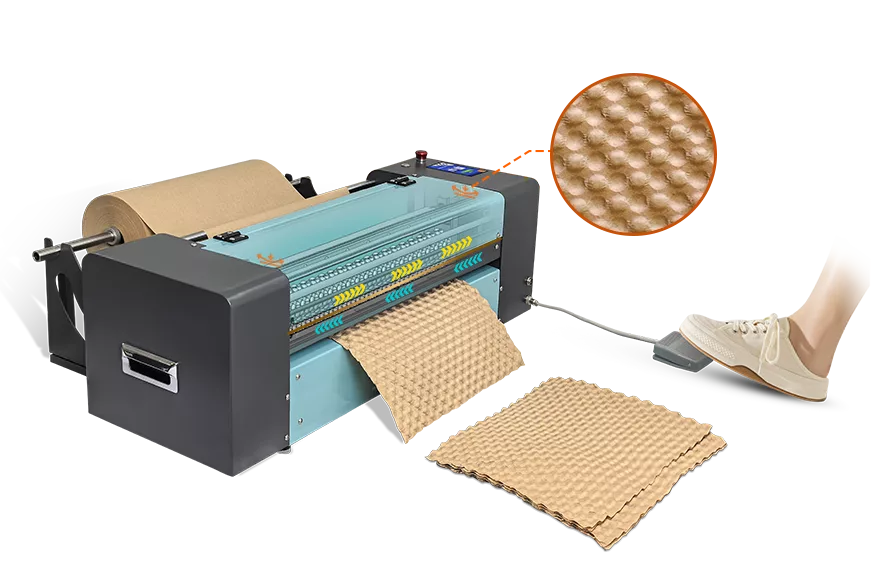
A paper bubble machine is equipment used to produce paper bubble wrap. It presses kraft paper made specifically for paper bubble machines into an uneven, three-dimensional bubble structure, creating a paper-based material that is mainly for cushioning with packaging as a secondary function — a replacement for the plastic bubble wrap commonly used in protective packaging.
Unlike plastic bubble wrap, paper bubble wrap is made entirely from paper, uses no plastic, is 100% recyclable, and does not pollute the environment. It uses degradable kraft paper made specifically for paper bubble machines as its main material. Once pressed into a bumpy structure, it offers good impact resistance, making it a better choice to replace small bubble wrap and other plastic packaging materials.
The machine itself is also compact, easy to move, takes up little space, and is intuitive to operate. It works in offices, chain stores, production lines, small and medium parcel shipping, and courier outlet packing — paper bubble wrap can be produced on demand whenever needed.
Why Replace Plastic Bubble Wrap with Paper Bubble Wrap
Plastic bubble wrap is convenient to use but troublesome to dispose of. It is not degradable, recycling channels are limited, and more and more companies are becoming cautious about using plastic packaging materials. At the policy level, the space left for traditional plastic bubble wrap is shrinking fast.
On August 12, 2026, the core provisions of the EU Packaging and Packaging Waste Regulation (PPWR, Regulation (EU) 2025/40) become fully mandatory. This means the old Packaging and Packaging Waste Directive (94/62/EC), which had been in place for nearly 30 years with inconsistent enforcement across countries, is officially repealed. Traditional plastic bubble wrap is already facing a full ban, and this kind of control will gradually spread to more markets worldwide. For companies still using large amounts of plastic bubble wrap, switching packaging materials is now an urgent priority.
Paper bubble wrap uses degradable kraft paper made specifically for paper bubble machines as its main material, is 100% recyclable, and is compatible with existing paper recycling systems. It retains reliable packaging performance while not staying in the environment as long as plastic does. For companies that want to reduce plastic use while maintaining their packaging protection level, this is a practical balance point.
In addition, the paper bubble machine supports on-demand production. You make as much as the packing station needs, without stockpiling a large amount of pre-made material in advance, which makes storage space and material management much easier.
How the Paper Bubble Machine Works
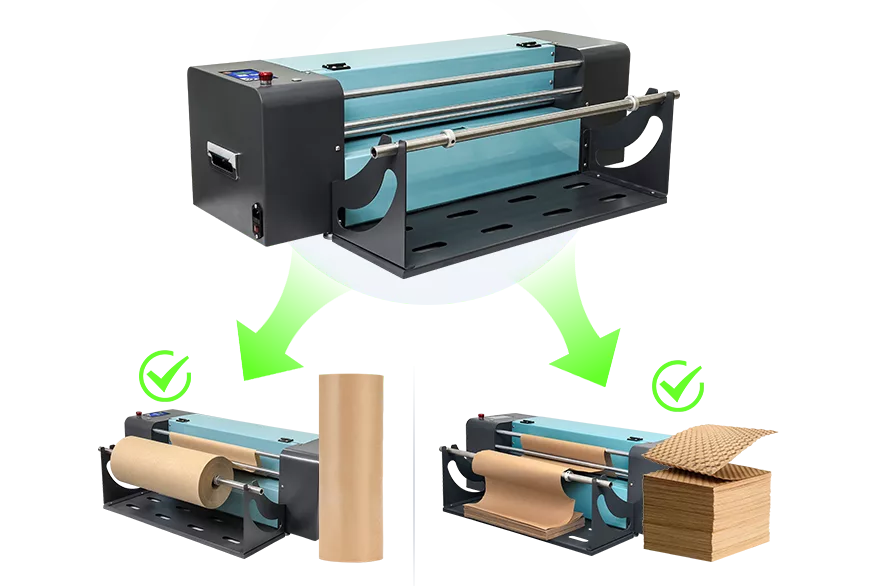
The paper bubble machine uses mechanical embossing to convert kraft paper made specifically for paper bubble machines into a three-dimensional cushioning material. During operation, the specialty kraft paper roll is loaded into the machine, and within seconds bubble-shaped cushioning material is pressed out, ready to be taken directly to the packing station.
Unlike plastic bubble wrap, this process does not require inflation, sealing, heating, or adding other materials. The equipment is designed for on-demand production, so businesses can make recyclable cushioning material right at the packing site, reducing material storage and making packaging operations more sustainable.
For bubble-forming pressure, the equipment supports automatic adjustment based on the actual paper thickness, and also supports manual adjustment. Common 70 gsm and 80 gsm specialty bubble paper can be matched across the board, so you do not have to fiddle with parameters repeatedly after changing paper.
How Paper Bubble Wrap Is Made
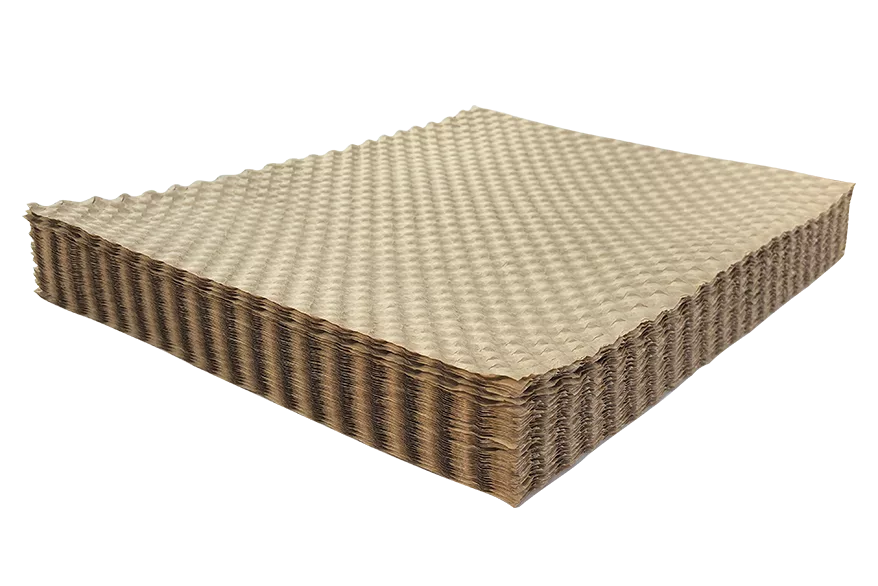
Paper bubble is a cushioning material based on specialty kraft paper for paper bubble machines, formed into a three-dimensional structure through a mechanical forming process. It looks similar to plastic bubble wrap, but is not made by inflation — instead, the paper bubble machine reshapes the paper surface into raised bubbles that provide cushioning and surface protection during packing and shipping.
Raw material: specialty kraft paper roll for paper bubble machines. The whole process starts with a specialty kraft paper roll for paper bubble machines. This specialty paper is strong, flexible, and durable; its natural fiber structure lets it be reshaped under pressure while keeping its integrity, which is ideal for making a stable bubble pattern. The finished product remains fully recyclable and compatible with existing paper recycling systems. Note that the paper bubble machine has specific paper requirements — ordinary kraft paper or unverified paper may not achieve a stable forming result, so it is recommended to use specialty kraft paper for paper bubble machines.
Automatic feeding and continuous operation. Once the paper roll is loaded, the machine automatically feeds the paper forward at a controlled and steady speed. This continuous operation mode lets paper bubble wrap be produced on demand, right at the packing station. When output matches real-time packing demand, businesses can reduce interruptions, avoid material shortages, and keep the packaging flow smooth.
Mechanical embossing and bubble formation. The core of the process is a mechanical embossing system that forms the bubble structure by applying pressure rather than inflating. As the specialty kraft paper passes through precisely designed forming rollers, the paper fibers are reshaped into a uniform bubble texture. This forming method requires no sealing, adhesives, or heating, so the process is simpler, uses fewer consumables, and has lower maintenance requirements. The embossed structure naturally creates cushioning space that helps absorb impact and reduces vibration during handling and transport.
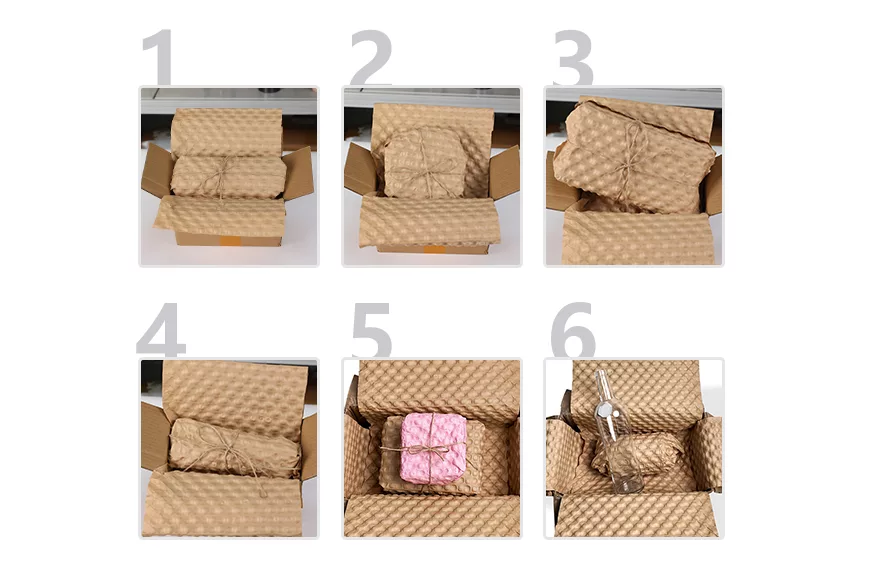
Finished output, ready to use. The formed paper bubble wrap comes out of the machine as a finished cushioning material with no additional processing. It is easy to tear or cut to the desired length and is used directly on products during packing. In daily operations, paper bubble wrap is often used to wrap items, line boxes, separate products, or fill gaps — providing reliable protection while also being easy to handle and process.
Efficiency and sustainability in packing operations. Producing paper bubble wrap on demand frees businesses from the storage model of pre-made packaging materials, producing cushioning material only when needed. This not only reduces storage space requirements but also simplifies material management at the packing station. As a fully paper-based solution, paper bubble wrap supports sustainability goals by reducing plastic use and making end-user recycling easier. For warehouses, logistics centers, and manufacturers, it offers a practical balance between protection, efficiency, and environmental responsibility.
Core Features of the Paper Bubble Machine
Compact design, suitable for on-demand packing. Small footprint, so it can be placed right next to the packing bench or workstation. Designed for decentralized packing areas and small-to-medium warehouses, operators can produce cushioning material on the spot as needed.
Plug and play, no air or heat required. Runs on standard power only — no inflation, sealing, heating, or adhesives. Setup is simple, operation intuitive, ready to use out of the box, and almost no training is needed.
Precision embossing rollers for stable bubble forming. Equipped with specially designed hardened forming rollers that apply uniform pressure to the paper surface, ensuring a consistent bubble pattern and stable cushioning performance during continuous production.
Automatic/manual bubble-forming pressure adjustment. The equipment can adjust pressure automatically based on the actual paper thickness and also supports manual adjustment. It broadly matches common 70 gsm and 80 gsm specialty bubble paper, so you do not need repeated tuning after changing paper.
Safe, low-noise operation. Designed for everyday warehouse use, with enclosed forming components and a protective housing. Low operating noise makes it suitable for shared workspaces without disturbing nearby packing operations.
Low maintenance cost, reliable performance. The mechanical forming process reduces wear parts, lowering maintenance requirements and downtime. The simplified structure keeps it running stably over the long term in demanding packing environments.
Consistent cushioning performance. Provides uniform bubble texture and thickness, giving predictable cushioning performance across various packaging applications — suitable for transport, retail distribution, and light industrial packaging needs.
Compatible with standard paper roll widths. Supports commonly used specialty kraft paper roll widths for paper bubble machines, so businesses can adjust material dimensions to typical carton sizes and minimize paper waste in daily operations.
Differences Between Models
YA10, YA20, and YA40 use horizontal cutting, suitable for regular packing stations and small-to-medium batch use. YA45 uses vertical cutting for faster cutting speed, making it better suited for high-volume scenarios.
All models support custom length and piece count, and come with a multilingual touchscreen control, so operators can set parameters directly according to actual packaging needs without extra training.
Where It Fits Best
The paper bubble machine is small, easy to move, takes up little space, and is simple to operate, making it suitable for many scenarios. Offices, chain stores, production lines, small and medium parcel shipping, and courier outlet packing can all produce paper bubble wrap on site as needed.
For decentralized packing areas and small-to-medium warehouses, it can sit right next to the packing bench — make as much as you need, without stockpiling material in advance or setting aside extra storage space for pre-made paper bubble wrap.
How to Choose the Right Model
When choosing a model, the main factors are your effective feed width and daily usage. YA10 has an effective feed width of 330mm, YA20 is 430mm, YA40 is 600mm, and YA45 is also 600mm but uses vertical cutting for faster speed.
If daily usage is low and carton sizes are small, YA10 or YA20 is enough. If you need to handle wider paper rolls and larger packaging volumes, YA40 and YA45 are better suited. For very high volume with high speed requirements, YA45's vertical cutting has the edge.
All models support custom length and piece count, come with a multilingual touchscreen, and support 110V or 220V — they run on standard power.
Want to know which one fits your packing scenario best? Contact us and tell us your needs — we will help you find the right model.
FAQ
How does a paper bubble machine work?
How is paper bubble wrap made?
Does it need air, heat, or adhesives?
What paper does it use? Is it recyclable?
Can it replace plastic bubble wrap?
Why should plastic bubble wrap be replaced now?
Where does it fit best?
Is maintenance a hassle?
Is it noisy during operation?
How much space is needed?
Does it support custom length and piece count?
How to choose between models?
Does bubble-forming pressure need to be adjusted manually?
Does it need special installation?
Can it handle printed or inked paper?
Can you help recommend a suitable model before purchase?
Related Products


Related Videos
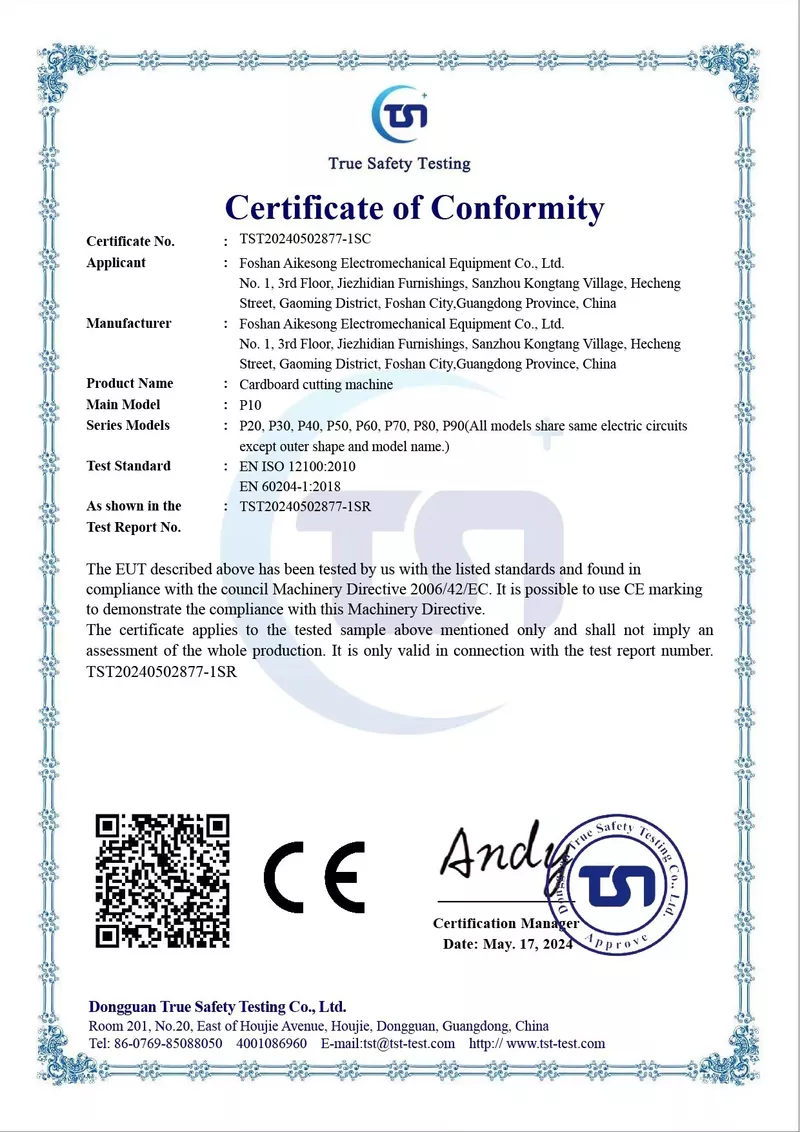
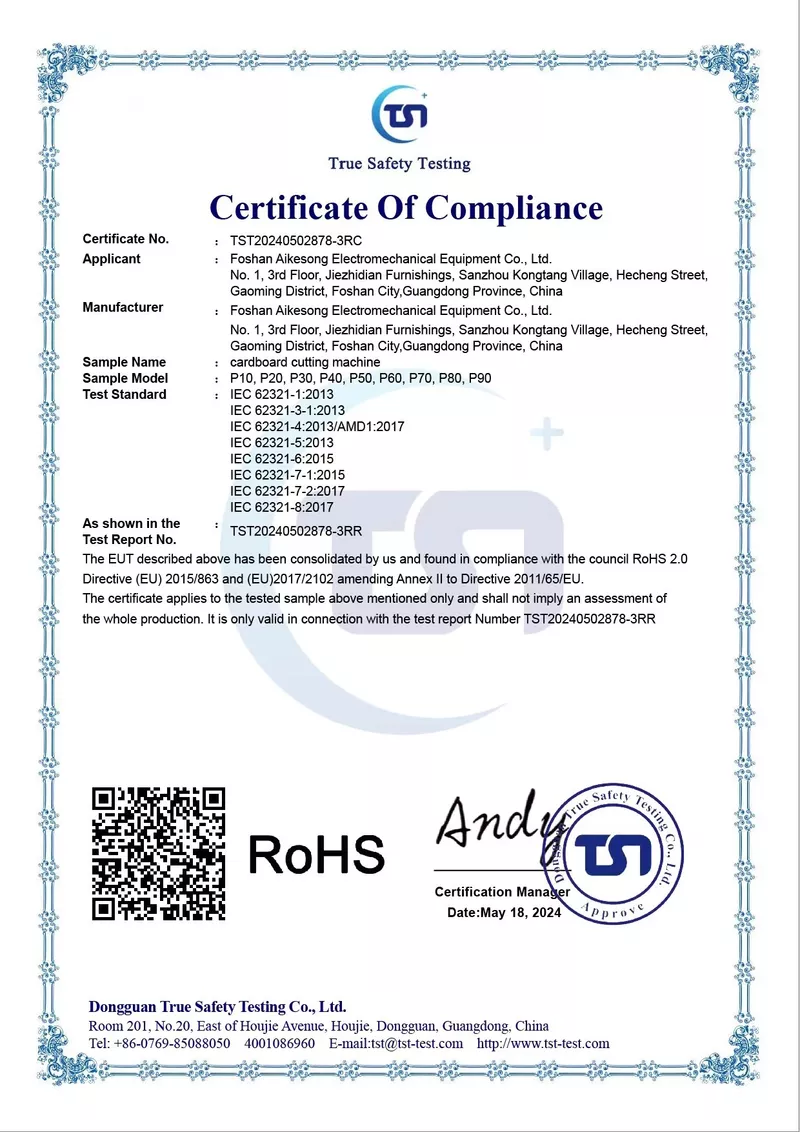
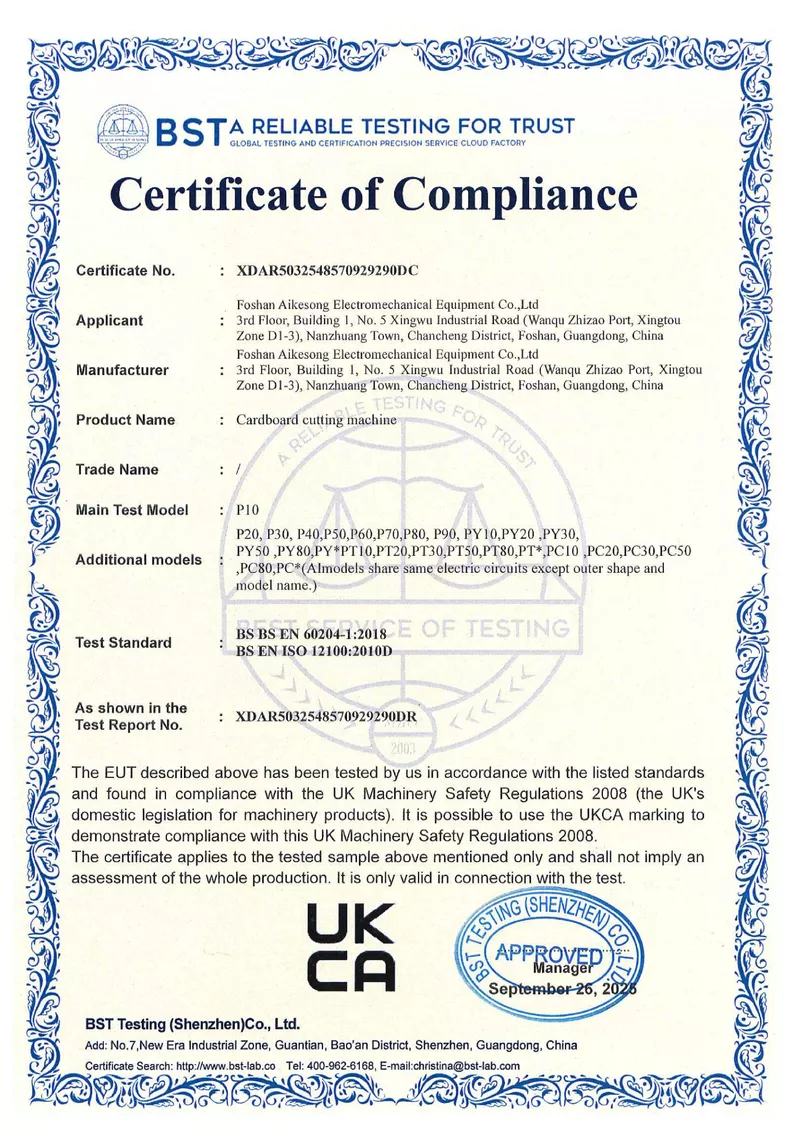
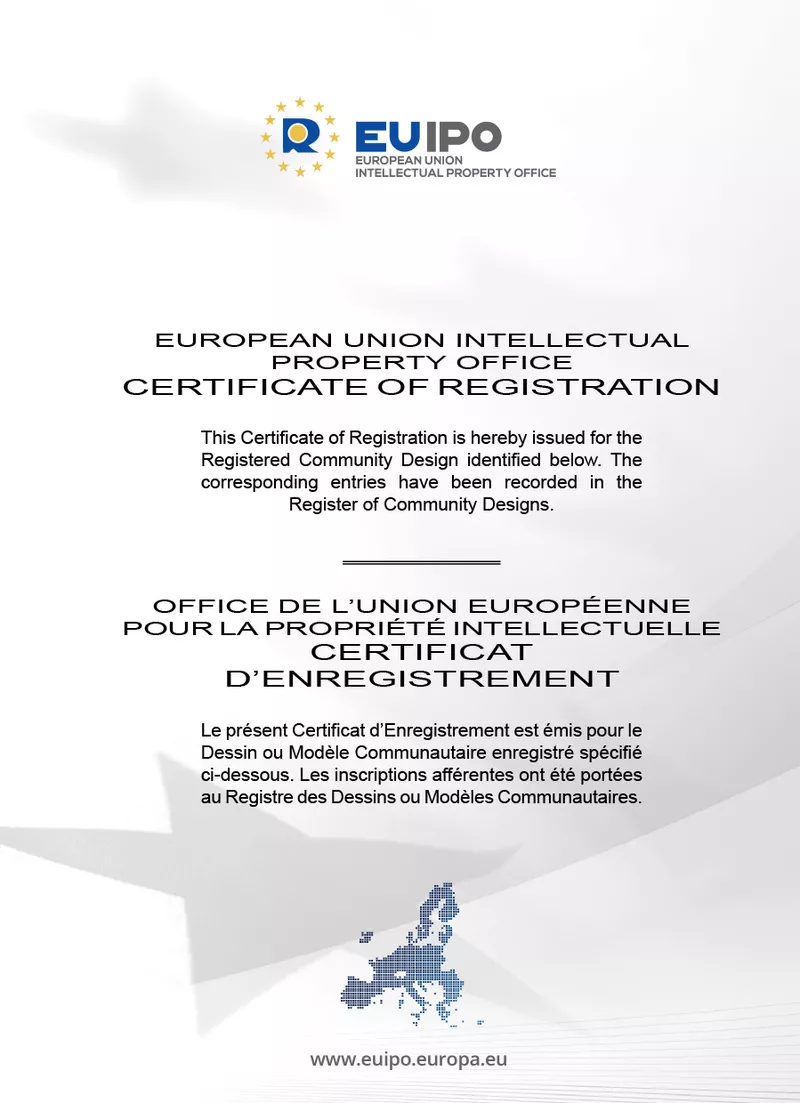
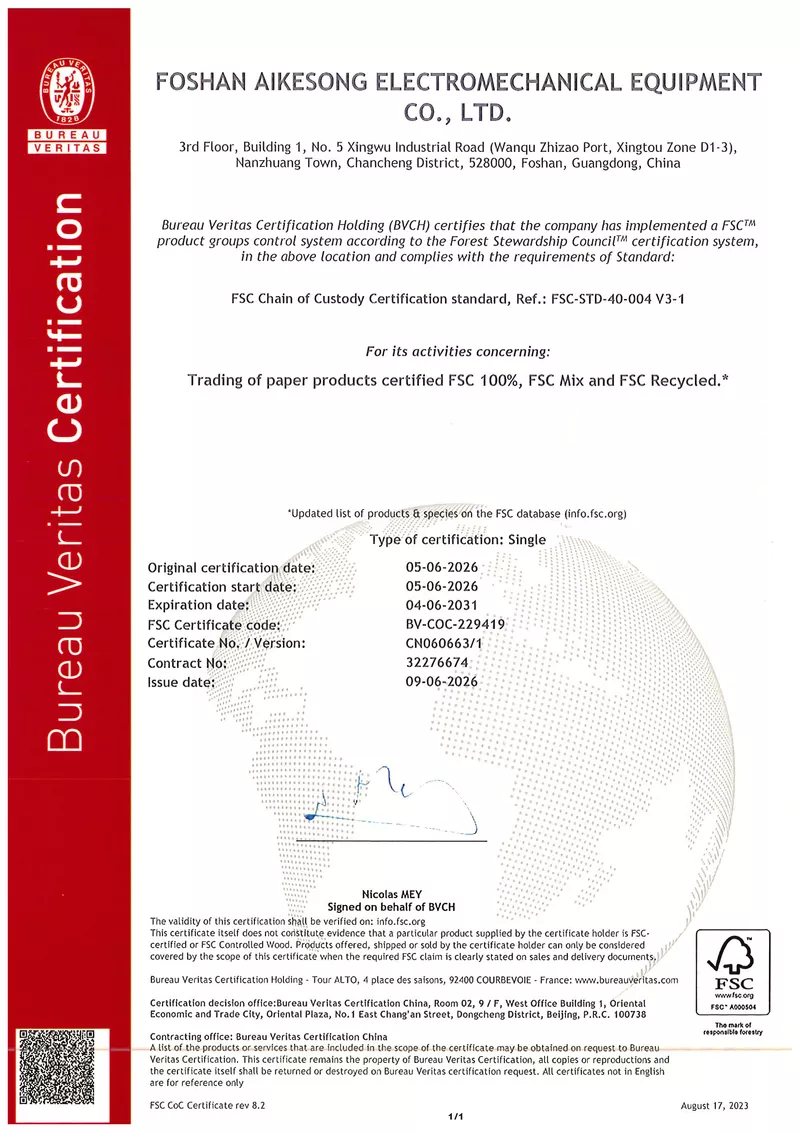
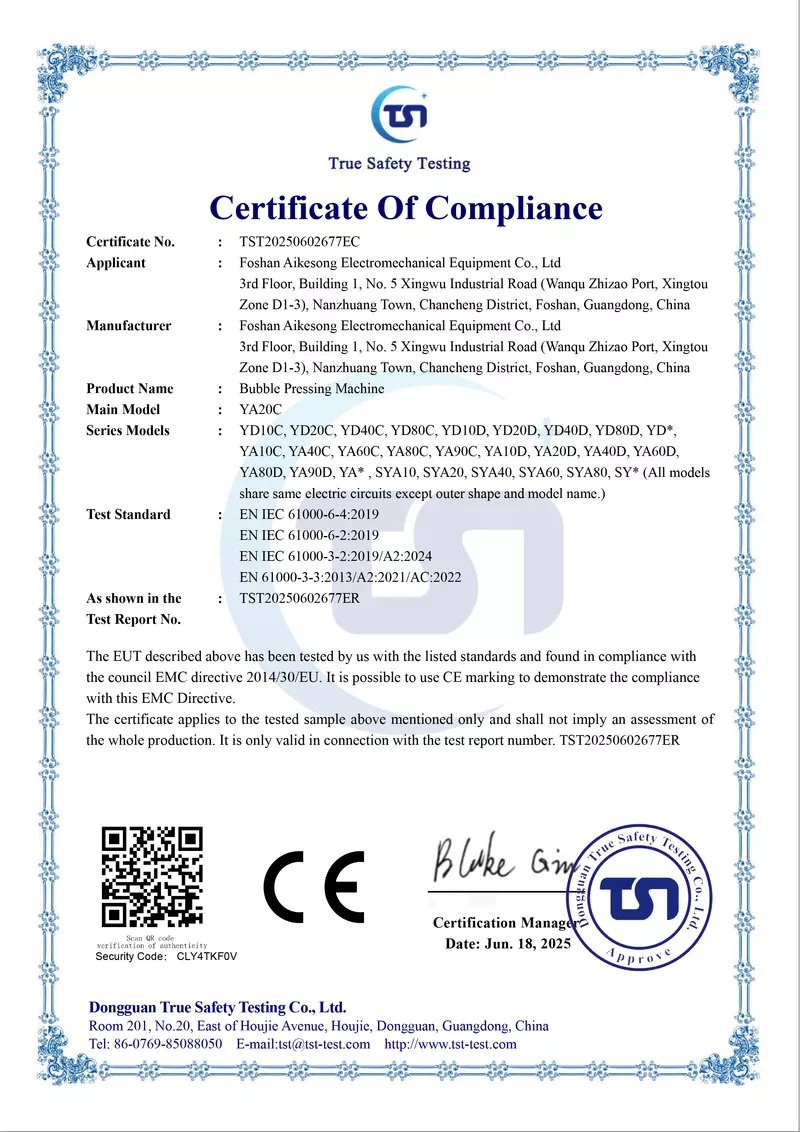
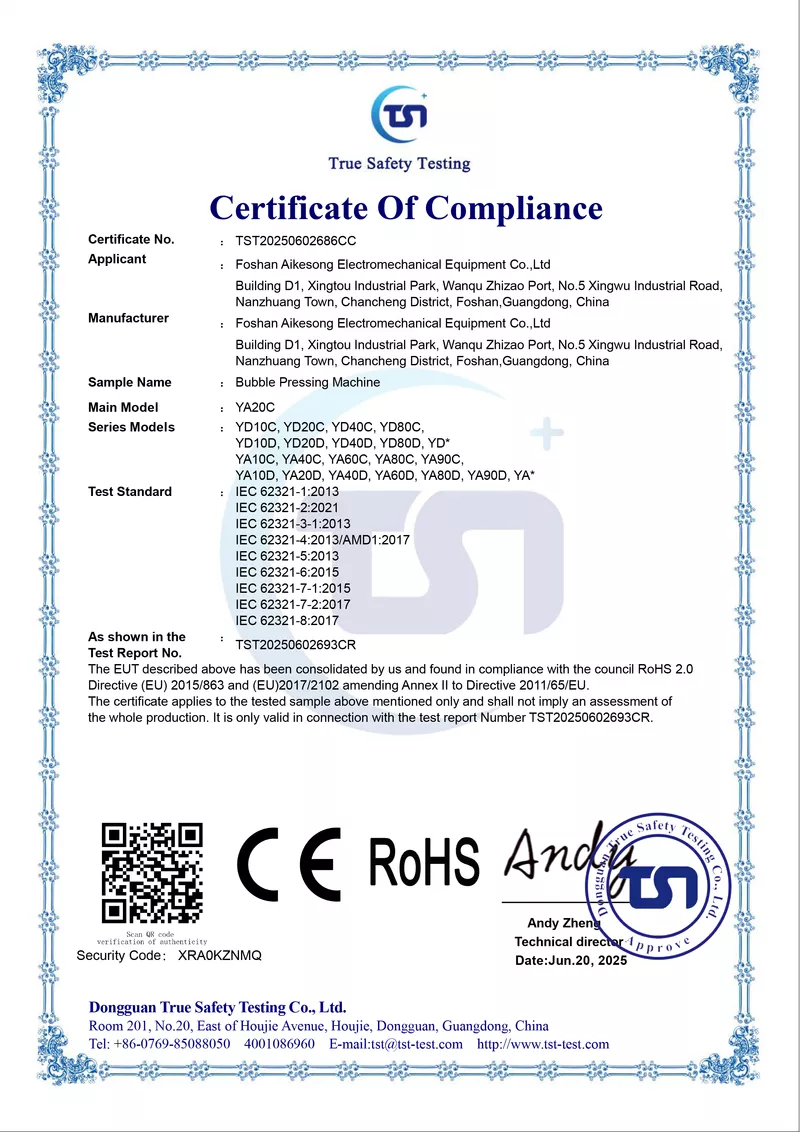
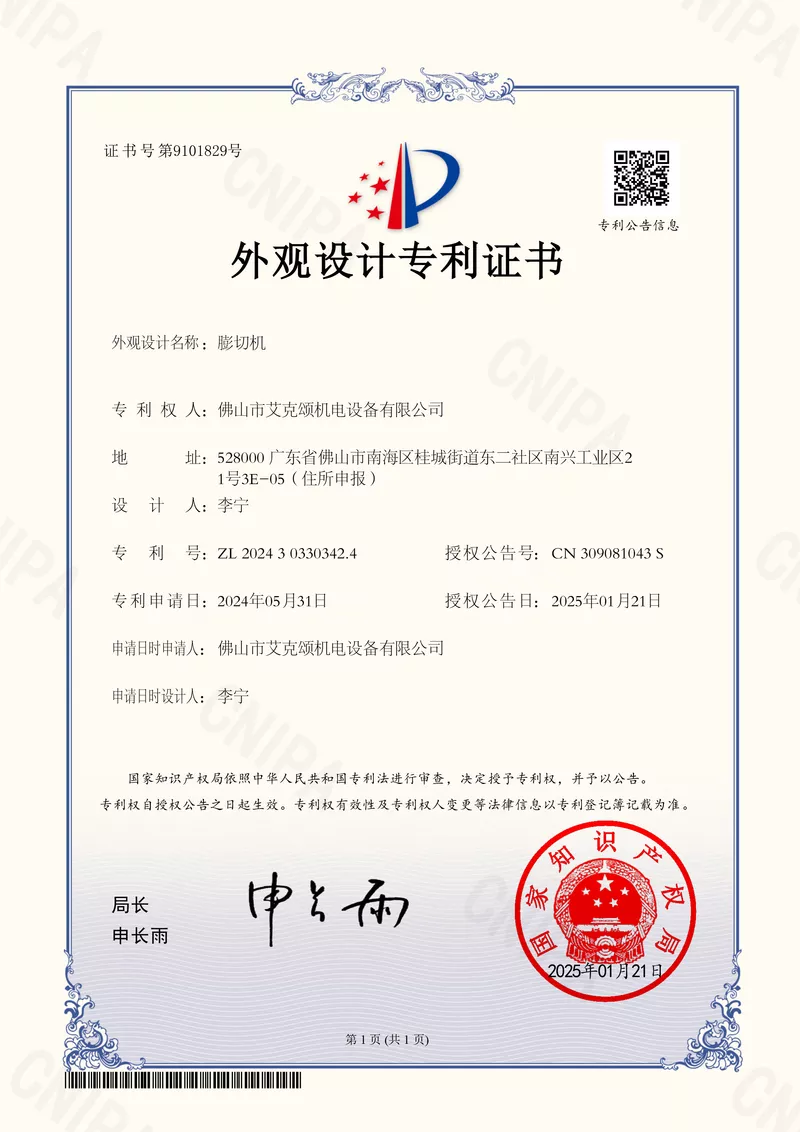
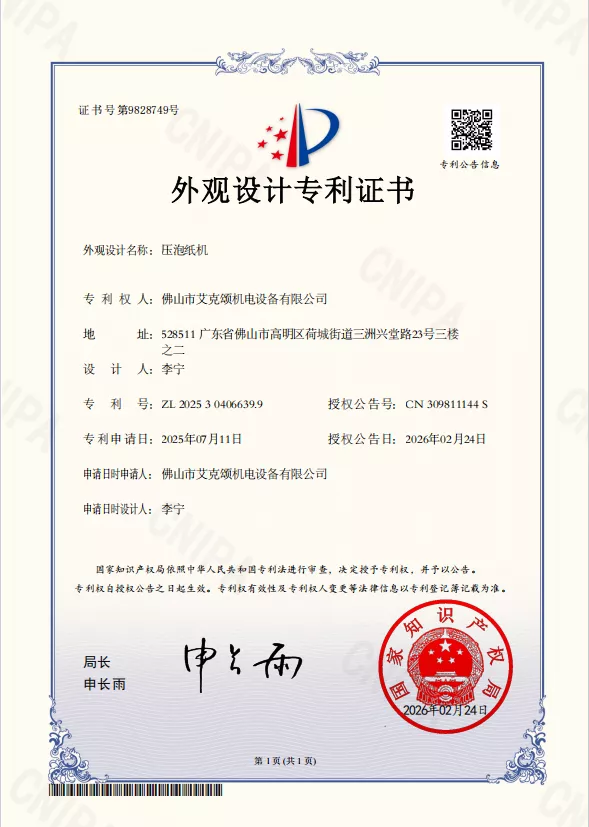
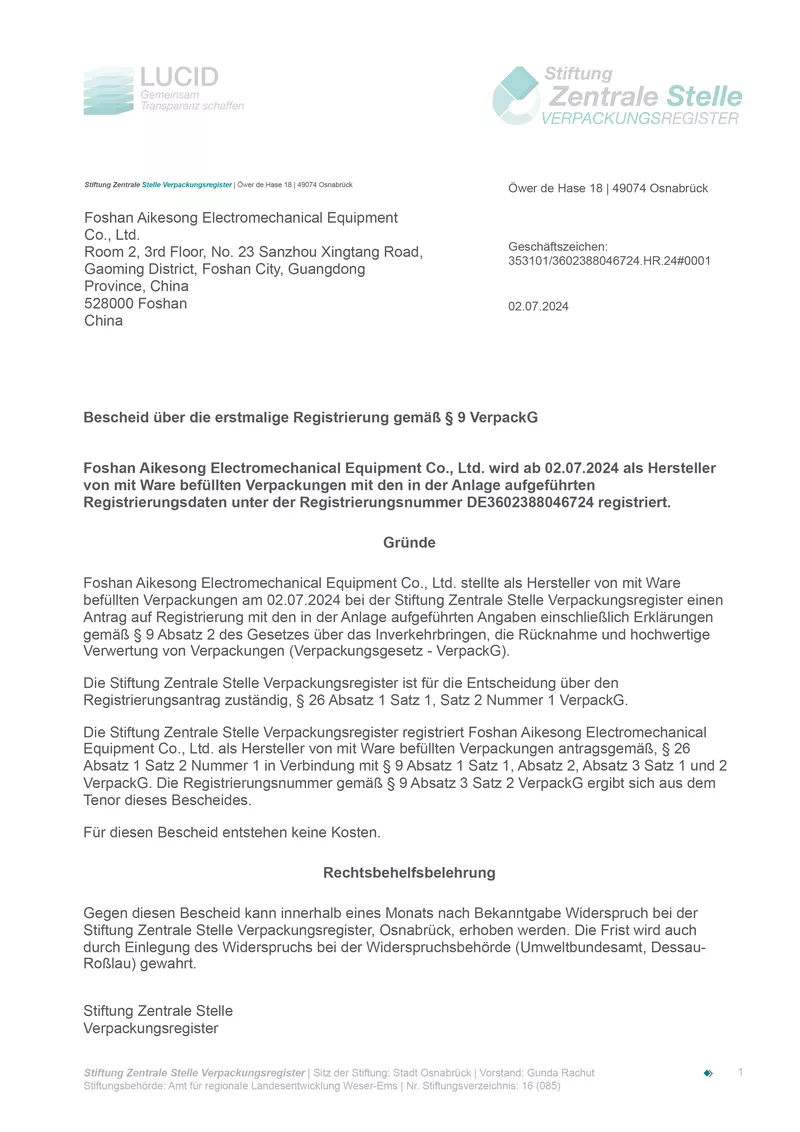
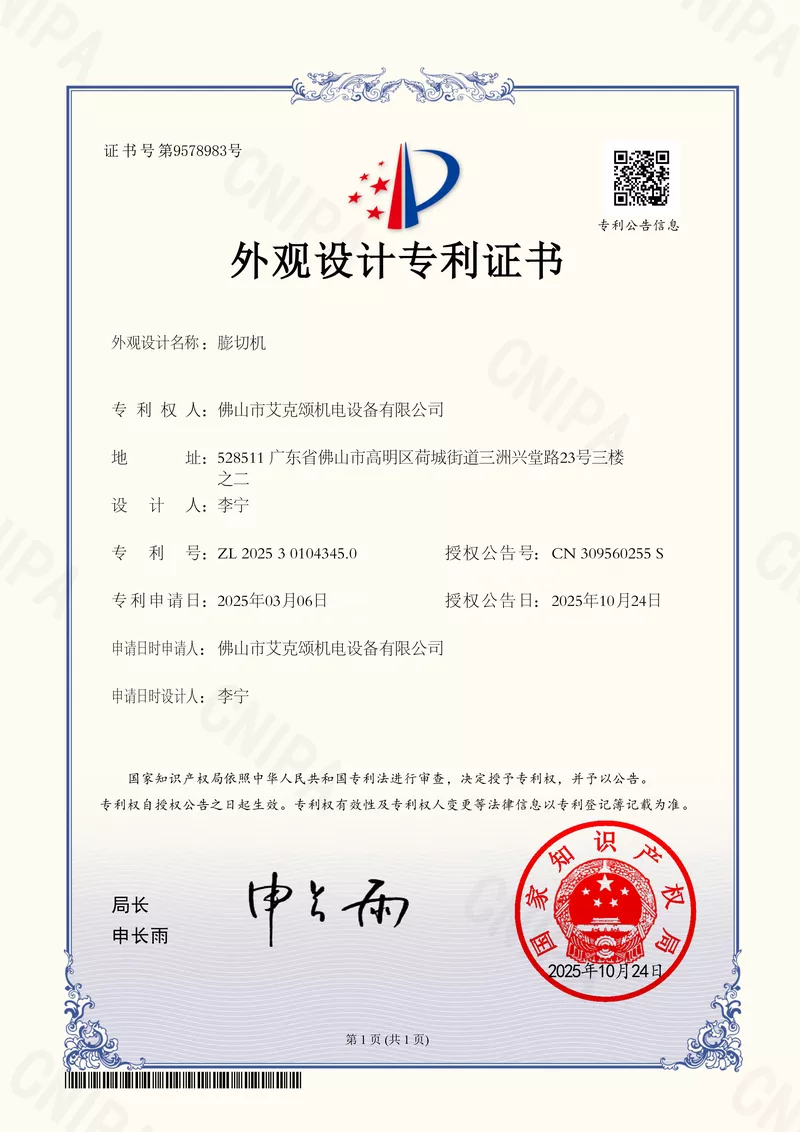
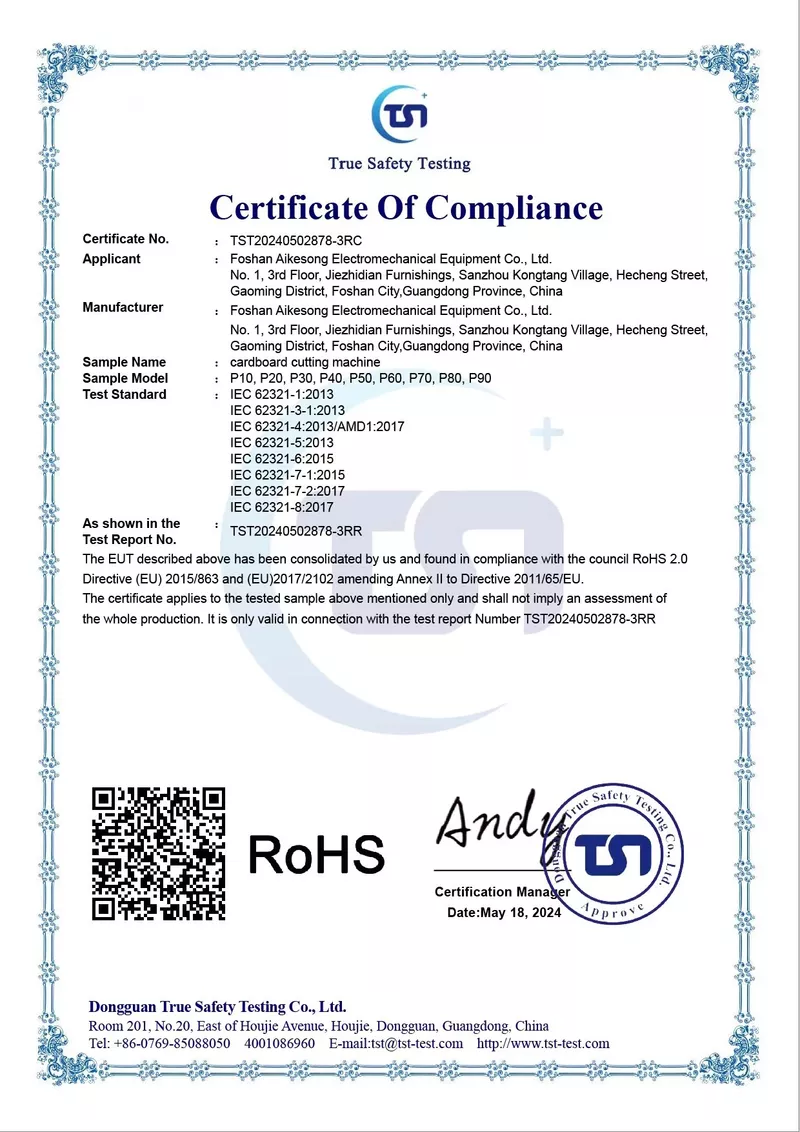
Certifications
Redefine Packaging Efficiency
Start with every machine