Paper Cushion Machine
Product Overview
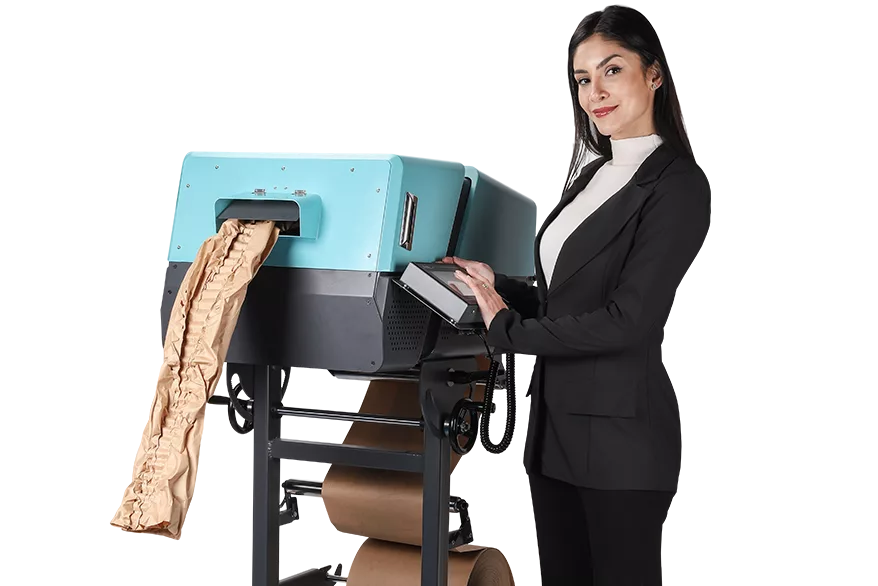
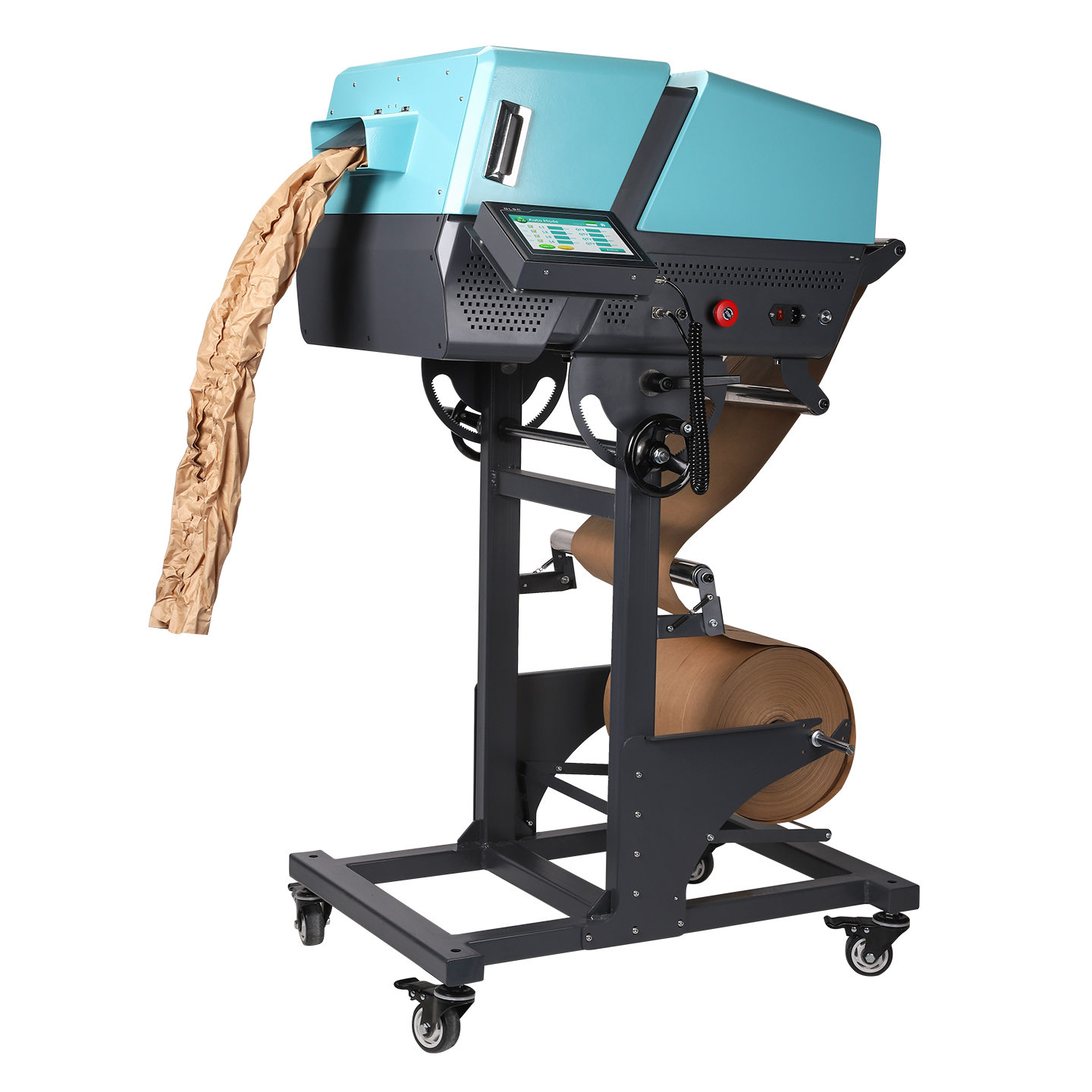
This paper cushion machine turns kraft paper rolls into cushioning paper pads for filling box voids, wrapping products, and providing inner support. It has a vertical design with casters at the base for easy movement — it can be used right next to the packing bench. Three operating modes are available: Auto Mode supports preset L1–L4 lengths and quantities with one-button start; Manual Mode gives independent control over feed, retract, and cutting; Pedal Mode keeps feeding while pressed and cuts automatically on release. Working speed 32 m/min, forming width 10cm±2cm, dual-opening cover design and triple safety alarms — easy maintenance and safe operation. Use kraft paper pads for filling and wrapping to cushion, absorb shock, and prevent collisions in transit, so items arrive safely.
HS Code: 8441309000

Applications
E-commerce shipping - Produce kraft paper pads on demand next to the packing bench, filling box voids
Logistics warehouses - Produce cushioning paper pads on site, reducing stockpiling
Offices - Small-batch shipping, make cushioning material anytime
Retail stores - Small footprint, movable, higher packing efficiency
Fragile item protection - Works with kraft paper pads for shock and drop protection, reducing transit damage
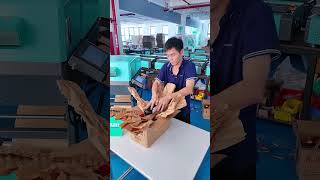
Product Video
Specifications
| Model | RA10 |
|---|---|
| Product name | Paper Cushion Machine |
| Voltage | Supports 110V or 220V |
| Working speed | 32 m/min |
| Power | 350W |
| Frequency | 50-60HZ |
| Forming width | 10cm±2cm |
| Suitable paper | Standard 32CM roll paper; 40CM roll paper accepted customized |
| Machine dimensions | 930mm*763mm*1378mm |
| Net weight | 130kg |
| Package dimensions | 1500mm*1000mm*1000mm |
| Gross weight | 150kg |
Paper Cushion Machine: A Practical Guide for Businesses
What Is a Paper Cushion Machine
A paper cushion machine is equipment that processes kraft paper rolls into cushioning paper pads. After the paper enters the machine, it is compressed and folded by internal gears to form a creased kraft paper pad, which comes out of the discharge port ready for packing.
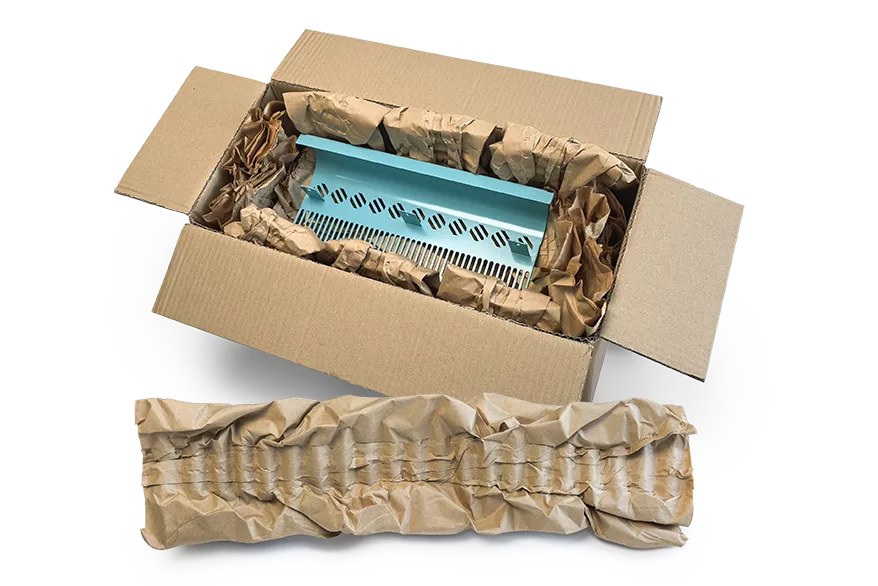
These pads can fill box voids, wrap products, and provide inner lining and support — cushioning, absorbing shock, and preventing collisions. Unlike plastic fill materials, kraft paper pads use recyclable kraft paper as raw material, are eco-friendly, and are compatible with existing paper recycling systems.
The machine has a vertical design with casters at the base, so it can move freely to where it is needed. Placed next to the packing bench, it produces as many pads as needed without stockpiling pre-made material in advance.
Why Use Cushioning Paper Pads in Packing
Have you ever had this happen: a customer receives several damaged items in a row. For the buyer, it is a poor experience; for the business, besides returns and compensation, some repeat customers are lost — these hidden costs are often higher than what is visible.
Using kraft paper pads for void fill and direct wrapping provides protection, shock absorption, and cushioning in transit, so items arrive safely. In transit, product protection is especially important — choosing the right cushioning material directly affects whether goods arrive intact.
The role of cushioning material is to deform under impact, giving the protected item more time to reduce its speed to zero, thereby reducing impact damage. Kraft paper pads use this principle: the paper is creased to form cushioning space that effectively absorbs vibration and impact.
Compared with plastic fill materials, kraft paper pads also offer several practical advantages: light material helps reduce transport costs; roll-fed paper is produced on demand, reducing material waste; 100% recyclable, in line with sustainable packaging. For logistics, e-commerce, and retail that ship every day, these advantages show up directly in cost and efficiency.

Three Operating Modes
Auto Mode: One-button start, automatic paper detection. Supports preset L1–L4 four lengths and quantities; the machine feeds paper automatically as preset, and the interface shows total count and paper status. Suitable for standardized packing processes that need fixed-spec pads.
Manual Mode: Manual control of feed, retract, and cutting, with independent setting of L1 length and quantity. Automatically stops and prompts when paper runs out. Suitable for scenarios needing flexible control and on-the-fly pad length adjustment.
Pedal Mode: Foot-pedal control — keep feeding while pressed, automatic cut on release. Both hands stay free for packing, ideal for stations that need continuous output and grab-as-you-pack.
Core Features
Compact vertical design: Overall dimensions 930mm*763mm*1378mm; the vertical structure takes up little space and can be placed next to the packing bench or in a warehouse corner.
Easy to move: Casters at the base allow free movement between workstations.
Efficient output: Working speed 32 m/min — fast enough to keep up with the packing rhythm.
Stable forming width: Forming width 10cm±2cm — uniform pad specs and predictable packing results.
Multiple modes: Auto, Manual, and Pedal modes cover different packing needs.
Smart, flexible design: Touchscreen settings — easily set output length and meters; anyone can operate quickly.
Industrial-grade solution: Industrial gears fully crease the kraft paper for filling and wrapping, ensuring items arrive safely.
Three-fold paper only: Suitable paper is three-fold paper — uniform specs and stable forming.
Eco-friendly material: Recyclable kraft paper supports eco-friendly packing and follows the plastic-reduction trend.
Wide application: Logistics, e-commerce, offices, and retail — suitable for various box filling and product protection needs.
Safety Design
Dual-opening cover: The machine uses a dual-opening cover structure for easy daily maintenance and debugging — open it to directly access the internal structure for easier inspection and cleaning.
Material-out alarm: When material runs out, the motor and cutter stop automatically, avoiding idling and misoperation.
Cover-open alarm: When the guard cover is open, the machine will not start and will prompt, avoiding accidental contact with internal structures during operation.
Low-material alarm: Early prompt when paper is about to run out, so operators can refill in time without interrupting the packing flow.
How Kraft Paper Pads Are Made
The kraft paper roll is loaded in the unwind position below the machine, and paper enters the machine from above. Internal gears compress and fold the paper, creasing flat kraft paper into a cushioning pad with compressible space. The formed pad is cut to the set length and comes out of the discharge port ready for packing.
Suitable paper is standard 32CM roll paper; 40CM roll paper is also accepted as a customization. For grammage, both 70g and 80g work. The machine supports three-fold paper only — uniform specs, more stable forming.
Why Choose Paper Packaging Materials — From a Business Perspective
Lower cost: Paper costs only half of air column film, and there is no need to stockpile large amounts of pre-inflated finished product — much less warehousing pressure.
Compliance trend: The EU PPWR and Amazon Frustration-Free Packaging both explicitly encourage paper-based cushioning. Switching to paper early avoids future policy risk.
Capacity advantage: At 32 m/min output speed, peak season can save 2-3 temporary workers; ROI period is about 6-8 months.
Brand boost: Eco labels can be printed directly on kraft paper, improving the unboxing experience and driving free social media brand exposure.
After-sales support: 1-on-1 after-sales service, plus product operation videos and R&D online video guidance to minimize downtime losses.
Cushioning Principle
For cushioning material to work, the key is that it deforms under impact. When a product is hit in transit, the cushioning material deforms, giving the protected item more time to reduce its speed to zero rather than taking the impact instantly.
The creased structure of kraft paper pads is exactly this principle. Once creased, the pads form compressible space inside; under impact, they absorb vibration and disperse force, reducing the risk of product damage. This is why cushioning paper pads are widely used in transport protection.
Where It Fits
The paper cushion machine suits logistics, e-commerce, offices, and retail. Box filling, product wrapping, inner support, and fragile item protection can all be done with pads produced on site by this machine.
The machine moves easily and can sit next to the packing bench to produce on demand — no need to stockpile material in advance or set aside extra storage space for pre-made fill material.
How to Choose
This paper cushion machine is model RA10, supports 110V or 220V voltage, power 350W, frequency 50-60HZ, working speed 32 m/min, forming width 10cm±2cm, suitable for standard 32CM roll paper and 40CM roll paper customization. Machine dimensions 930mm*763mm*1378mm, net weight 130kg, gross weight 150kg.
If your packing volume is moderate, space is limited, and you want to produce cushioning pads on demand on site, this machine is a good fit. For more specific configurations and pairing solutions, please contact us.
FAQ
What does a paper cushion machine do?
Why use cushioning paper pads in packing?
What operating modes are available?
Is operation difficult?
What paper is suitable?
What is the working speed?
What is the forming width?
What power supply is needed?
What safety features are there?
Is it easy to move?
Can the pads replace plastic fill materials?
From a business perspective, what are the benefits of using paper packaging materials?
What is the cushioning principle of paper pads?
Where does it fit best?
What are the machine dimensions and weight?
Can it be customized?
How is after-sales arranged?
Can you help recommend suitable configuration before purchase?
Related Products
Related Videos

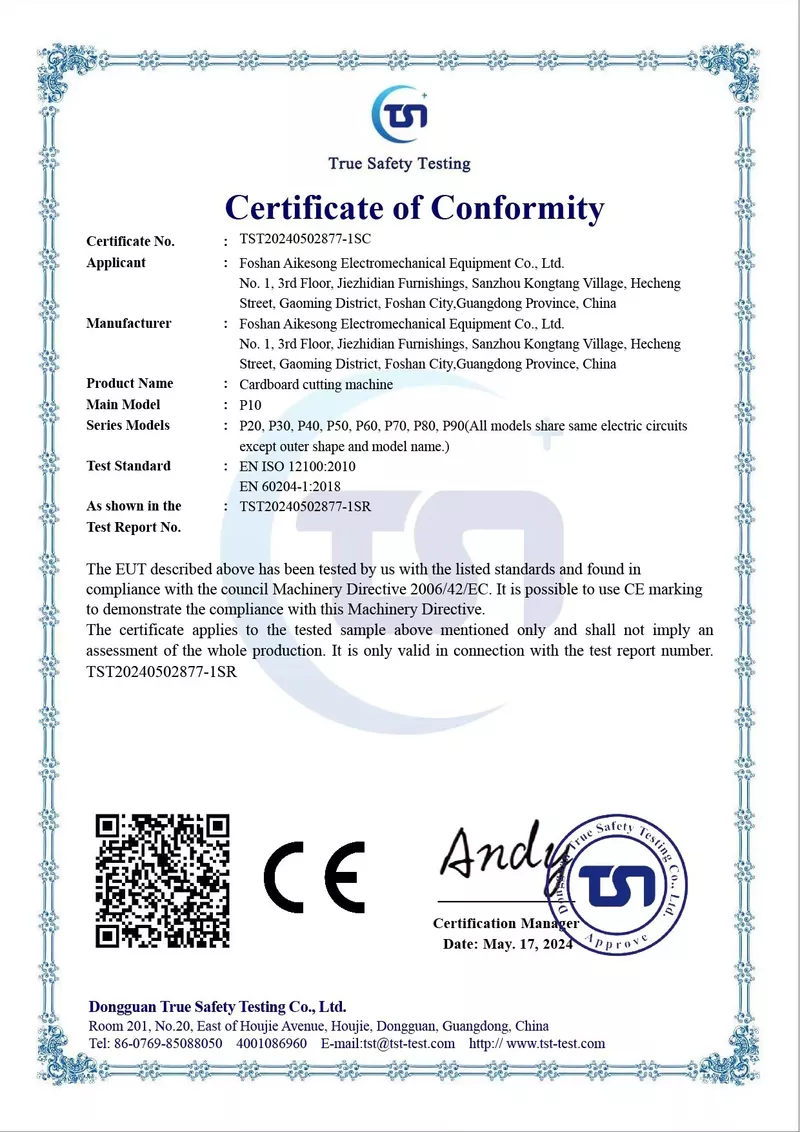
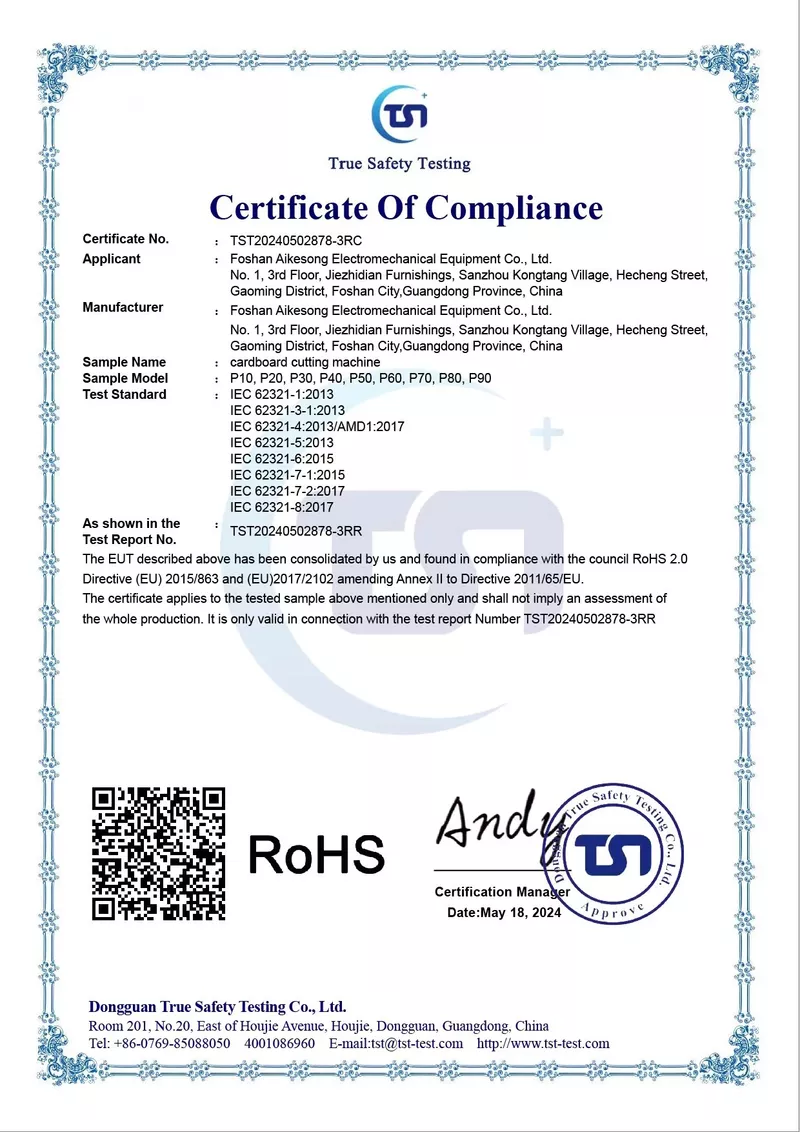
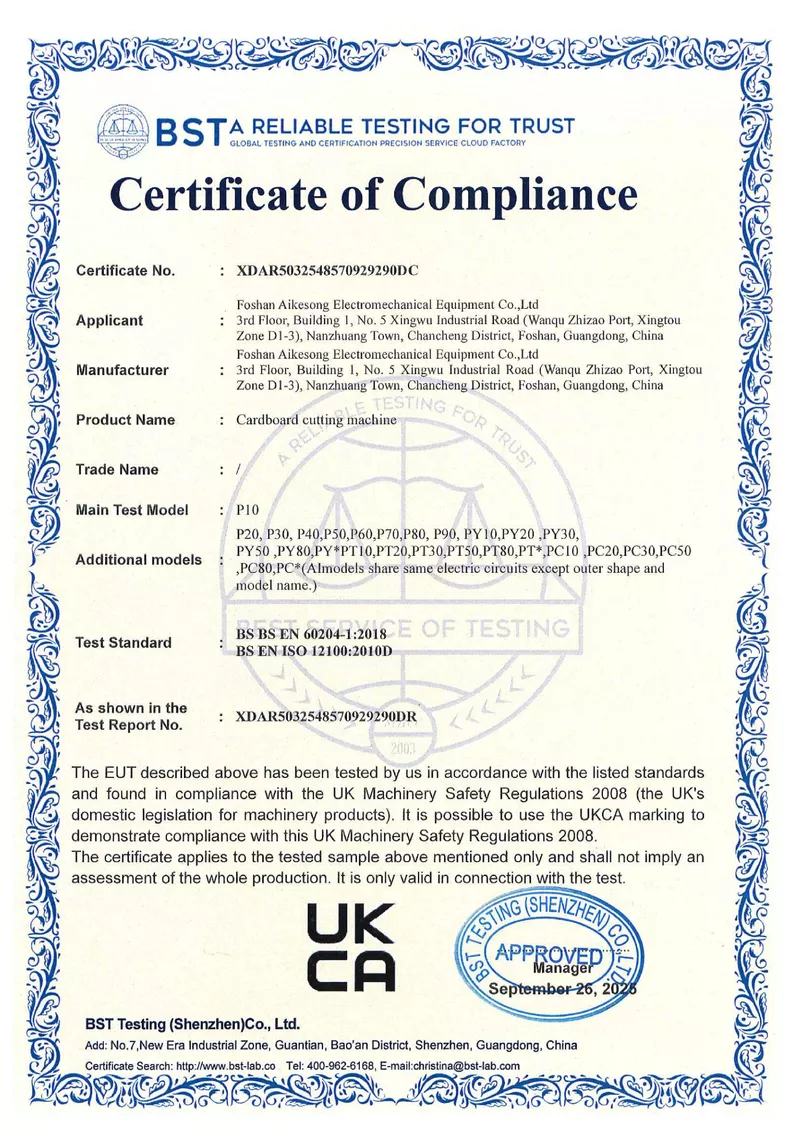
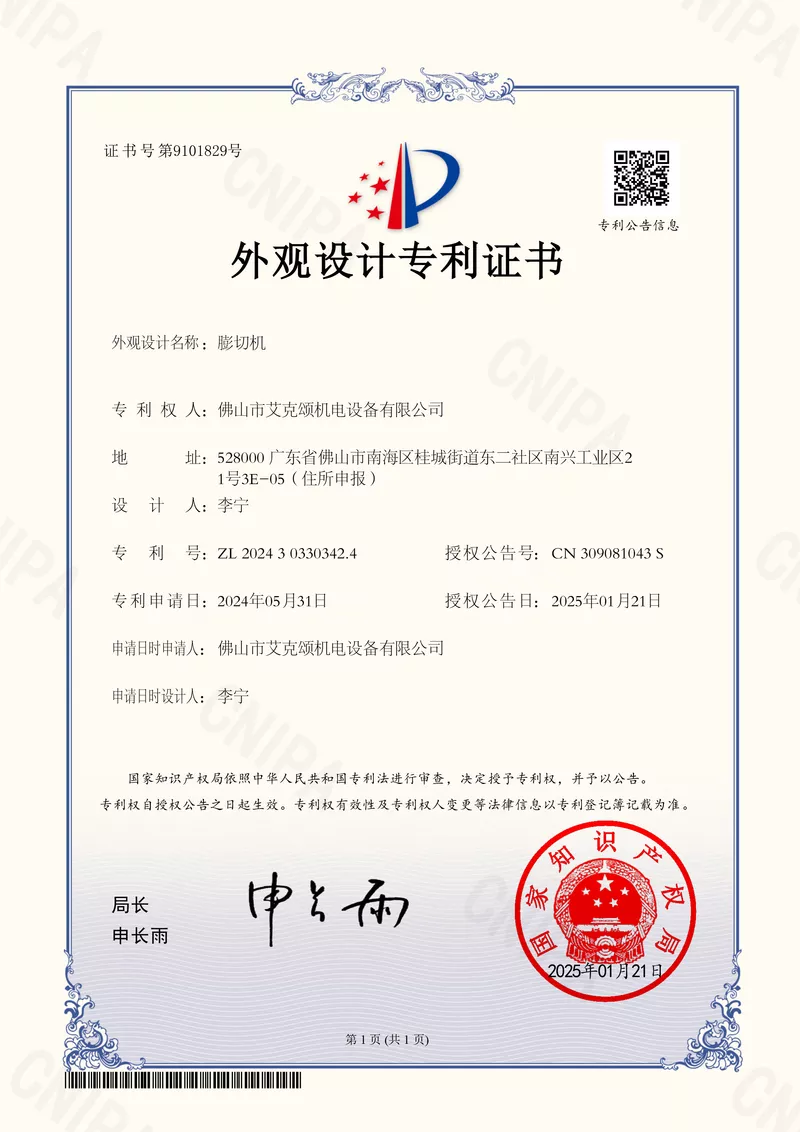
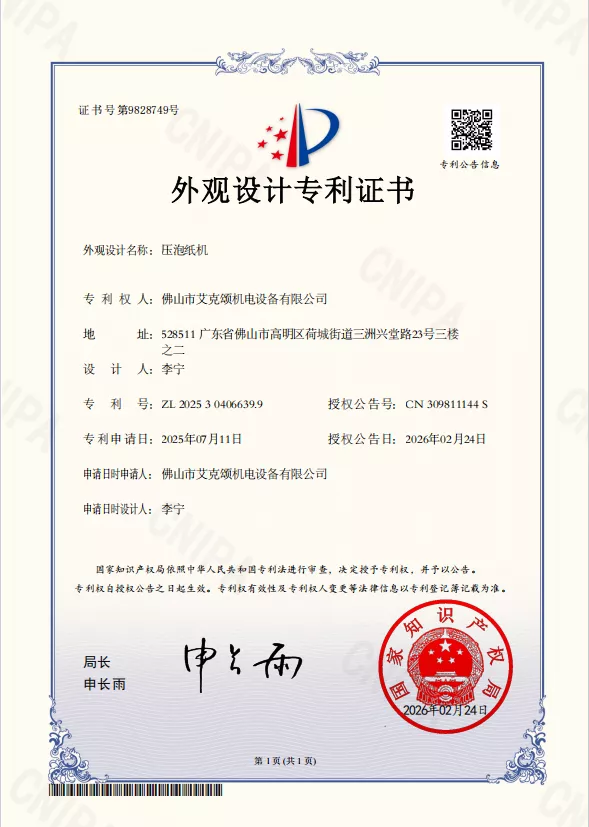
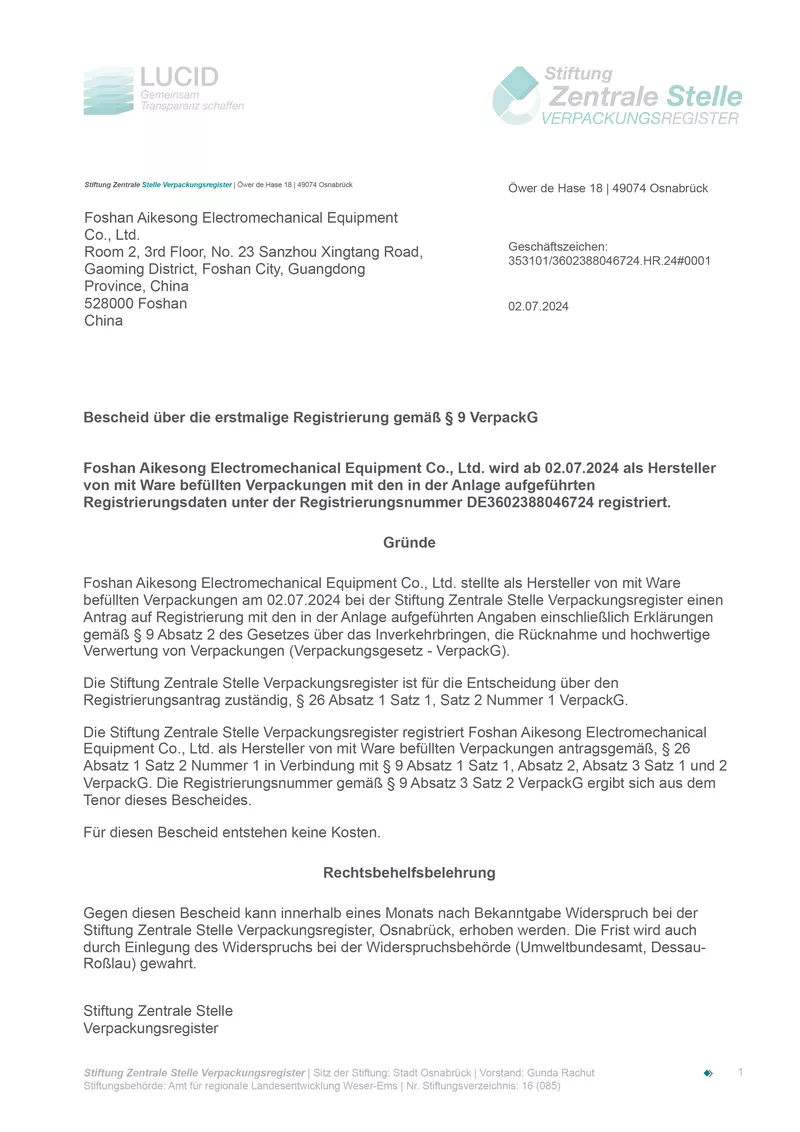
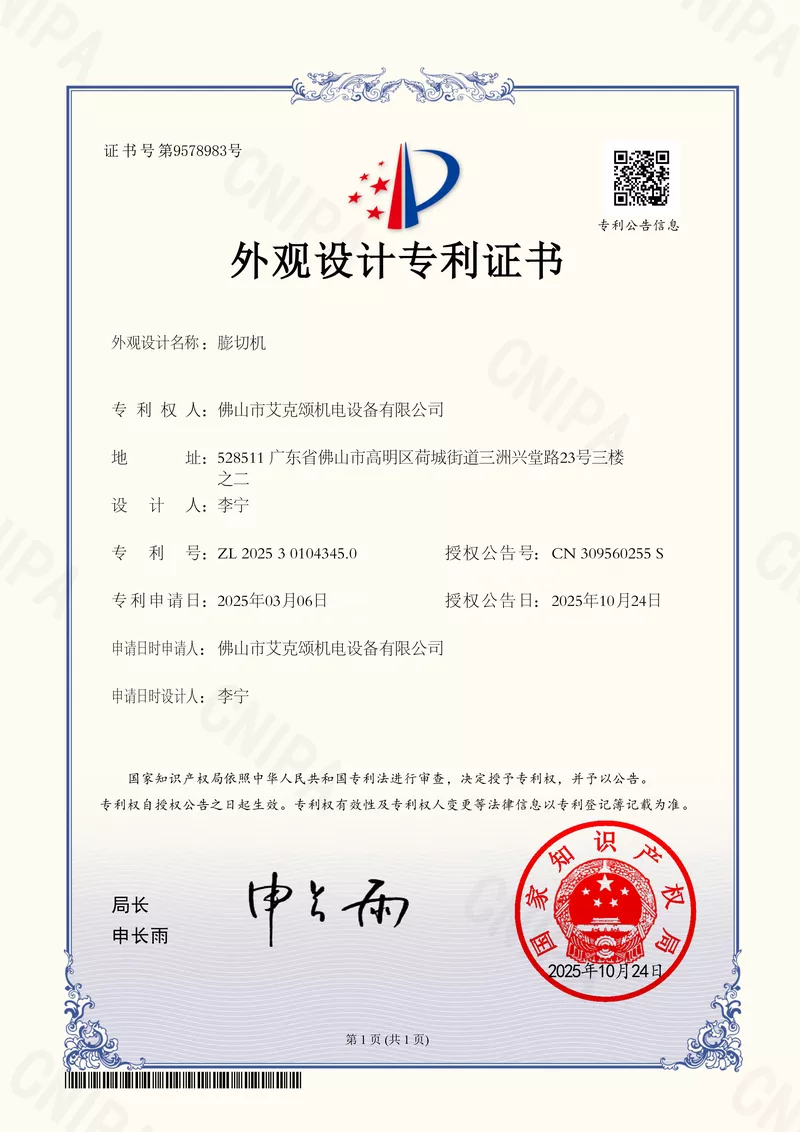
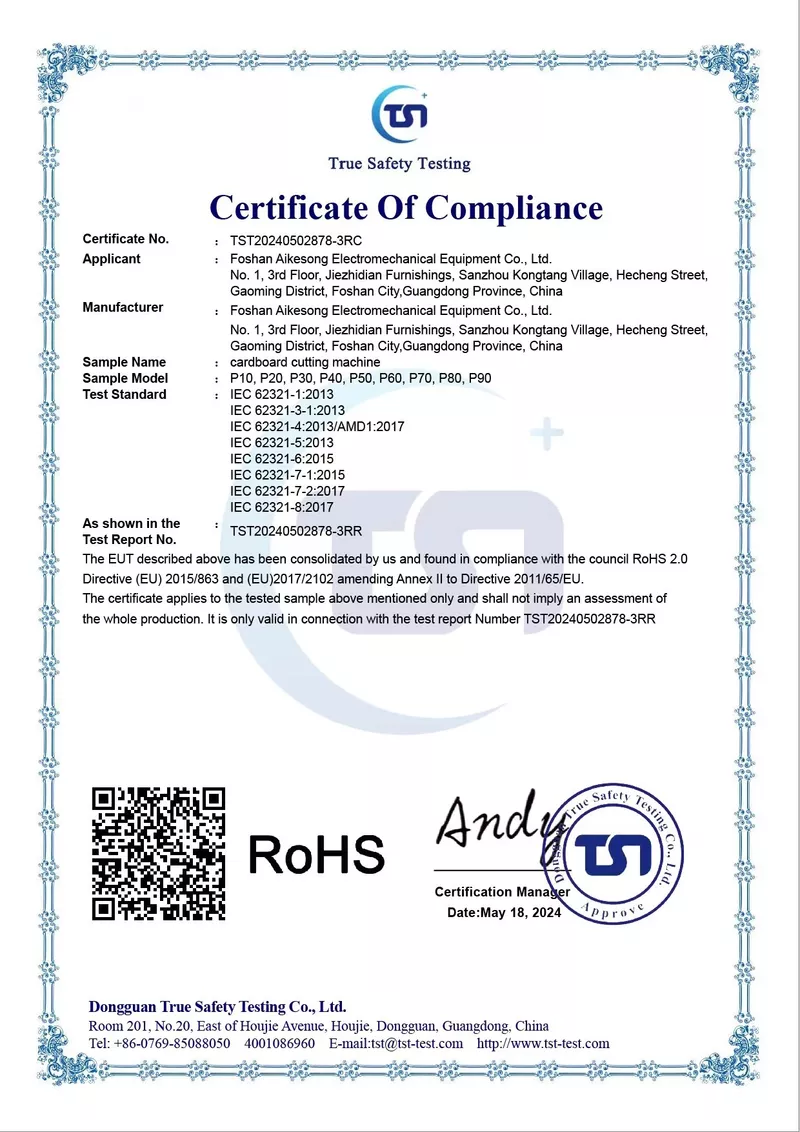
Certifications
Redefine Packaging Efficiency
Start with every machine